Early signs of liver disease: 5 symptoms you should never ignore
Source Entity
The Indian Express
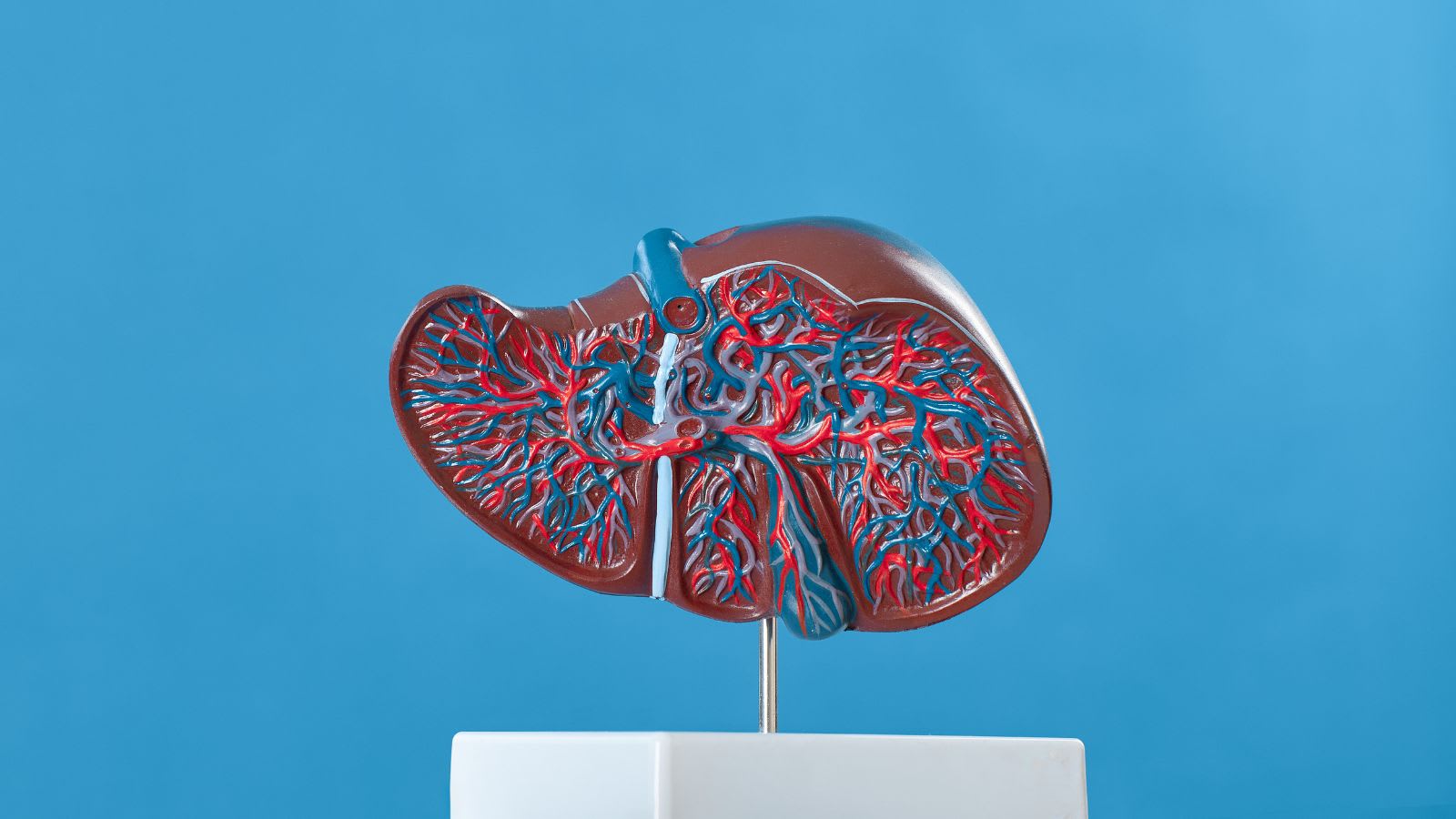
Medical experts, including Dr. Kunal Sood, warn that liver disease often develops silently, with chronic fatigue being a primary early warning sign. Early detection through liver function tests and ultrasounds is critical to prevent permanent organ damage, especially for high-risk individuals.
Understanding the Silent Progression of Liver Disease
The human liver is an extraordinary biological powerhouse, quietly performing hundreds of essential functions every day. From the critical processing of nutrients and the filtration of toxins to the production of essential proteins and the synthesis of bile for fat digestion, the liver is central to metabolic health. However, a dangerous characteristic of the liver is its resilience; it can continue to operate even when significantly damaged. This means that liver disorders often develop gradually, with symptoms that are so subtle they are frequently mistaken for common, everyday health complaints, making early awareness vital.
Analyzing Early Warning Signs and Fatigue
One of the most prominent early indicators highlighted by Dr. Kunal Sood is chronic fatigue—the feeling of being "tired all the time." While fatigue is a non-specific symptom, in the context of liver health, it is far more complex than simple exhaustion. It can be a manifestation of systemic inflammation, muscle loss, or anemia. Furthermore, liver dysfunction can alter brain signaling and disrupt sleep patterns, reducing a person's overall exercise tolerance. Because these symptoms are vague, patients often ignore them until the disease has progressed to a more advanced stage, emphasizing the need for clinical vigilance.
The Role of Bile and Digestive Health
Beyond systemic fatigue, the liver's role in the digestive system provides critical clues to its health. The liver is responsible for producing bile, a fluid essential for the breakdown and absorption of fats. When liver disease disrupts the production or flow of bile, normal digestion is impaired. This link between liver function and digestive efficiency serves as a physiological marker; when the body struggles to process fats, it often points to an underlying hepatic issue. Recognizing these digestive disruptions early can lead to a diagnosis before the liver sustains irreversible scarring.
Identifying High-Risk Populations
Not everyone carries the same risk profile for liver disorders. Certain demographics and lifestyle factors significantly increase susceptibility, necessitating more proactive screening. Individuals struggling with obesity or diabetes are at a higher risk, as are those with a family history of liver disorders. External factors such as excessive alcohol consumption, viral hepatitis, and the long-term use of specific medications also place immense stress on the liver. For these high-risk groups, the liver's ability to compensate for damage may be exhausted more quickly, making regular monitoring a medical necessity rather than an option.
Diagnostic Pathways and Preventative Care
To combat the "silent" nature of liver disease, medical professionals recommend specific diagnostic tools: liver function tests (LFTs) and abdominal ultrasounds. LFTs provide a biochemical snapshot of the liver's current state by measuring enzymes and proteins in the blood, while ultrasounds allow clinicians to visualize physical changes, such as fatty deposits or inflammation. By integrating these tests into regular check-ups, healthcare providers can detect abnormalities long before the patient feels severely ill, shifting the medical approach from reactive treatment to proactive management.
The Critical Window for Intervention
The ultimate goal of early detection is to intervene during the window where damage is still reversible. As noted by experts like Dr. Reddy, identifying and treating the underlying cause of liver dysfunction early can halt the progression of the disease. Whether the cause is lifestyle-related or viral, early intervention allows for targeted treatment and necessary lifestyle changes that can improve overall liver function. This proactive approach is the only way to prevent the transition from treatable liver inflammation to permanent, irreversible liver damage or failure.
Summary
Liver disease is a stealthy condition that requires a high index of suspicion, especially in individuals with risk factors like diabetes or alcohol use. By recognizing symptoms such as chronic fatigue and digestive issues, and utilizing diagnostic tools like ultrasounds and blood tests, patients can seek help while the condition is still manageable. Early detection is the definitive factor in preventing permanent organ damage and ensuring long-term health.