‘First time I’ve seen it’: England pacers cut ball in half after 5-fers vs Pakistan
Source Entity
The Indian Express
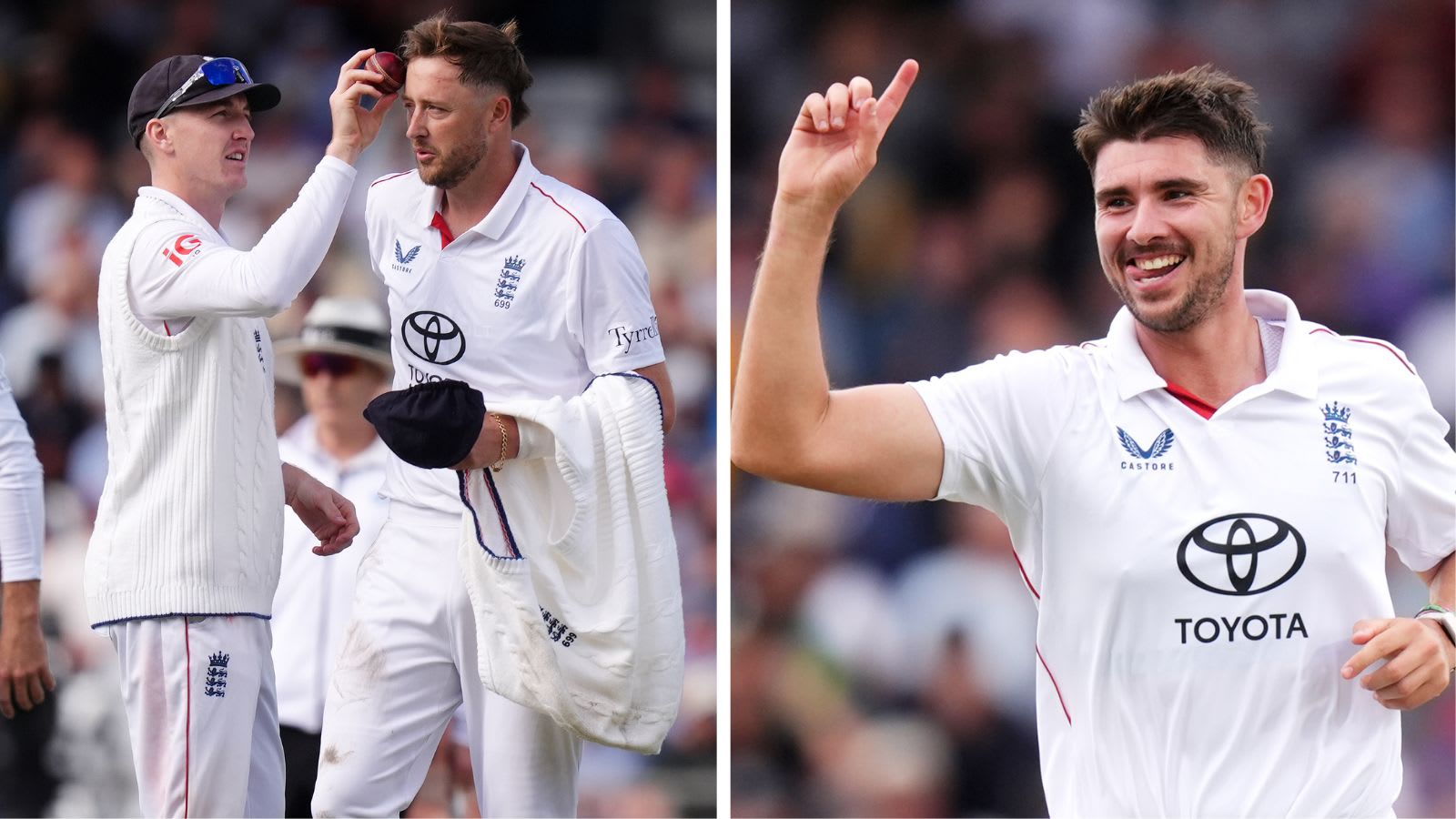
England pacers Ollie Robinson and Josh Tongue took five-wicket hauls against Pakistan at Headingley, leading to a unique compromise. To honor the tradition of keeping the match ball, the pair decided to cut the ball in half to share the souvenir.
A Unique Resolution to a Classic Cricket Tradition
In a rare and curious occurrence at Headingley, England seamers Ollie Robinson and Josh Tongue found themselves in a peculiar dilemma after a dominant display against Pakistan. Both bowlers achieved the coveted milestone of a five-wicket haul in the same Test match innings, with Robinson returning figures of 5-51 and Tongue claiming 5-46. This performance not only dismantled the Pakistani batting lineup but also triggered a classic cricketing conundrum: who is entitled to the match ball?
The Significance of the Five-Wicket Haul
In the sport of cricket, a five-wicket haul is considered one of the highest individual honors for a bowler. Traditionally, the bowler who achieves this feat is entitled to keep the match ball as a commemorative souvenir of their achievement. This tradition serves as a tangible record of a career-defining performance. However, the rules of the game do not explicitly account for scenarios where multiple bowlers achieve this feat simultaneously within the same innings, leaving the players to navigate the situation through mutual agreement.
Ingenuity at Headingley
Facing the prospect of a friendly dispute over the singular ball, Robinson and Tongue opted for a pragmatic and highly unorthodox solution: they physically split the Dukes ball in half. This decision, while unconventional, speaks to the camaraderie within the English dressing room and the lighthearted approach the players took toward their shared success. By dividing the ball, they ensured that both bowlers could retain a physical piece of their spectacular performance, effectively creating a dual-trophy out of a single piece of equipment.
Technical Implications and Performance
Beyond the novelty of the split ball, the performance itself highlights the potency of the English pace attack in home conditions. The Dukes ball, known for its prominent seam, is often conducive to swing and seam movement, which both Robinson and Tongue exploited to great effect. Their ability to consistently challenge the Pakistani batting order underscores the depth of England's current bowling stocks and their ability to extract maximum utility from the match ball before it was ceremoniously retired.
Future Trends in Cricket Souvenirs
This incident may well become a piece of cricket folklore, potentially influencing how future teams handle similar situations. While it is unlikely that splitting balls will become a standard practice, the event serves as a reminder of the evolving nature of sporting traditions. As players continue to push the boundaries of individual performance, the physical artifacts of those achievements—like the match ball—remain central to the narrative of the game, even if they require creative measures to satisfy multiple claimants.
Conclusion
The decision by Robinson and Tongue to split the ball is a testament to the unpredictable and often whimsical nature of cricket. It transforms a standard statistical achievement into a shared memory, ensuring that both bowlers are recognized equally for their contributions to the team's success. As the sport continues to balance its deep-rooted traditions with the realities of modern play, this moment at Headingley will be remembered as a quirky yet perfectly fitting resolution to a historic bowling display.