Jeff Bezos makes sports debut with consortium taking nearly 40% of Liverpool
Source Entity
TOI TECH DESK
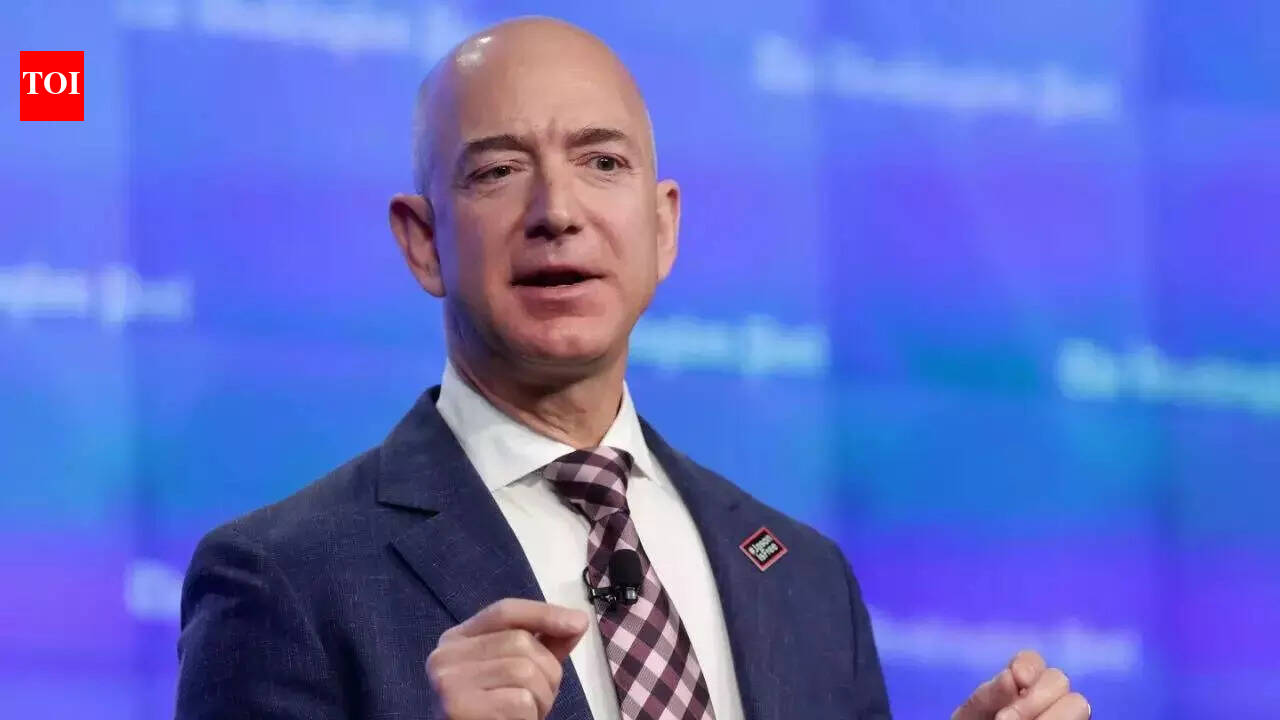
Jeff Bezos has officially entered the sports industry by joining a consortium that acquired a 40% stake in Liverpool Football Club. While Fenway Sports Group retains majority control, the deal includes an option for the group to acquire a controlling interest within the next year.
A New Era for Anfield: The Bezos Investment
Jeff Bezos, the founder of Amazon, has officially marked his entry into the global sports landscape by joining the consortium 1892 Holdings. This group has successfully secured a significant 40% minority stake in the storied Premier League club, Liverpool Football Club. This move signals a major shift in the ownership dynamics of one of the world's most successful sporting institutions, bringing high-profile technology and finance titans into the fold of English football.
The Composition of 1892 Holdings
The consortium behind this acquisition is a powerhouse of diverse expertise. Led by former Queens Park Rangers co-owner Amit Bhatia, the group includes not only Jeff Bezos but also Eduardo Saverin’s family office and the influential Mittal Family Trusts. This coalition represents a strategic convergence of capital and global business acumen, suggesting that the investors are looking to leverage their combined network to elevate Liverpool’s brand on an even larger international stage.
Operational Governance and FSG's Role
Despite the substantial capital injection, the operational governance of Liverpool Football Club remains firmly in the hands of Fenway Sports Group (FSG). As the majority owner, FSG continues to dictate the day-to-day management and strategic direction of the club. This arrangement provides a layer of stability for the fans and staff, ensuring that the transition into a multi-ownership structure does not disrupt the club's current operational success or its long-term vision.
Strategic Options and Future Control
One of the most compelling aspects of this agreement is the provision that allows the consortium to potentially acquire a controlling stake in Liverpool within the next 12 months. This clause acts as a performance-linked pathway, potentially shifting the balance of power if specific conditions or milestones are met. Such a structure is common in large-scale corporate investments, allowing the new investors to assess the club's trajectory before committing to full, long-term control.
Implications for Global Football
This investment highlights the increasing trend of technology moguls and private equity groups seeking to diversify their portfolios through elite sports assets. As Premier League clubs become global media and lifestyle brands, the involvement of figures like Bezos may lead to increased investment in digital infrastructure, global marketing, and data-driven scouting. The integration of such high-level expertise could redefine how Liverpool approaches commercial growth and fan engagement in the coming decade.
Conclusion: A Calculated Growth Strategy
Ultimately, this deal represents a calculated expansion for all parties involved. By maintaining FSG's operational leadership while providing a clear roadmap for potential future control, the agreement balances the need for continuity with the ambition for growth. As the sports industry continues to converge with the tech and finance sectors, Liverpool Football Club stands at the center of a transformative shift that could set new standards for club ownership and institutional development.