9 eye makeup mistakes that may damage your eyes: From tightlining to sharing mascara
Source Entity
Latest News: Todays Latest News Headlines from India & World | Hindustan Times | Hindustan Times
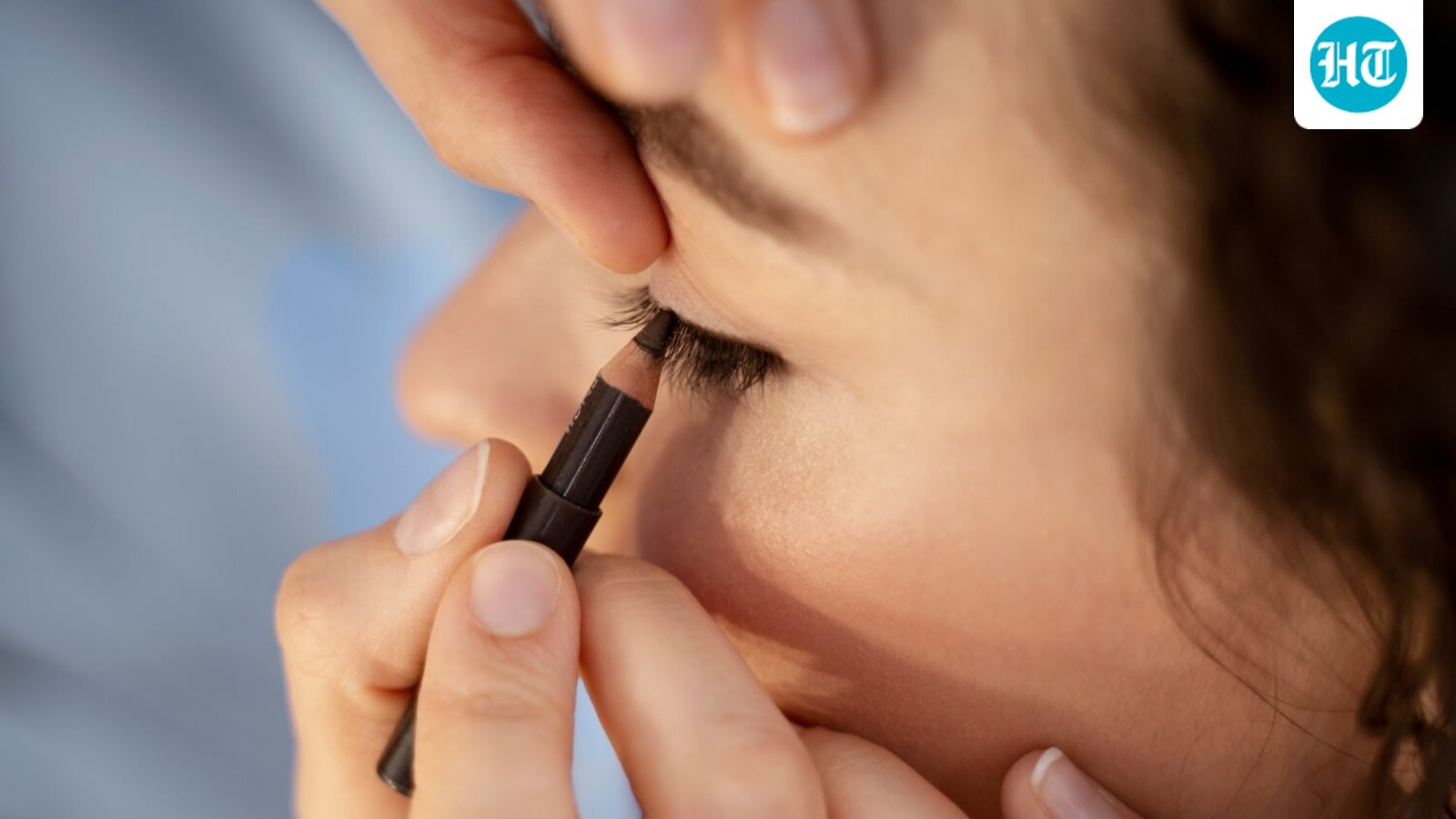
Expert ophthalmologists warn that poor eye makeup hygiene and incorrect application techniques can lead to significant eye infections and irritation. Maintaining strict product cleanliness and avoiding risky habits like tightlining are essential for long-term eye health.
The Hidden Dangers of Cosmetic Routines
While eye makeup—ranging from dramatic smoky eyes to precise cat-eye wings—remains a staple of modern beauty standards, its application carries significant ocular risks that are often overlooked. The delicate nature of the eyes makes them particularly susceptible to external contaminants and physical trauma. As highlighted by Dr. Janhvi Mehta, a consultant in ophthalmology at Jaslok Hospital and Research Centre, Mumbai, the pursuit of aesthetic enhancement must be balanced with rigorous hygiene standards to prevent clinical complications.
The Intersection of Aesthetics and Ocular Health
Cosmetic products applied near the eye are not merely superficial; they interact with the tear film and the conjunctiva. Incorrect application techniques or the use of expired products can introduce bacteria, fungi, or chemical irritants directly into the eye. These substances can disrupt the natural protective barriers of the ocular surface, leading to conditions such as conjunctivitis, blepharitis, or allergic reactions. When the integrity of the eye's delicate structures is compromised by poor hygiene, the risk of inflammation increases significantly.
Risky Habits: Tightlining and Sharing
Among the most common mistakes identified are practices like 'tightlining'—applying eyeliner to the inner lash line—which places cosmetic pigments in direct contact with the meibomian glands. These glands are responsible for producing the oil that keeps tears from evaporating. When these glands are blocked by makeup residue, it can lead to dry eye syndrome and chronic discomfort. Furthermore, the practice of sharing mascara or other eye products is a primary vector for cross-contamination, allowing pathogens to spread between individuals, which can trigger acute infections.
The Importance of Product Longevity
Many consumers overlook the expiration dates of their cosmetics, viewing them as permanent fixtures in their vanity kits. However, liquid-based eye makeup, such as mascara and liquid liners, provides a moist environment that is conducive to bacterial growth once the seal is broken. Using products beyond their recommended shelf life significantly elevates the risk of introducing pathogens into the eye. Establishing a routine that involves regular product replacement is a crucial step in proactive ocular care.
Clinical Perspectives on Prevention
Expert guidance emphasizes that preventative measures are far more effective than treating established infections. Beyond hygiene, the physical application of makeup must be handled with care to avoid accidental abrasions to the cornea. Should foreign particles or makeup debris enter the eye, prompt and appropriate first aid is essential to prevent secondary damage. Understanding the anatomy of the eye and respecting its sensitivity is the best defense against the adverse effects of daily cosmetic use.
Conclusion: A Balanced Approach to Beauty
Ultimately, eye health should not be sacrificed for the sake of beauty. By adopting safer application habits—such as avoiding the waterline, refraining from sharing products, and strictly adhering to expiration guidelines—individuals can continue to enjoy their makeup routines while minimizing health risks. Prioritizing hygiene ensures that the eyes remain healthy, comfortable, and free from preventable infections or long-term damage.
Verification Required?