Centre claims external conspiracy whenever it is in crisis: Farooq Abdullah
Source Entity
India Latest News: Top National Headlines Today & Breaking News | The Hindu
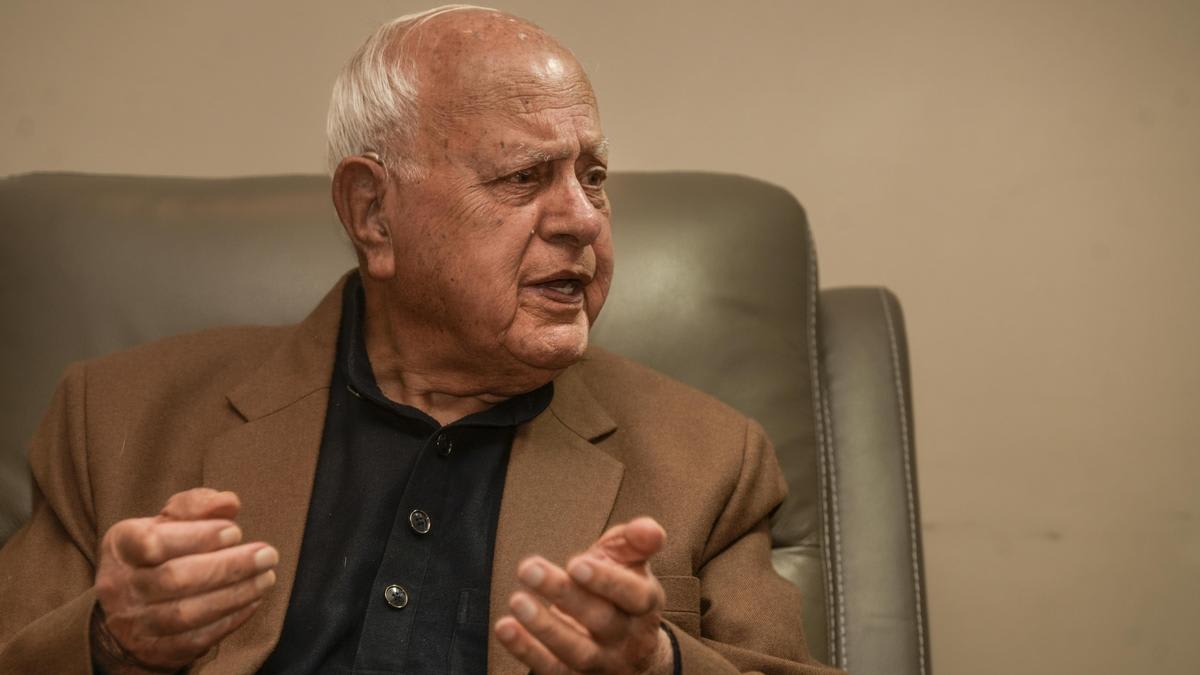
National Conference leader Farooq Abdullah has criticized the Union government for blaming foreign conspiracies for domestic crises. He challenged the Centre to provide specific evidence or name the countries allegedly involved in meddling.
The Politics of Blame: Farooq Abdullah Challenges the 'Foreign Hand' Narrative
A Recurring Political Rhetoric
National Conference (NC) president and veteran politician Farooq Abdullah recently leveled a sharp critique against the Union government, accusing it of resorting to the 'foreign hand' narrative whenever it faces internal political instability. Speaking from Srinagar on October 23, 2026, the three-time former Chief Minister suggested that the central administration frequently utilizes the specter of external interference to deflect from domestic governance challenges and public dissatisfaction.
The Demand for Accountability and Transparency
At the heart of Mr. Abdullah's critique is a challenge regarding evidentiary standards. By daring the Centre to identify which specific nation is allegedly meddling in India’s internal affairs, Abdullah is highlighting a perceived lack of transparency in the government's communication strategy. His remarks suggest that the ambiguity of the phrase 'foreign hand' serves as a convenient political shield, allowing the administration to bypass complex domestic policy debates by shifting the focus toward national security threats that remain conveniently unnamed.
Historical Context of the 'Foreign Hand'
The discourse regarding 'external conspiracy' is not new to the Indian political landscape. Historically, various administrations have invoked the concept of foreign subversion to describe civil unrest or organized protests. However, Abdullah’s intervention signals a growing frustration among opposition leaders who argue that this terminology is increasingly used to delegitimize legitimate democratic dissent and protest movements occurring within the capital.
Implications for Domestic Governance
When the state characterizes domestic protests—such as those currently surrounding the SIR LIVE initiative—as the result of foreign intervention, it fundamentally alters the nature of the state-citizen relationship. Instead of addressing the grievances of the protesters, the government’s reliance on this narrative risks alienating segments of the population. Abdullah’s stance emphasizes that by failing to name specific actors, the government effectively undermines its own credibility and avoids the necessary introspection required to resolve internal crises.
Evaluating the Credibility of Security Claims
From an analytical perspective, the tension lies in the balance between genuine national security concerns and political expediency. While no nation is immune to foreign intelligence operations, the frequent invocation of such threats without public verification creates a 'cry wolf' effect. Abdullah’s demand for names forces a shift in the debate from abstract security fears to concrete, verifiable facts, which is essential for a healthy democratic discourse.
Future Trends in Political Opposition
As the political climate in India remains highly polarized, we can expect opposition leaders to continue challenging the government’s security-centric narratives. Future trends suggest that if the Centre continues to rely on vague claims of foreign involvement without substantiation, it may face increased pressure from both the media and political rivals to provide evidence. Ultimately, this exchange reflects a broader trend of increased scrutiny regarding how the state frames dissent in the era of digital information and heightened political awareness.
Verification Required?