Bengaluru Hairstylist Dies As Speeding Baleno Rams Scooty At Traffic Stop
Source Entity
NDTV News Search Records Found 1000
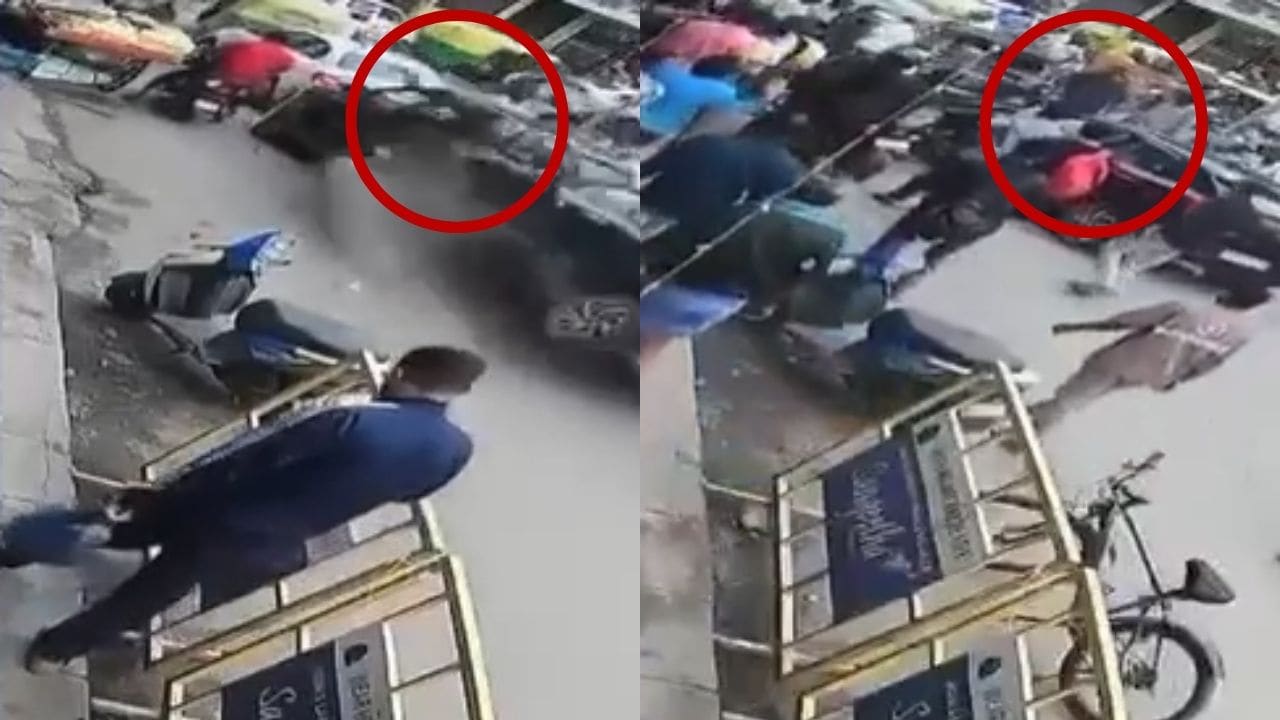
Two separate fatal traffic accidents in Delhi and Bengaluru have resulted in the deaths of elderly pedestrians and a hairstylist. Authorities have taken both drivers into custody as investigations into mechanical failure and negligence proceed.
Road Safety Crisis: Fatal Collisions in Delhi and Bengaluru
The Delhi Tragedy Near Kailash Colony
In a harrowing incident in South Delhi, a 71-year-old woman, Shashi Bhateja, lost her life after an SUV driven by 59-year-old Tapan Ahir went on a rampage near the Kailash Colony metro station. The vehicle reportedly struck multiple cars before mounting the pavement and hitting the elderly couple, who were waiting for an autorickshaw following a dental appointment. The victim, a retired CPWD employee, succumbed to her injuries at Moolchand Hospital, while her husband, Kulbhushan Bhateja, remains hospitalized with a fracture and ocular trauma.
Investigation into Mechanical and Human Factors
Law enforcement officials have apprehended Tapan Ahir and are conducting a multi-faceted investigation to determine the cause of the collision. A critical aspect of the inquiry involves forensic analysis; the driver’s blood samples have been sent to a Forensic Science Laboratory to screen for alcohol consumption. Furthermore, police are scrutinizing the vehicle to ascertain if a mechanical malfunction contributed to the loss of control, a common defense in high-profile traffic fatalities that requires rigorous technical verification.
The Bengaluru Incident: A Pattern of Reckless Driving
Simultaneously, reports from Bengaluru highlight a similar pattern of vehicular violence, where a speeding Baleno struck a scooter at a traffic intersection, resulting in the death of a local hairstylist. The driver, a 63-year-old individual, has been taken into custody. These concurrent events underscore a broader, systemic issue regarding road discipline and the vulnerability of pedestrians and two-wheeler riders in dense urban Indian environments.
Broader Implications for Urban Infrastructure
These incidents highlight the urgent need for enhanced traffic calming measures in high-density areas like Greater Kailash-1. The proximity of such collisions to public transit hubs, such as the Kailash Colony metro station, raises concerns about pedestrian safety zones. Urban planning in India has historically prioritized vehicular flow over pedestrian protection, leaving those waiting for public transport at significant risk from errant drivers.
The Human Cost and Legal Accountability
Beyond the statistics, these tragedies represent the profound loss of elderly citizens and professionals who are integral to their communities. The legal process, from the immediate arrest of the drivers to the eventual forensic reports, serves as the only mechanism for accountability. As investigations continue, the public discourse is shifting toward stricter enforcement of traffic laws and the potential implementation of advanced driver-assistance systems to mitigate the impact of human error or medical emergencies behind the wheel.
Future Trends in Road Safety
Looking ahead, the integration of smart surveillance and automated traffic enforcement is essential to curb the prevalence of speeding. If investigations reveal that mechanical failures are a recurring cause, there may be a push for more stringent periodic vehicle inspections. Ultimately, reducing these fatal collisions requires a combination of robust legal consequences for negligence and a significant cultural shift toward safer driving practices in India’s rapidly expanding metropolitan centers.
Multiple Citing Sources
Verification Required?