This Indian village has no doors or locks or theft reports. The secret is a 300-year-old bleeding slab
Source Entity
Latest News: Todays Latest News Headlines from India & World | Hindustan Times | Hindustan Times
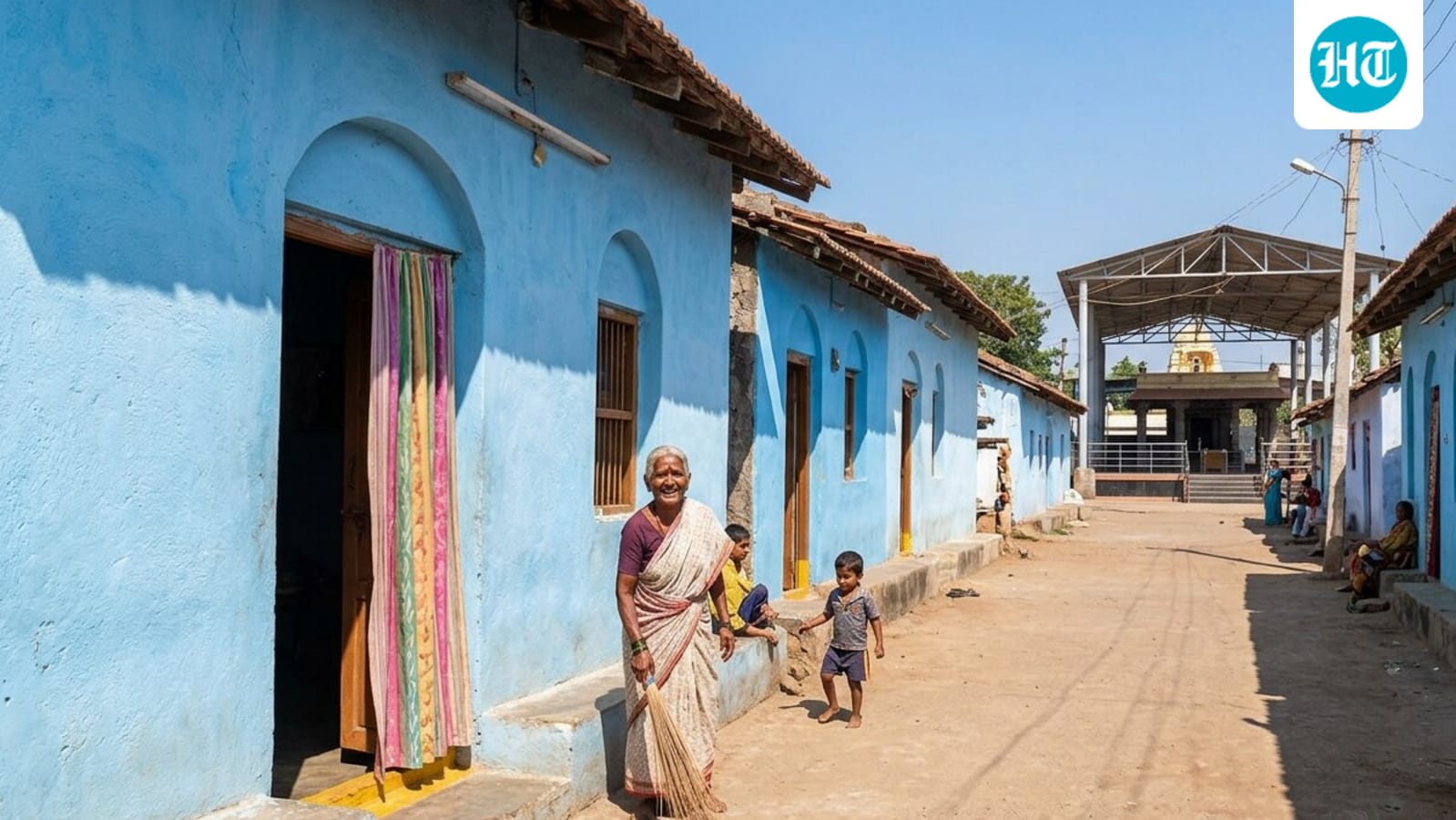
Shani Shingnapur in Maharashtra is renowned for a centuries-old tradition where homes and businesses operate without doors or locks. Residents attribute this unique social safety mechanism to their deep-rooted faith in Lord Shani, believing the deity protects them from theft.
The Phenomenon of Shani Shingnapur: A Study in Faith and Social Trust
A Community Defined by Absence
In the Ahilyanagar district of Maharashtra, Shani Shingnapur stands as a sociological anomaly in the modern world. While global urbanization trends prioritize high-security infrastructure, this village has maintained a tradition for generations where residential homes and commercial establishments forgo front doors and locking mechanisms entirely. This practice is not merely an architectural quirk; it represents a profound social contract predicated on shared belief and collective security.
The Mythological Foundation
At the heart of this tradition lies a 300-year-old legend involving Lord Shani, the Hindu deity associated with the planet Saturn and the embodiment of divine justice. According to local folklore, a significant environmental event—specifically heavy rain and subsequent flooding—revealed a sacred slab that the villagers identified as a manifestation of the deity. This event catalyzed a shift in the community’s spiritual life, leading to the establishment of the village’s unique cultural ethos centered on the deity's protective presence.
Faith as a Social Security Mechanism
The absence of locks is a tangible expression of the residents' unwavering faith. By removing the physical barriers between private and public space, the community reinforces a culture of mutual trust. This belief system serves as a powerful deterrent against crime, as the villagers operate under the conviction that any act of dishonesty would be met with divine retribution. This internal moral compass effectively replaces the need for external law enforcement or physical security hardware.
Broader Sociological Implications
Shani Shingnapur serves as a fascinating case study for sociologists examining the relationship between religious devotion and social cohesion. In an era where trust in institutional security is often declining, the village demonstrates how a unified cultural narrative can foster a high-trust society. The lack of theft reports in the village highlights the efficacy of this social model, where the fear of divine justice functions more efficiently than traditional surveillance.
Challenges and Future Outlook
As the village gains more attention from tourists and pilgrims, the sustainability of this tradition faces new pressures. The influx of outsiders, who may not share the same spiritual connection to the locale, necessitates a delicate balance between maintaining historical customs and adapting to modern realities. However, for the residents of Shani Shingnapur, the practice remains a cornerstone of their identity, preserving a way of life that stands as a testament to the enduring power of faith in human organization.
Verification Required?