Here is what changed in the new Fed statement
Source Entity
US Top News and Analysis
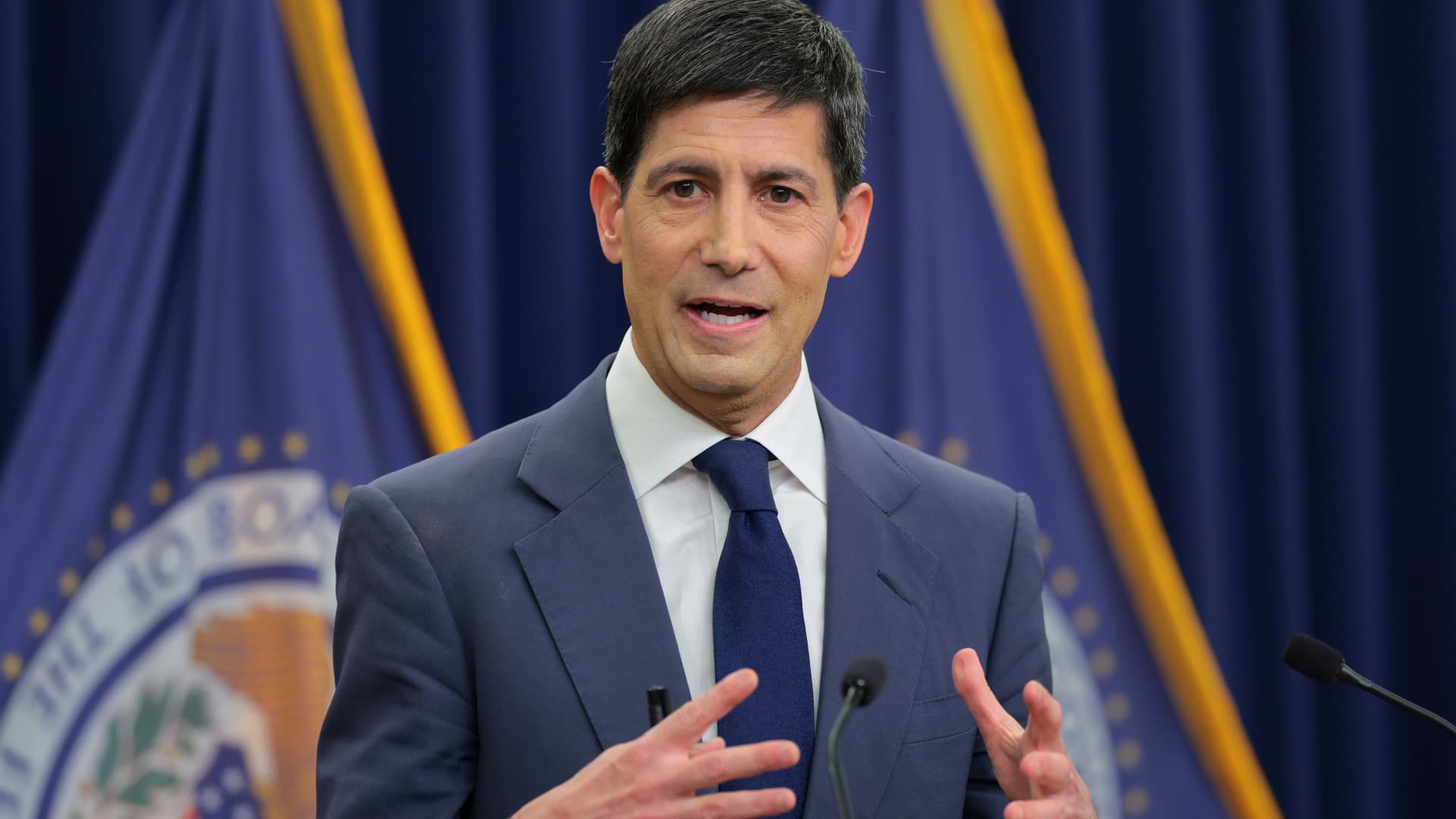
The Federal Reserve has released an updated FOMC statement comparing recent policy shifts to the previous September meeting. This transition marks the first major policy communication under the leadership of Chair Kevin Warsh.
Analysis of the Federal Open Market Committee Policy Shift
The Context of Policy Evolution
The Federal Open Market Committee (FOMC) has released its latest policy statement, providing a critical window into the central bank's evolving economic strategy. By conducting a direct comparison between the current Wednesday statement and the prior September document, analysts can identify the precise linguistic and policy shifts intended to signal the Fed's stance on inflation, employment, and interest rates. This transparency in documentation is a cornerstone of modern central banking, designed to guide market expectations.
Leadership Transition Under Kevin Warsh
A significant element of this update is the context surrounding Federal Reserve Chair Kevin Warsh. Having assumed the helm of the central bank on June 17, 2026, this period marks a pivotal transition in institutional leadership. The inclusion of his first news conference since taking office highlights a departure from previous communication styles, suggesting that the current FOMC statement is not merely a continuation of past policy but a reflection of a new leadership vision for the U.S. financial system.
Decoding the Comparative Methodology
To understand the Fed's trajectory, the committee utilizes a visual comparative format where text removed from the September statement is struck through, and new additions are underlined. This methodology is essential for market participants who rely on subtle shifts in phrasing to gauge the direction of monetary policy. By distinguishing between legacy 'black text' and new updates, the Fed clarifies which objectives remain constant and which have been recalibrated in response to shifting economic data.
Broader Economic Implications
Changes in FOMC statements often ripple through global markets, affecting bond yields, equity valuations, and currency exchange rates. The distinction between what was removed and what was added serves as a barometer for the committee's confidence in the current economic recovery or, conversely, their concerns regarding stagnation. Given the recent changes, stakeholders are closely monitoring how these specific linguistic adjustments align with the broader mandate of maintaining stable prices and maximum employment.
Future Trends and Market Signaling
Looking forward, the policy direction established in this latest statement sets the tone for future interest rate decisions. As Chair Warsh continues to define his tenure, the market will look for consistency in these statements to predict the Fed's tolerance for volatility. The shift in language—whether hawkish or dovish—will dictate the strategic planning of financial institutions and investors for the remainder of the fiscal year.
Conclusion
In summary, the latest FOMC statement provides a clear, documented evolution of monetary policy under the new leadership of Kevin Warsh. By meticulously comparing the current text against the September baseline, observers can gain a nuanced understanding of the Fed's current priorities. This transparency remains vital for maintaining market stability and ensuring that the public understands the central bank's response to the prevailing economic environment.