Wendy’s buyout offer suggests the burger chain’s overhaul could be very expensive
Source Entity
Bill Peters
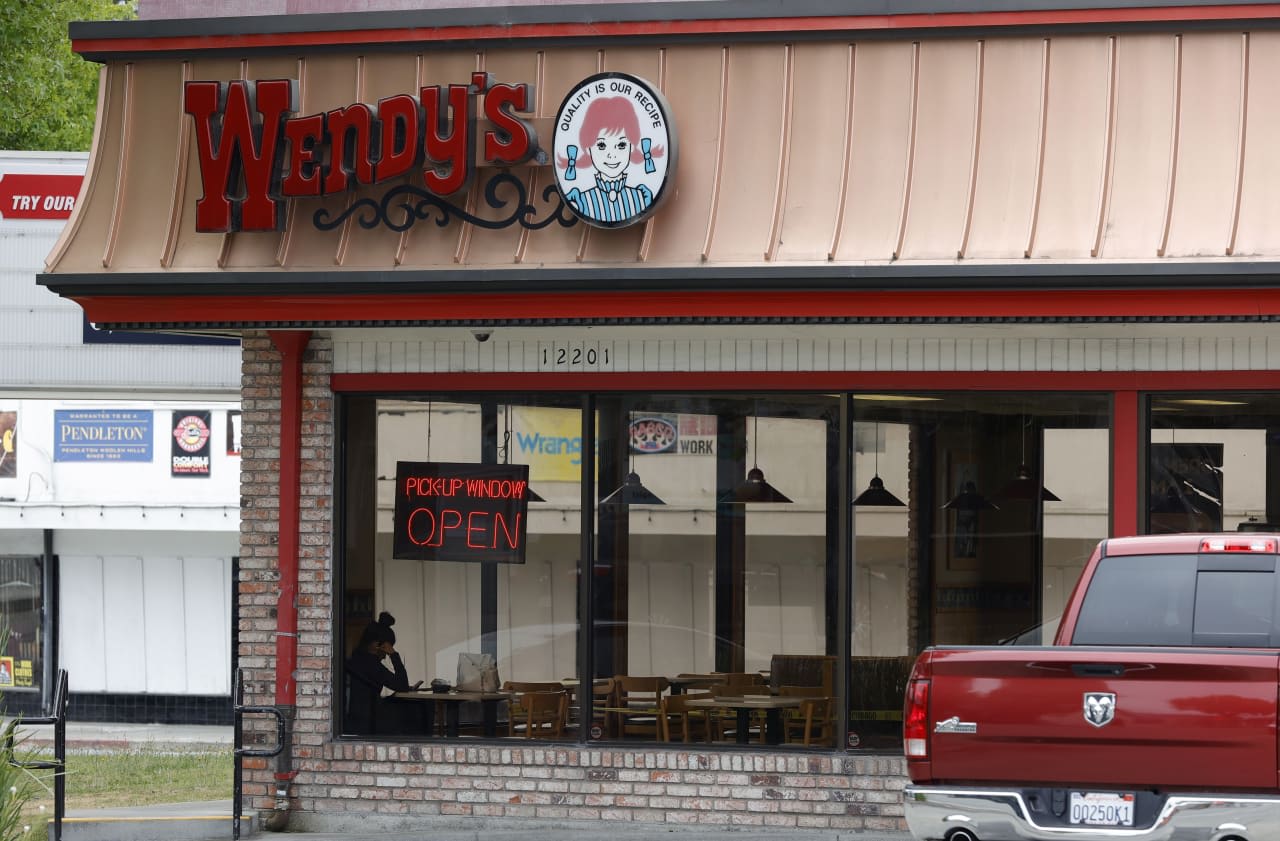
Trian Fund Management, led by Nelson Peltz, has offered $1.4 billion to take Wendy's private at a 20% premium. The move follows a difficult two-year period for the chain, with investors signaling that significant capital investment is required to revitalize the brand.
The Wendy's Take-Private Bid: A Strategic Shift
Nelson Peltz’s Trian Fund Management, in conjunction with BlueFive Capital, Sixth Street Partners, and the Flynn Group, has formally proposed a $1.4 billion acquisition to take the iconic burger chain, Wendy’s, private. By offering $7.35 per share—a 20% premium over the previous closing price—the consortium has signaled a strong intent to remove the company from the volatility of public markets. This move comes at a critical juncture for the quick-service restaurant (QSR) sector, which has faced significant headwinds regarding consumer spending habits.
Addressing the Two-Year Slump
Wendy’s has struggled through a challenging two-year period characterized by declining traffic and shifting dining patterns. The company’s stock performance has reflected these difficulties, having tumbled approximately 65% over a recent timeframe. The decision to pursue a take-private deal suggests that the current ownership and leadership structure may be struggling to execute a turnaround while under the intense, short-term pressures of quarterly earnings reports and public market scrutiny.
The Role of Franchisee Involvement
Notably, the inclusion of the Flynn Group—one of Wendy's largest franchisees—in the acquisition consortium adds a layer of operational expertise to the bid. Unlike pure financial investors, the Flynn Group possesses direct insight into the day-to-day challenges of running Wendy’s restaurants. This suggests that the proposed overhaul is not merely a financial engineering play, but a structural realignment aimed at improving unit-level economics and operational efficiency.
Capital Investment Requirements
Trian Fund Management has explicitly stated that Wendy’s "requires significant capital investment" to return to a growth trajectory. This assessment implies that the physical assets, digital infrastructure, or menu innovation strategies may have been underfunded during the recent downturn. By taking the company private, the new owners would be able to deploy capital toward long-term upgrades without the immediate need to justify those expenditures to public shareholders who prioritize short-term dividends and stock appreciation.
Market Reaction and Broader Implications
The market’s immediate reaction—a 15% spike in Wendy’s shares—underscores investor optimism regarding the potential for a successful turnaround under private ownership. While Wendy’s has not yet issued a formal response to the proposal, the involvement of major stakeholders suggests that the path toward privatization is a serious consideration. If successful, this deal could serve as a case study for other legacy retail and dining brands attempting to navigate post-pandemic consumer shifts through private equity intervention.
Future Outlook for the Brand
Moving forward, the success of this potential transition will depend on whether the consortium can effectively balance the necessary capital intensive investments with the realities of a competitive fast-food market. If the group can stabilize the brand and restore growth, it could lead to a future public offering or a strategic sale down the line. However, the immediate priority remains stabilizing the chain’s footprint and reversing the downward trend in consumer engagement that has defined the last two years.
Multiple Citing Sources
Verification Required?