Bond investor Jeff Gundlach talks to CNBC about Fed's rate pause, Warsh reducing vote-setting meetings
Source Entity
US Top News and Analysis
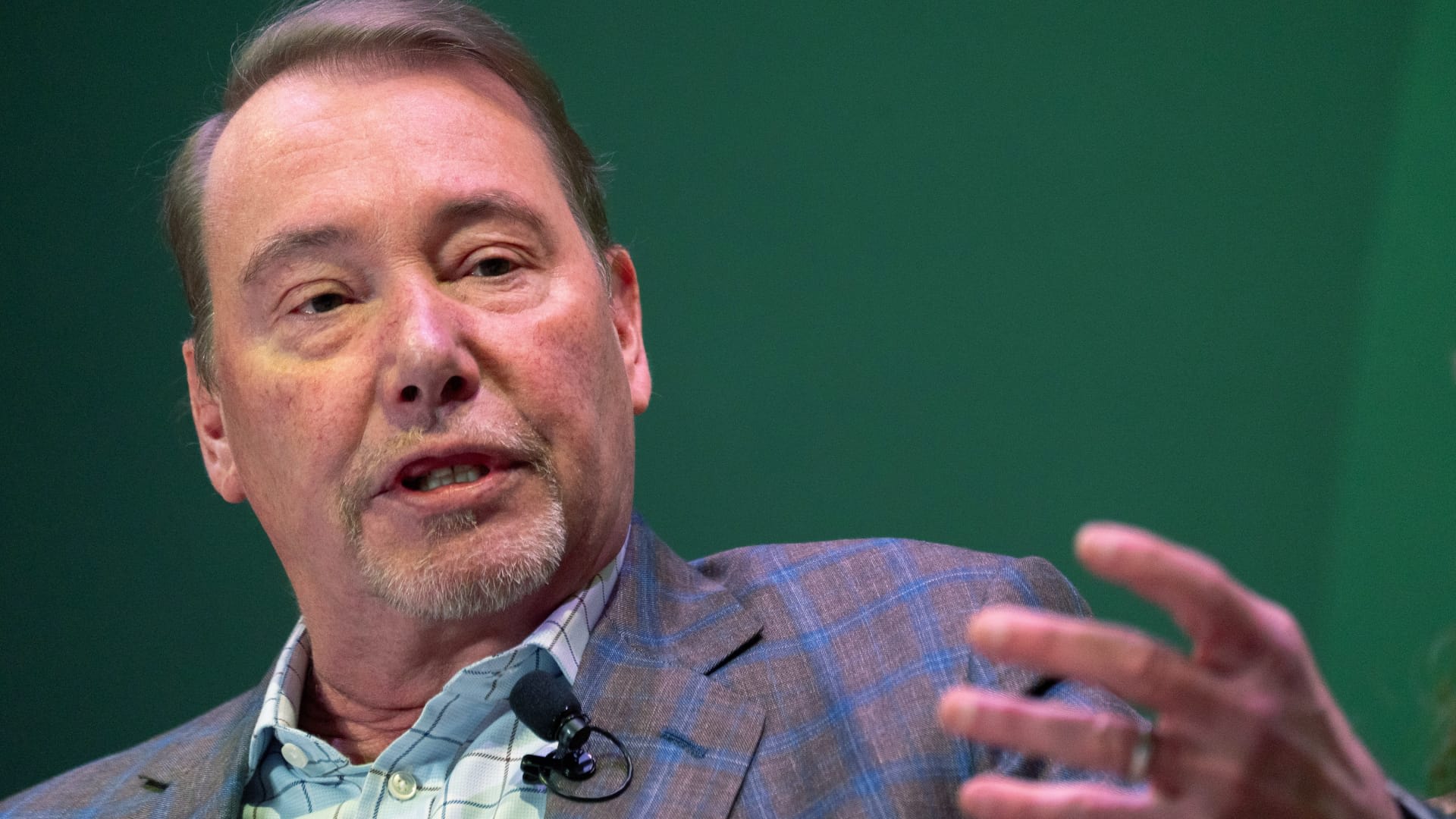
DoubleLine CEO Jeffrey Gundlach discussed the Federal Reserve's decision to maintain interest rates following their October meeting. Additionally, Fed Chairman Warsh announced a shift in future meeting structures to prioritize long-term monetary policy strategy over rate-setting votes.
Federal Reserve Policy Shifts and Market Reaction
Following the Federal Reserve's recent decision to maintain interest rates at its October meeting, Jeffrey Gundlach, CEO and CIO of DoubleLine Group, appeared on CNBC’s "Closing Bell" to offer his expert assessment. Gundlach, a prominent voice in the bond market, has long advocated for more aggressive monetary tightening, previously criticizing the Fed for only implementing a 25-basis-point hike during their September session. His commentary underscores a persistent tension between market analysts who prioritize inflation control and the central bank's cautious approach to interest rate policy.
The Strategic Pivot in Fed Meetings
Beyond the immediate rate decision, Fed Chairman Warsh introduced a significant structural change to the central bank's calendar. The announcement that one meeting in 2027 and two meetings in 2028 will be dedicated exclusively to long-term monetary policy strategy—rather than rate-setting—marks a departure from the traditional eight-meeting cycle. This shift suggests a desire to decouple short-term tactical adjustments from broader, multi-year economic planning, potentially allowing the Federal Open Market Committee (FOMC) to deliberate on systemic issues without the immediate market volatility associated with interest rate announcements.
Analyzing Gundlach’s Stance on Hawkish Policy
Gundlach’s reaction to the Fed’s current trajectory remains grounded in his belief that the central bank has historically been too slow to tighten financial conditions. By arguing that the September hike was insufficient, he signals a concern that the Fed may be falling behind the curve in managing economic pressures. His influence as a bond investor provides a critical lens through which to view these policy pauses, often highlighting the risks that inaction poses to long-term bond yields and inflation expectations.
Broader Implications for Market Stability
The decision to hold rates steady, contrasted with the planned strategic meetings, presents a mixed signal to the markets. On one hand, the pause offers a period of stability for borrowers and investors who have been grappling with the rapid rate increases of the past year. On the other hand, the introduction of non-voting policy strategy meetings creates a new variable for market participants to monitor. Investors will likely scrutinize these non-voting sessions for clues regarding the Fed's long-term philosophy on the neutral rate and the potential for future policy pivots.
Conclusion and Future Outlook
The convergence of Gundlach’s critical feedback and Chairman Warsh’s structural reforms points to a central bank in a state of evolution. As the Fed moves toward a model that separates strategic deliberation from immediate rate-setting, the role of market observers like Gundlach becomes increasingly vital. The coming years, particularly 2027 and 2028, will test whether this new meeting structure can successfully foster stability or if it will leave the central bank more vulnerable to criticism during periods of economic volatility.