As the sea changes, fisherwomen in Tamil Nadu struggle to stay afloat
Source Entity
India Latest News: Top National Headlines Today & Breaking News | The Hindu
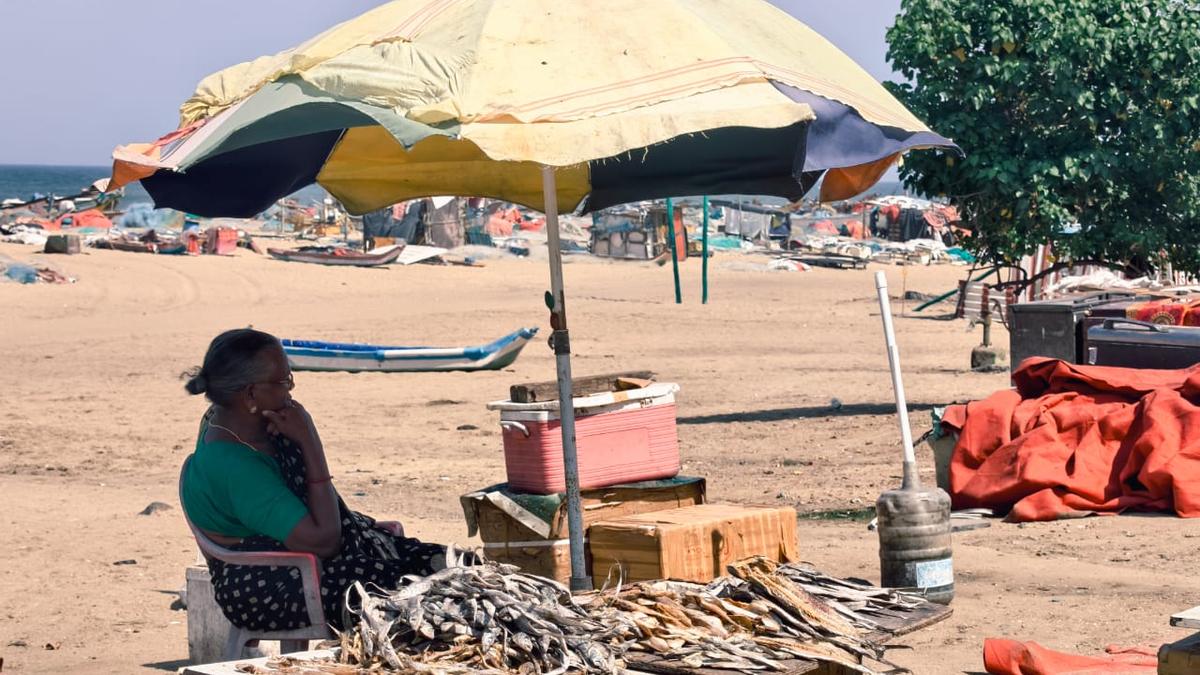
Fisherwomen in Chennai are facing severe economic hardship due to rising temperatures and ecological degradation. These environmental shifts threaten their traditional livelihoods and the sustainability of coastal fishing communities.
The Eroding Livelihoods of Chennai’s Fisherwomen
In the coastal hamlets of Chennai, such as Nochikuppam, the traditional rhythm of life is being fundamentally disrupted by a volatile environment. For women like Kavitha, who operate at the frontline of the local fish trade, the daily struggle to maintain freshness and secure sales has become a high-stakes race against the elements. As temperatures climb, the simple act of displaying a catch on a market table has transformed from a routine task into a precarious endeavor, underscoring how climate change is reshaping the economic realities of India's coastal workforce.
The Dual Threat of Heat and Ecological Change
The crisis facing these fisherwomen is not solely defined by rising mercury levels. While the heat presents an immediate logistical hurdle—threatening the quality of the product and, by extension, the day's income—it is part of a broader, systemic degradation of the marine ecosystem. The Bay of Bengal is undergoing significant changes, characterized by pollution and ecological shifts that disrupt the predictability of the sea. These environmental stressors are compounding the challenges for artisanal fishing families who rely on traditional knowledge that is becoming increasingly obsolete as the ocean’s behavior becomes more erratic.
Economic Precarity in Coastal Hamlets
The economic impact on these communities is profound. For artisanal fishermen, whose work is traditionally planned around the rhythms of the sea, the instability of the marine environment creates a ripple effect that hits the household budget immediately. When the catch becomes unpredictable or the quality is compromised due to environmental factors, the fisherwomen who manage the retail side of the business are left to absorb the loss. This creates a cycle of financial insecurity that threatens the long-term viability of these historic fishing hamlets located along the Marina Loop Road.
Broader Implications for Coastal Communities
The plight of women in the Nochikuppam fish market serves as a microcosm for the larger challenges facing coastal populations globally. As sea temperatures rise and marine biodiversity suffers from pollution, the artisanal fishing sector—often the backbone of local food security and community heritage—finds itself in a state of flux. The loss of predictable seasonal patterns suggests that these communities will require significant adaptation strategies, ranging from improved cold-chain infrastructure to policy interventions that address marine pollution at its source.
Looking Toward a Sustainable Future
Addressing this crisis requires a multi-faceted approach that acknowledges the intersection of climate change and local economic dependency. Without targeted support to improve storage facilities or aid in transitioning to more resilient fishing practices, the cultural and economic heritage of Chennai’s fishing hamlets faces an uncertain future. The struggle of individuals like Kavitha highlights the urgent need for climate-adaptive measures that protect not only the marine ecosystem but also the livelihoods of those who have historically looked to the sea for their survival.
Verification Required?