Fleeing a wall of flames: Tourists describe France wildfires escape
Source Entity
BBC News
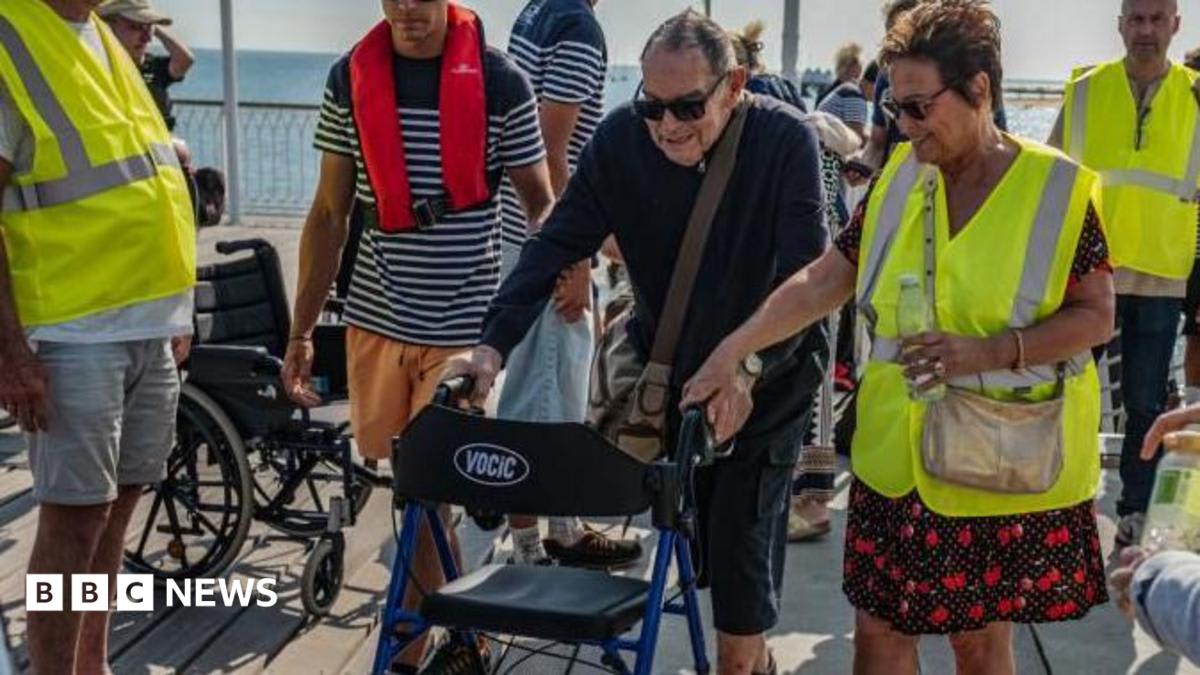
Massive wildfires across France and Spain have forced over 250,000 people to evacuate, with authorities struggling against extreme heat and high winds. Governments in both nations have mobilized emergency resources as the situation remains critical.
The Scorched Mediterranean: A Crisis of Unprecedented Scale
Across southwestern France and central Spain, a catastrophic wildfire season has transformed serene holiday destinations into scenes of frantic evacuation. With over 250,000 people displaced, families—including international tourists—have reported harrowing escapes, describing drives past towering six-storey flames and middle-of-the-night emergency alerts. The scale of this displacement underscores the severity of the current climate-driven volatility impacting the European continent.
Meteorological Drivers and Operational Challenges
The persistence of these blazes is largely attributed to a convergence of adverse weather conditions. Sustained high temperatures paired with strong, unpredictable winds have hampered the efforts of exhausted firefighting crews. In France, officials near Bordeaux have stated they remain "far from having the fire under control," as winds continue to push flames toward populated areas. Similarly, the Spanish government has declared a national emergency, with Prime Minister Pedro Sánchez warning of "complex hours" ahead, even as some regions near Madrid experience minor reprieves due to localized weather shifts.
Human Impact and the Tourist Experience
For thousands of tourists, the traditional summer respite has been replaced by survival missions. Reports of smoke smelling like a massive bonfire reaching far beyond the immediate fire zones serve as a grim indicator of the fire's reach. The imagery of families fleeing with suitcases toward beaches highlights the chaotic nature of these evacuations. While flights to major hubs like Bordeaux and Madrid remain operational, the psychological and logistical toll on those caught in the path of the infernos is profound.
National Mobilization and Tragedy
The response from state authorities has been comprehensive, involving the deployment of the French military and the formal declaration of states of emergency in Spain. Despite these interventions, the human cost is mounting. Tragically, authorities in València have confirmed the death of a man in his 70s, whose body was discovered in his vehicle—a stark reminder of the lethal speed at which these fires can overtake transit routes.
Broader Implications and Future Outlook
As Madrid faces what officials describe as its worst fire on record, the event signals a worrying trend for European forest management and disaster preparedness. The concentration of these fires near major population centers and tourist hubs suggests that infrastructure in these regions is increasingly vulnerable to extreme heat events. Moving forward, the combination of rising global temperatures and volatile wind patterns will likely necessitate a fundamental shift in how France and Spain manage rural land, protect residential zones, and execute large-scale emergency evacuations to mitigate future loss of life.