Watch: Two Philippine air force trainer aircraft collide mid-air; 4 pilots killed
Source Entity
AASTHA JHA
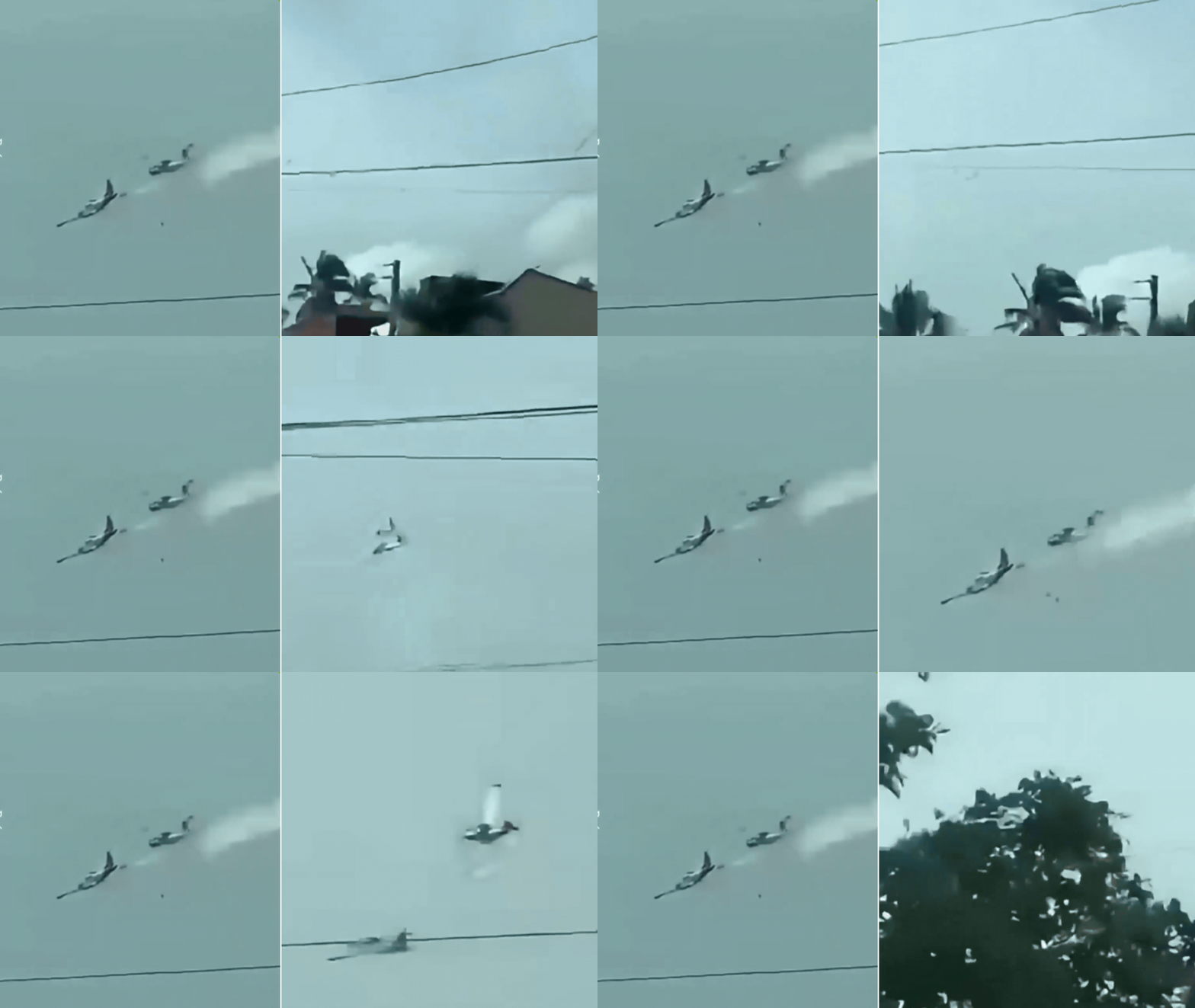
Four Philippine Air Force pilots died following a mid-air collision of two SF-260 trainer aircraft at Fernando Air Base. The military has grounded the entire fleet pending an investigation into the incident.
Tragic Mid-Air Collision Claims Lives of Four Philippine Air Force Pilots
On Friday, October 23, 2026, a devastating aviation accident occurred at the Fernando Air Base in Batangas province, south of Manila, resulting in the deaths of four Philippine Air Force (PAF) pilots. The incident involved two SF-260 trainer aircraft that collided during a routine training flight. The impact, which was captured on video, caused both planes to spiral out of control before crashing within the perimeter of the air base. Fortunately, there were no reported casualties on the ground, preventing what could have been a much larger tragedy.
Immediate Response and Fleet Grounding
In the wake of the collision, the Philippine Air Force issued a formal statement confirming the loss of the four aviators and expressing their commitment to supporting the victims' families. As a standard safety protocol following such a catastrophic mechanical or operational failure, the PAF has announced the temporary grounding of its entire fleet of SF-260 trainer aircraft. This precautionary measure is intended to allow for a comprehensive investigation into the airworthiness of the remaining aircraft and the potential factors that led to this mid-air incident.
Contextualizing the SF-260 Trainer
The SF-260 is a widely utilized light aircraft known for its agility and use in military pilot training programs globally. However, this incident is particularly concerning as it follows a similar fatal crash involving the same aircraft type in May of the same year, which resulted in the loss of two pilots. The recurrence of such accidents within a short timeframe raises critical questions regarding the maintenance, operational safety standards, and training protocols associated with the SF-260 fleet in the Philippines.
The Investigation Process
While the visual evidence of the mid-air collision is clear, the underlying cause—whether it was human error, mechanical failure, or a combination of environmental factors—remains under active investigation. Military aviation authorities will likely analyze flight data recorders, maintenance logs, and communication transcripts from the training sortie to determine why the aircraft came into contact. The results of this investigation will be pivotal in determining whether the SF-260 fleet can safely return to service or if significant structural or procedural modifications are required.
Broader Implications for Military Readiness
The grounding of a primary trainer fleet has direct implications for the operational readiness of the Philippine Air Force. Training is the backbone of any air force, and the suspension of these sorties inevitably creates a backlog in pilot development. Furthermore, the loss of four experienced pilots is a significant blow to the service’s human capital. Moving forward, the military must balance the urgent need to resume training operations with the imperative to ensure the absolute safety of its personnel, especially given the history of incidents involving this specific aircraft model.
Concluding Summary
The mid-air collision at Fernando Air Base marks a somber moment for the Philippine Air Force. As the nation mourns the loss of these four pilots, the focus now shifts to the ongoing investigation and the necessary safety audits. The outcome of these efforts will not only influence the future of the SF-260 fleet but also serve as a critical turning point for safety management within the Philippine military’s aviation division.