Supreme Court expands wetland demarcation mandate, cites drinking water protection
Source Entity
Latest News: Todays Latest News Headlines from India & World | Hindustan Times | Hindustan Times
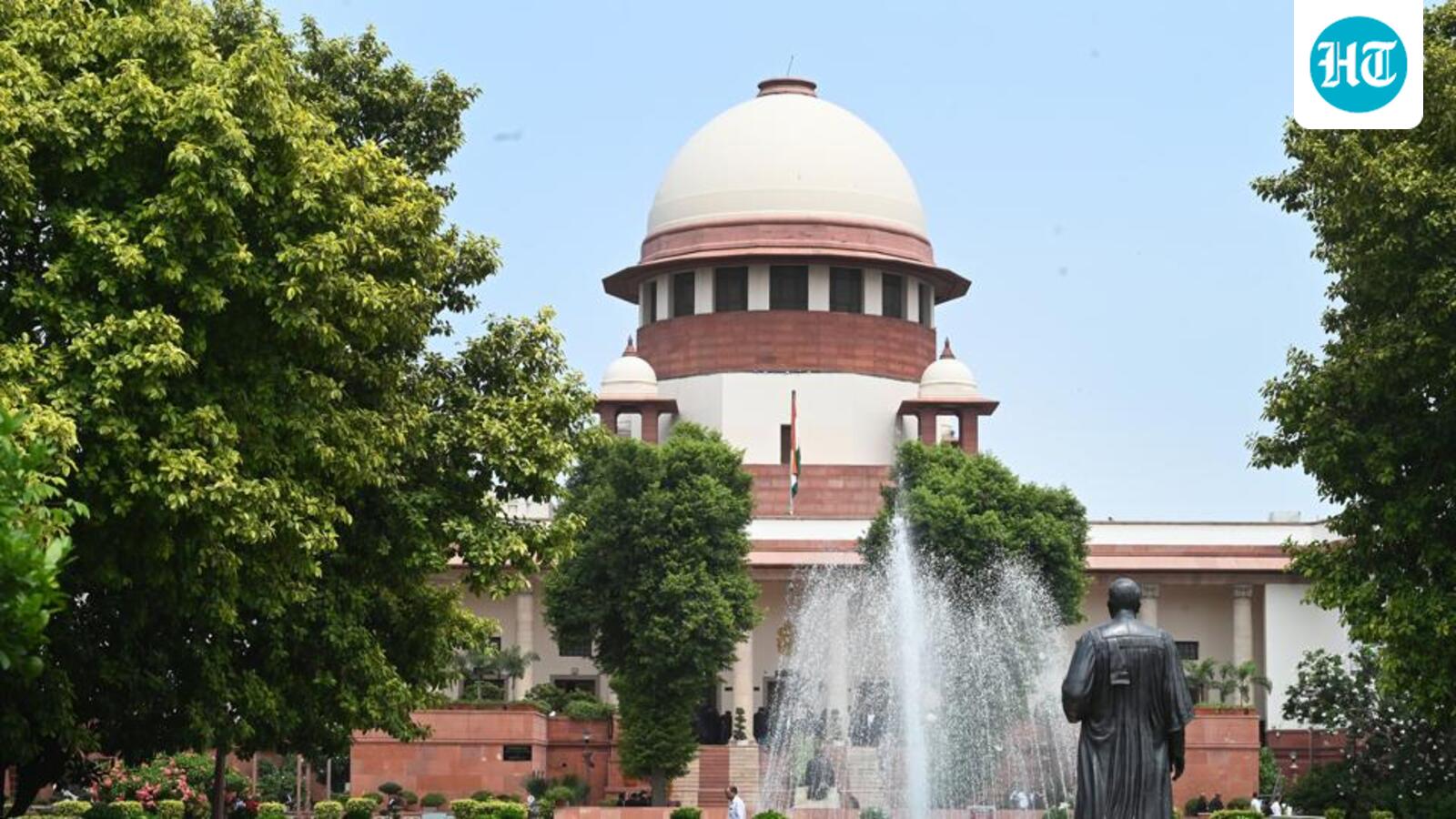
The Supreme Court has mandated the nationwide demarcation of all water bodies to ensure the protection of critical drinking water sources. States and UTs must now complete ground truthing based on the 2021 Space Applications Centre Atlas to comply with environmental regulations.
Supreme Court Mandates Nationwide Protection of Water Bodies
In a landmark directive aimed at addressing the mounting environmental crisis, the Supreme Court has significantly expanded the scope of wetland demarcation. A bench comprising Justices Aravind Kumar and Vipul M. Pancholi ruled that the identification and protection of water bodies can no longer be limited to specific categories or regions, but must encompass all water bodies across the country. The court emphasized that it cannot remain unmindful of the dire consequences if these vital resources are left unprotected, framing the preservation of such bodies as a fundamental necessity for securing drinking water for the populace.
Legal Context and Statutory Obligations
This judicial intervention stems from ongoing petitions advocating for the preservation of wetlands, which have historically faced encroachment and degradation. The court’s order reinforces the statutory obligations established under the Wetlands (Conservation and Management) Rules, 2017. By demanding adherence to these rules, the bench is effectively compelling states and union territories to move beyond passive observation and engage in active environmental management. This shift reflects a judicial recognition that water security is inseparable from the health of the broader ecosystem.
The Role of Technology in Conservation
Central to the court's order is the reliance on empirical data provided by the 2021 Space Applications Centre (SAC) Atlas. By mandating that states complete ground truthing and physical demarcation based on this satellite-mapped data within a three-month timeframe, the court is bridging the gap between remote sensing technology and on-ground enforcement. This integration of geospatial data into legal mandates ensures that demarcation is not arbitrary, but based on verified hydrological patterns identified by specialized scientific institutions.
Broader Implications for Water Security
The ripple effects of this ruling are expected to be substantial. As climate change continues to impact precipitation patterns and groundwater recharge rates, the protection of existing surface water bodies becomes a critical buffer against water scarcity. By prioritizing these areas, the court is signaling a shift toward a more proactive, preventative approach to water governance. This move aims to curb the rampant conversion of wetlands into real estate or industrial zones, which has historically been a primary driver of urban flooding and water contamination.
Future Trends and Accountability
Looking ahead, this order sets a rigorous timeline for administrative compliance. The requirement for ground truthing within three months puts significant pressure on local governance structures to allocate resources and personnel toward environmental preservation. Future trends in environmental litigation will likely mirror this trend, with courts increasingly holding authorities accountable for the physical upkeep of natural assets. Ultimately, this judicial push underscores a growing consensus: the survival of sustainable human settlements is intrinsically linked to the integrity of our natural water systems.
Verification Required?