In France, protests frame costs of state silence
Source Entity
Vijay Singh
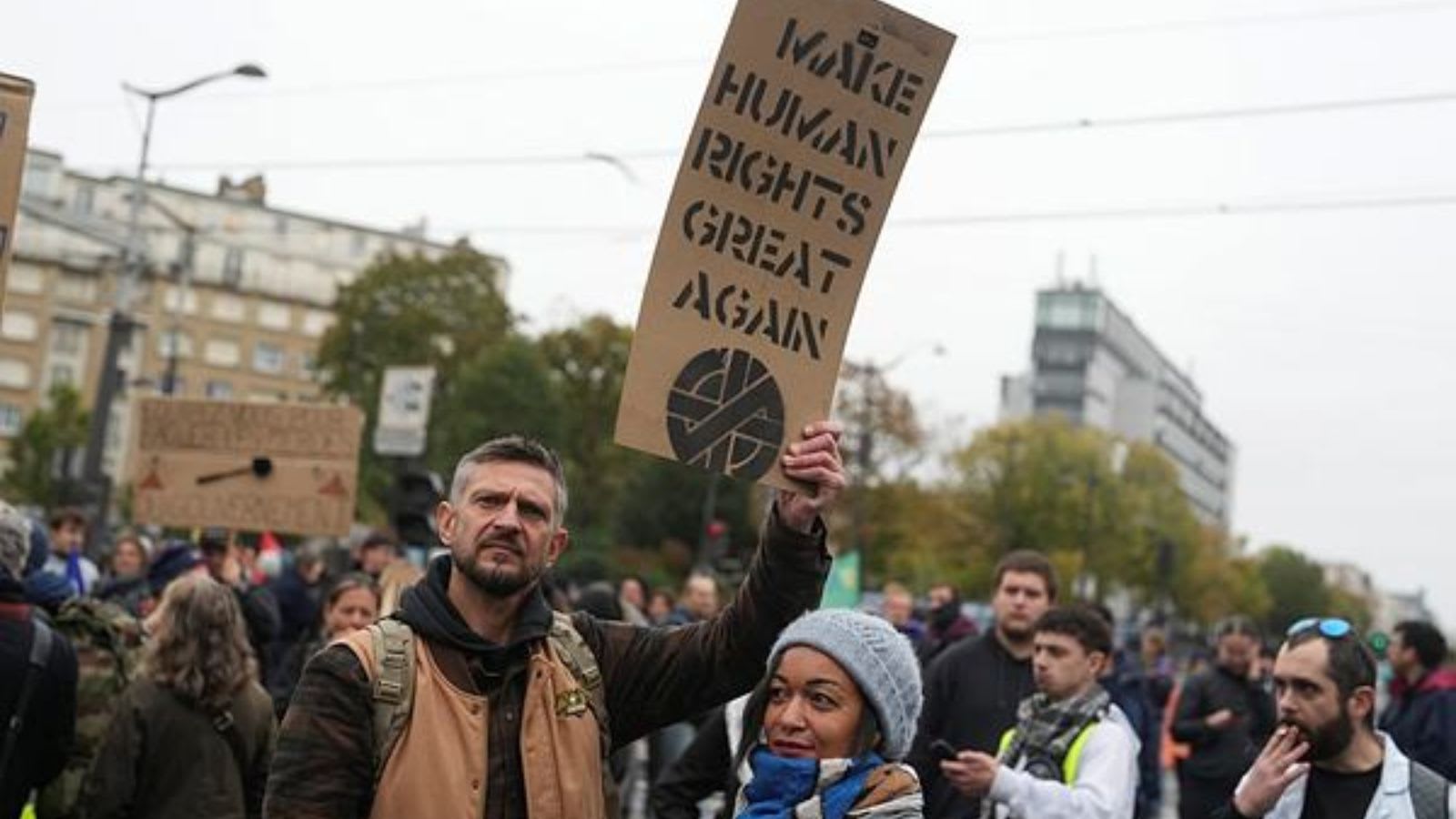
A racially motivated shooting in Trappes and La Verrière has ignited national tension following weeks of high school protests. President Macron has labeled the violence a turning point for the French Republic amidst rising societal instability.
The Trappes Tragedy: A Symptom of French Social Fracture
On October 23, the quiet suburbs of Trappes and La Verrière, located 30 kilometers from Paris, were shattered by an act of targeted violence. A White Frenchman, identified as Kevin T., carried out a shooting that claimed the life of Pengo Bossio Wang, a Black martial arts enthusiast, and left a 12-year-old North African girl in critical condition, alongside three others. This incident did not occur in a vacuum; it followed a period of intense public discourse where far-right factions had, without evidence, blamed preceding acts of vandalism on "Allah’s revolutionaries," thereby poisoning the local political climate with xenophobic rhetoric.
Origins in Civil Discontent
The violence emerged against the backdrop of a month-long high school protest movement that began in suburban Paris. Students had mobilized to voice grievances regarding the systemic neglect of their educational environment, citing dilapidated school buildings, chronic teacher shortages, and dangerously overcrowded classrooms. What started as a collective plea for state investment and basic educational infrastructure rapidly transformed into a focal point for broader societal frustrations, as the government’s perceived silence on these issues fueled a sense of alienation among immigrant communities.
The Intersection of Race and Rhetoric
The escalation from student activism to a heinous racist crime highlights the volatility of modern French social discourse. By attributing independent acts of vandalism to radical religious groups without proof, far-right actors successfully shifted the narrative from institutional failure to cultural conflict. This dangerous framing served to dehumanize immigrant townships, likely creating the atmosphere of hostility that preceded the shooting. The tragedy underscores how rapidly political misinformation can manifest as physical violence when state institutions fail to address the underlying socioeconomic grievances of marginalized populations.
A Turning Point for the Republic
President Emmanuel Macron has characterized this event as a "turning point" in the history of the Republic. This designation suggests that the executive branch recognizes the severity of the threat posed by domestic extremism and the failure of the state to maintain social cohesion. The incident forces a reckoning with how the government manages the intersection of suburban neglect, racial tensions, and the inflammatory nature of contemporary political discourse, which continues to polarize the French electorate.
Broader Implications and Future Trends
The tragedy in Trappes and La Verrière serves as a grim indicator of the challenges facing France. Moving forward, the state must navigate the difficult task of addressing the material needs of suburban youth—such as school funding and infrastructure—while simultaneously countering the radicalization of political rhetoric. If the government cannot provide a path toward equitable representation and investment, the cycle of protests and reactionary violence is likely to persist, further destabilizing the fragile peace in these immigrant-heavy townships and potentially influencing upcoming national policy shifts regarding immigration and suburban development.