G20 Ministers Skip Photo Op In Iran As Russia-Ukraine War Creates Rifts
Source Entity
NDTV News Search Records Found 1000
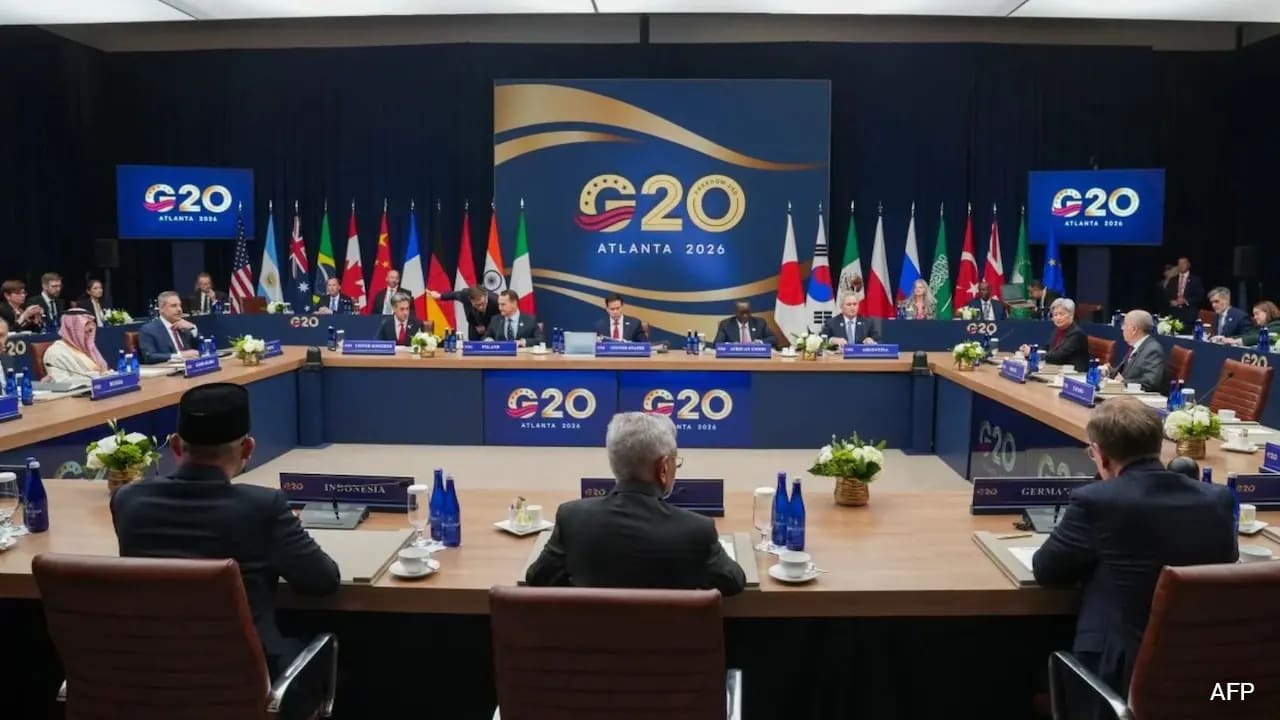
The G20 foreign ministers' summit in the US abandoned its traditional group photo to avoid diplomatic friction over Russia's presence. Tensions escalated as European officials threatened to boycott the session due to the ongoing conflict in Ukraine.
Diplomatic Standoff at the G20: The Vanishing Group Photo
The G20 foreign ministers' meeting in Atlanta has commenced under the shadow of intense geopolitical friction, marked by the unprecedented cancellation of the traditional "family photo." This decision, orchestrated by US Secretary of State Marco Rubio, reflects a deepening divide within the world's largest economies regarding the ongoing war in Ukraine and the continued inclusion of Russia in high-level multilateral forums.
The Anatomy of the Boycott
The cancellation was not a result of logistical oversight but a calculated move to prevent a public spectacle. Reports indicate that several European delegations made it clear they would not stand alongside Russian Foreign Minister Sergei Lavrov for a commemorative image. By preemptively cancelling the photo, Secretary Rubio aimed to mitigate a potential "distraction" that could have overshadowed the summit's substantive agenda. The refusal of European officials to participate highlights the uncompromising stance taken by Western powers against Moscow’s actions.
Confrontation and Diplomatic Isolation
Beyond the symbolic boycott, the summit witnessed direct hostility. UK Foreign Secretary Ed Miliband reportedly confronted Sergei Lavrov, directly accusing the Russian government of killing innocent civilians in Ukraine. This interaction underscores the failure of traditional diplomatic etiquette in the face of the ongoing invasion. The British government’s stance remains firm: there will be no direct, bilateral engagement with Russian ministers, a policy that significantly complicates the G20’s ability to function as a consensus-driven body.
The Absence of Ukraine and Internal Friction
The exclusion of Ukraine from this specific gathering has further complicated the atmosphere. While Ukraine has been a guest at previous G20 summits, its absence this time comes amidst a period of heightened tension between Kyiv and Washington. Reports of a diplomatic standoff between President Zelensky and President Trump regarding Ukrainian strikes on Russian oil infrastructure suggest a shifting landscape in Western support for Kyiv, adding an extra layer of complexity to the US-hosted summit.
Broader Implications for Global Governance
The inability of the G20 to maintain even the most basic ceremonial norms signals a potentially permanent shift in international relations. The group, originally designed to foster economic cooperation among the world's leading industrial and emerging markets, is increasingly paralyzed by the binary geopolitical conflict between Russia and the West. As these nations struggle to find common ground on security, the utility of the G20 as a platform for global economic stability is being severely tested.
Future Trends in Multilateralism
Looking forward, the trend toward fragmented multilateralism appears likely to persist. As long as the war in Ukraine continues, the G20 will likely remain a theater for intense diplomatic posturing rather than cohesive policy formulation. The "balking" of European officials serves as a preview of future summits where the presence of aggressor states will continue to trigger walkouts, boycotts, and the abandonment of diplomatic traditions, ultimately weakening the collective efficacy of the forum.
Verification Required?