Man held for possession of 22 country-made explosives in Ranipet
Source Entity
India Latest News: Top National Headlines Today & Breaking News | The Hindu
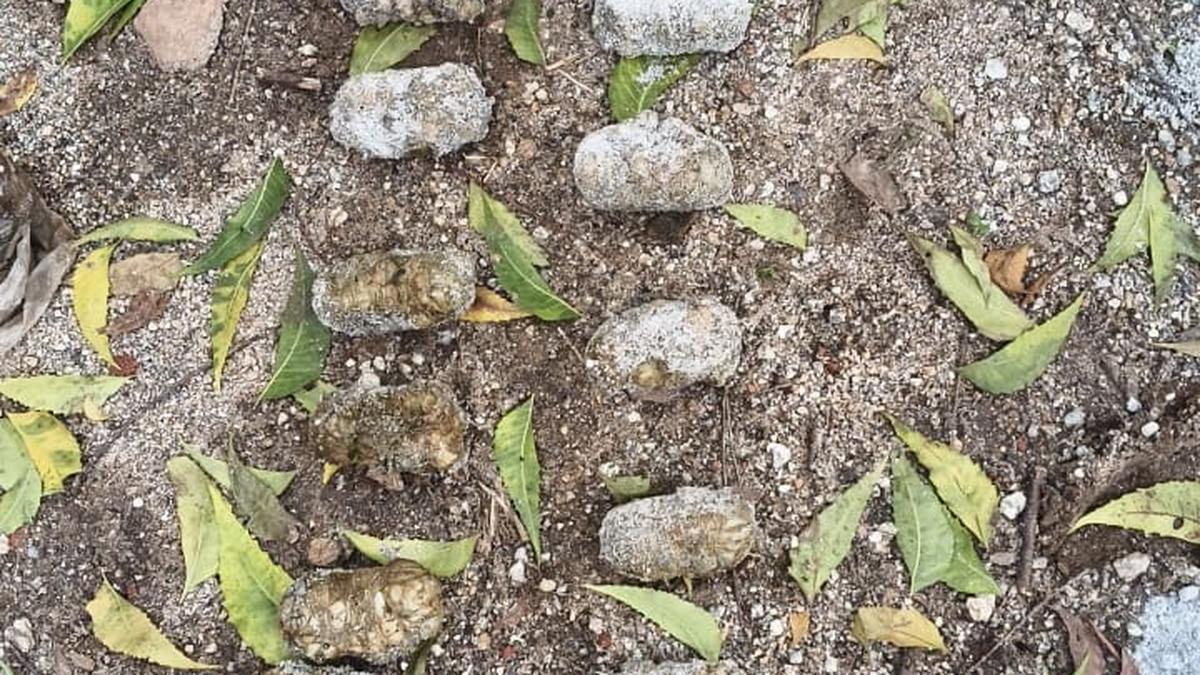
A 20-year-old man from the Irula community was arrested in Ranipet for possessing 22 country-made explosives intended for hunting. He is currently held in Vellore Central Prison as authorities conduct an investigation.
Arrest in Ranipet: Addressing the Threat of Country-Made Explosives
The Incident Overview
In a concerning development regarding wildlife protection and public safety, a 20-year-old member of the Irula community, identified as V. Devak Kumar, was arrested by the Forest Department in Ranipet, Tamil Nadu. The arrest occurred on a Friday following a patrol by forest officials in the Pakkiri reserve forests near Kaveripakkam village. During the encounter, officials discovered that the suspect was in possession of 22 country-made explosives, which he reportedly intended to use for the illegal hunting of small wild animals.
Investigative Procedures and Legal Action
Following the interception, a formal inquiry led the forest officials to a hidden cache where the explosives were stored. This discovery triggered an immediate legal response; the Kaveripakkam police registered a case based on the complaint filed by the Forest Department. Following the standard judicial process, Kumar was remanded and subsequently lodged in the Central Prison in Vellore. Authorities have indicated that a broader probe is currently underway to determine the origin of the explosives and whether other individuals are involved in this illegal activity.
Environmental and Wildlife Implications
The use of country-made explosives, often referred to as 'avittukai' in local contexts, poses a severe threat to biodiversity. These devices are indiscriminate and cruel, frequently causing grievous injury or death to non-target species and protected wildlife. The location of the arrest—the Pakkiri reserve forest—highlights the ongoing struggle forest departments face in patrolling vast, rugged terrains to prevent poaching. The intent to hunt small wild animals suggests a persistent challenge in mitigating human-wildlife conflict and curbing illegal wildlife trade.
Community and Socio-Economic Context
While the suspect belongs to the Irula community, a group historically known for their deep knowledge of the forests, this incident underscores the complexities of rural socio-economics. Engaging in illegal hunting often stems from a lack of viable economic alternatives or traditional practices that conflict with modern conservation laws. Addressing these issues requires a multi-faceted approach that balances strict law enforcement with community engagement and the creation of sustainable livelihoods to ensure that forest-dwelling populations are partners in, rather than threats to, biodiversity conservation.
Future Trends and Enforcement
Moving forward, the outcome of the probe in Vellore will be critical. It is expected that the Forest Department will intensify surveillance in the Pakkiri reserve forest to prevent further instances of poaching. Furthermore, the case serves as a reminder of the necessity for better intelligence gathering regarding the manufacturing and distribution of improvised explosive devices in rural areas. By tracking the supply chain of these explosives, authorities can hope to dismantle the networks that provide the means for such illegal activities, thereby protecting both the local ecosystem and the broader public safety mandate.
Verification Required?