Who is Gadi Eisenkot, the former army chief challenging Netanyahu in Israel’s election?
Source Entity
The Indian Express
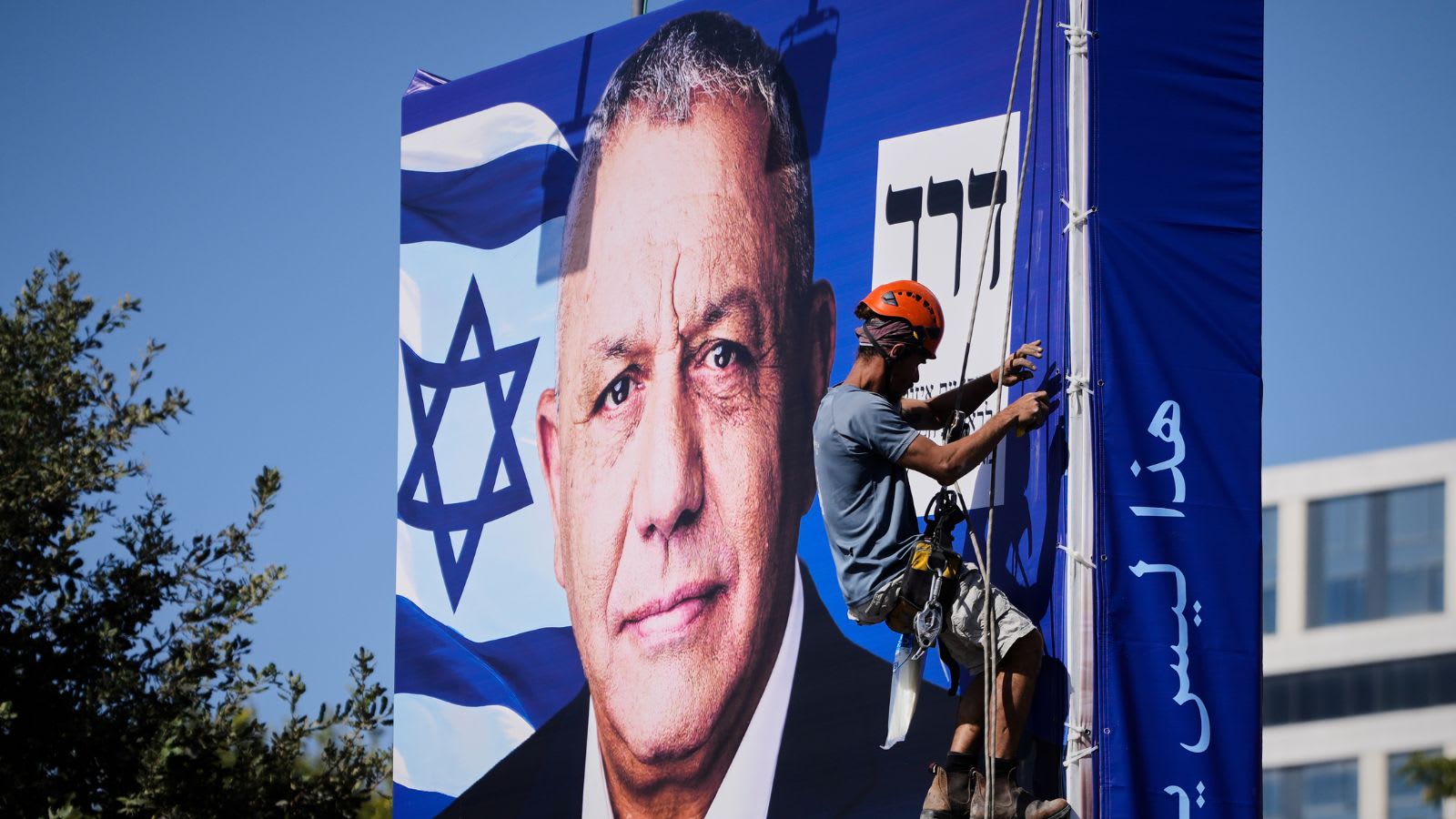
Former Israeli army chief Gadi Eisenkot has emerged as a significant challenger to Prime Minister Benjamin Netanyahu ahead of the October 27 election. Leading the Yashar party, Eisenkot is campaigning on military accountability following the October 7 Hamas attack, though the path to a governing majority remains complex for both blocs.
The Rise of Gadi Eisenkot: A New Challenger for Israel
In the landscape of Israeli politics, the upcoming October 27 election represents a critical juncture for Prime Minister Benjamin Netanyahu. His long-standing political dominance is currently being challenged by Gadi Eisenkot, a 66-year-old former Israel Defense Forces (IDF) chief of staff. Eisenkot’s rise from single-digit polling a year ago to a projected 20 to 23 seats for his Yashar party marks a significant shift in the electoral consciousness of the Israeli public.
Military Background and Political Ascent
Eisenkot’s candidacy is deeply rooted in his extensive military career, which began in 1978 with the Golani Brigade. Having served as the IDF chief of staff from 2015 to 2019 under Netanyahu himself, Eisenkot brings a unique perspective to the campaign. His transition from the military command structure to the head of the Yashar party highlights a broader trend where voters are increasingly looking toward figures with deep security expertise to navigate the nation's ongoing challenges.
The Shift in Political Discourse
The campaign has been heavily influenced by the aftermath of the October 7 attack by Hamas. Netanyahu’s political future appears to hinge on his ability to address the security failures associated with that event. In contrast, Eisenkot has positioned himself as a voice for military accountability. By emphasizing his background, he challenges the traditional narrative of the incumbent, forcing a debate on whether Netanyahu’s leadership is sufficient to address the security concerns that currently occupy the minds of Israeli voters.
Breaking Barriers: The Mizrahi Perspective
Beyond security policy, Eisenkot’s candidacy carries historical weight. As the son of Moroccan immigrants, should he be elected, he would become Israel’s first Mizrahi prime minister. This represents a potential milestone in Israeli political history, reflecting the evolving demographic and social dynamics within the country. His background provides a narrative of upward mobility and national service that resonates with a significant portion of the electorate.
The Challenge of Coalition Building
Despite his surge in the polls, Eisenkot faces the inherent difficulty of the Israeli parliamentary system. The Knesset requires a 61-seat majority to form a government. Current projections indicate that neither the pro-Netanyahu bloc nor the opposition coalition led by figures like Eisenkot is currently on track to achieve that threshold. This suggests that even if the Yashar party secures more seats than Likud, the path to power remains fraught with the necessity of complex coalition negotiations.
Future Trends and Implications
As the October 27 election approaches, the volatility of the polls underscores a deeply divided electorate. The competition between the established Likud party and the rising Yashar party highlights a struggle between legacy leadership and a demand for a new approach to national security. Regardless of the outcome, the emergence of Eisenkot has fundamentally altered the political calculus, ensuring that the issue of accountability will remain central to Israeli governance for the foreseeable future.