Punjab farm fires rise marginally to 574, still 66% below 2024 level
Source Entity
The Indian Express
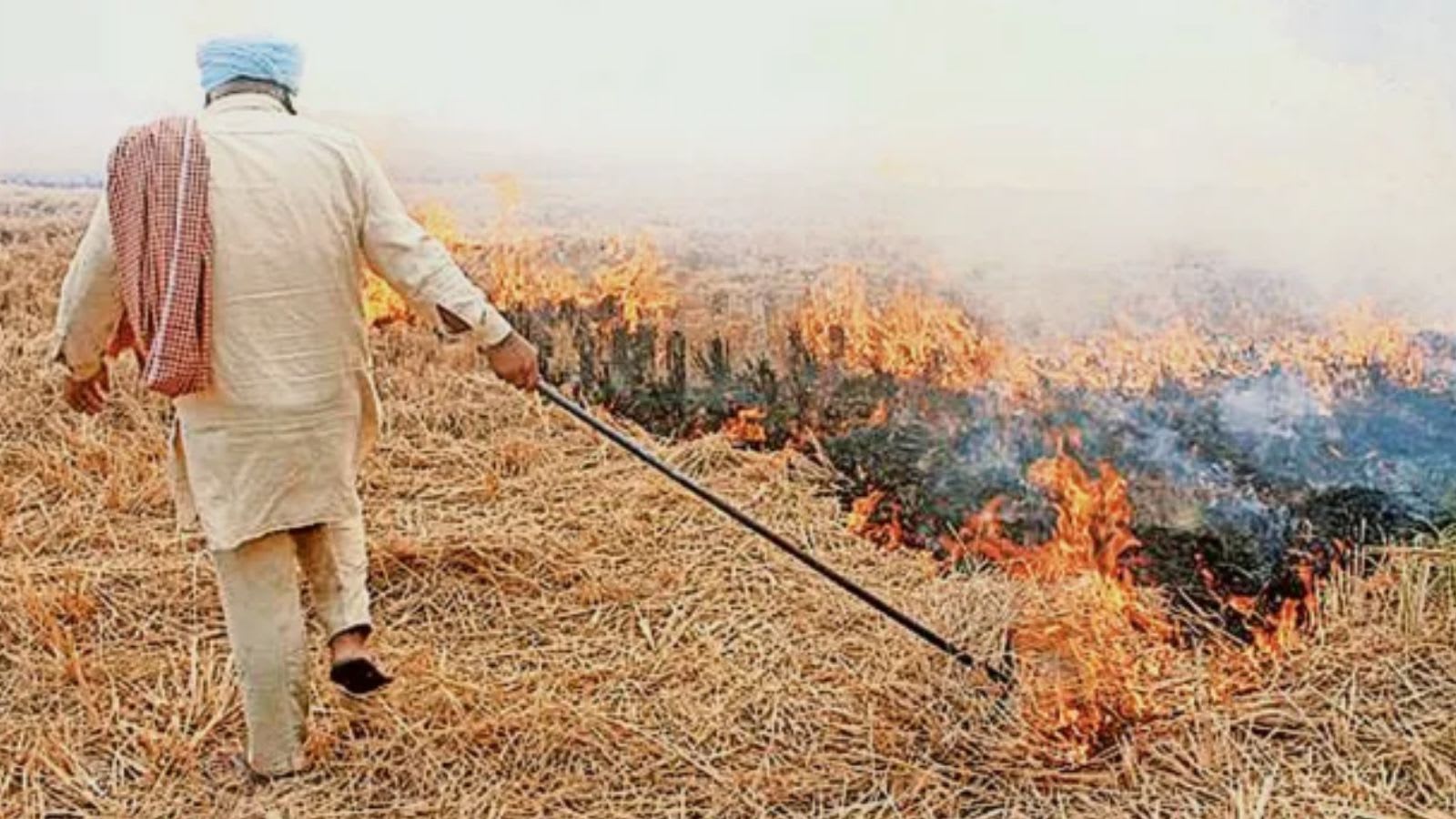
Punjab has seen a marginal 2.3% rise in farm fires this year, yet incidents remain 66% lower than in 2024. Experts argue that focusing solely on stubble burning overlooks the broader, multi-faceted causes of Delhi's winter air pollution.
The Evolving Landscape of Punjab Farm Fires
Recent data indicates that Punjab has recorded 574 satellite-detected farm fire incidents between September 15 and October 24, marking a 2.3% increase over the 561 incidents recorded during the same period in 2025. While this marginal uptick may appear concerning, the broader context reveals a significant downward trend in agricultural residue burning. Compared to the 1,678 incidents recorded in 2024, the current figures represent a substantial 65.8% decline, suggesting that efforts to mitigate stubble burning are largely sustaining their effectiveness.
Analyzing the Statistical Decline
The long-term data provides a more comprehensive perspective on the progress made in managing agricultural emissions. According to the Commission for Air Quality Management (CAQM), official paddy stubble fire events have plummeted from 71,304 in 2021 to 5,114 in 2025—a staggering 93% reduction. This indicates that while annual fluctuations like the current 13-incident increase occur due to seasonal variables, the overall trajectory over the last half-decade shows a clear departure from the high-frequency burning patterns of the past.
The Geographic Hotspots
Regional variations remain a critical component of the data, with districts like Tarn Taran emerging as primary focal points for stubble burning. With 270 incidents recorded in the current window, Tarn Taran accounts for nearly half of the state's total fire count. This concentration suggests that localized interventions, rather than blanket state-wide policies, may be necessary to address the specific economic or logistical barriers that prevent farmers in these high-incidence areas from adopting alternative crop residue management practices.
Beyond the Farmer: Addressing the Narrative
The annual cycle of Delhi’s toxic winter air often leads to the scapegoating of Punjabi farmers. While smoke from field fires does contribute to the degradation of air quality, experts argue that reducing a complex, regional environmental crisis to a single visual of burning fields is reductive. The reality of air pollution in Northern India involves a confluence of factors, including industrial emissions, vehicular traffic, construction dust, and meteorological conditions that trap pollutants over the Indo-Gangetic plain.
Implications for Policy and Future Trends
Moving forward, policymakers must shift the focus from punitive measures against farmers to systemic solutions. The significant reduction in fires since 2021 underscores that farmers are capable of transitioning to sustainable practices when provided with the necessary support and technology. Future trends suggest that if the current rate of decline holds, the contribution of farm fires to the winter smog will become secondary to urban and industrial pollution sources, necessitating a more balanced approach to regional air quality management.
Conclusion
In summary, the marginal rise in farm fires this year should be viewed against the backdrop of a massive, multi-year reduction in such events. While the persistence of fires in districts like Tarn Taran remains a challenge, the evidence highlights that the narrative of the 'farmer as the sole culprit' for Delhi's pollution is increasingly disconnected from the statistical reality. A holistic, evidence-based approach is required to address the multi-sectoral sources of air pollution in the region.