What a New Uber Eats Deal Means for GameStop Stock
Source Entity
Yahoo Finance
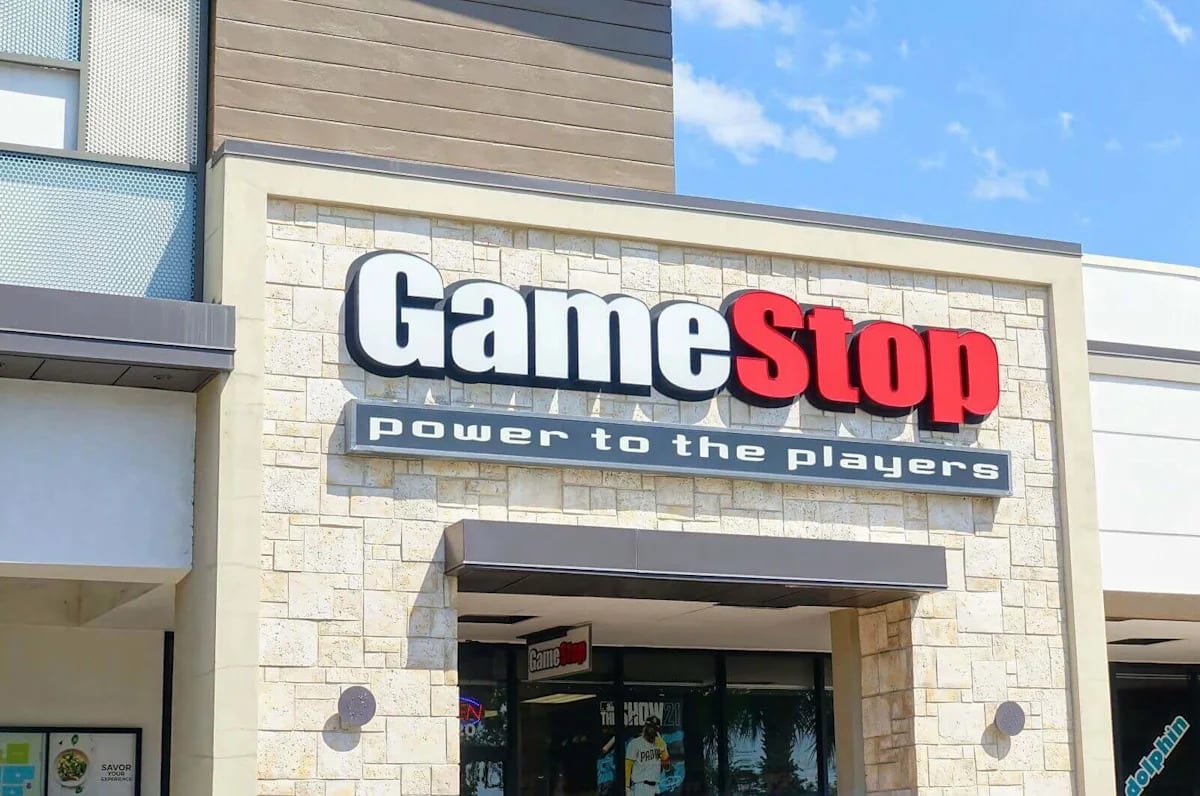
GameStop has partnered with Uber Eats to offer on-demand delivery of gaming products across the U.S. This strategic move aims to enhance the company's omnichannel presence and provide greater consumer convenience.
GameStop and Uber Eats: A Strategic Pivot Toward On-Demand Retail
GameStop (GME) has officially entered into a strategic partnership with Uber Eats, a move announced on July 15 that fundamentally alters how consumers interact with the retailer’s inventory. By integrating its product catalog—ranging from consoles and video games to accessories and collectibles—into the Uber Eats marketplace, GameStop is effectively decentralizing its retail presence. This initiative allows U.S. customers to bypass traditional shipping windows, opting instead for on-demand or scheduled delivery directly from local participating stores.
Advancing the Omnichannel Strategy
At its core, this partnership is a significant evolution of GameStop’s omnichannel strategy. In a retail landscape increasingly dominated by instant gratification, the ability to leverage Uber Eats’ massive logistics network provides GameStop with a competitive edge. By expanding its digital reach beyond its proprietary website and physical storefronts, the company is positioning itself to capture a segment of the market that prioritizes speed and convenience over traditional e-commerce fulfillment models.
Capturing the 'Launch-Day' Market
One of the most compelling aspects of this collaboration is the potential for GameStop to dominate the 'launch-day' gaming market. Historically, gamers have relied on pre-orders or midnight store visits to secure new releases. With Uber Eats, the friction of physical travel is removed, allowing customers to receive highly anticipated titles on the very day they drop without leaving their homes. This capability is expected to drive incremental sales and solidify GameStop’s relevance among time-sensitive consumers.
Responding to Changing Consumer Expectations
The retail sector has seen a rapid shift toward hyper-local delivery services, moving beyond food and groceries into specialized electronics and collectibles. GameStop’s move suggests an acknowledgment that the modern consumer demands a seamless integration of digital browsing and physical proximity. By tapping into the Uber Eats ecosystem, GameStop is not just selling products; it is selling the convenience of immediate access, which is crucial for maintaining brand loyalty in an era of digital-first competitors.
Broader Implications and Future Trends
Looking ahead, this partnership could serve as a blueprint for other specialty retailers looking to modernize their distribution channels. If the model proves successful in increasing sales volume and store traffic, we may see GameStop aggressively expand the number of participating locations. Furthermore, this trend signals a future where the distinction between a 'local store' and a 'delivery hub' continues to blur, forcing legacy retailers to prioritize logistics as much as their product offerings to stay competitive in an increasingly demanding market.