PHP Foundation ‘under-funded’ with one full-time staff member, director says
Source Entity
The Indian Express
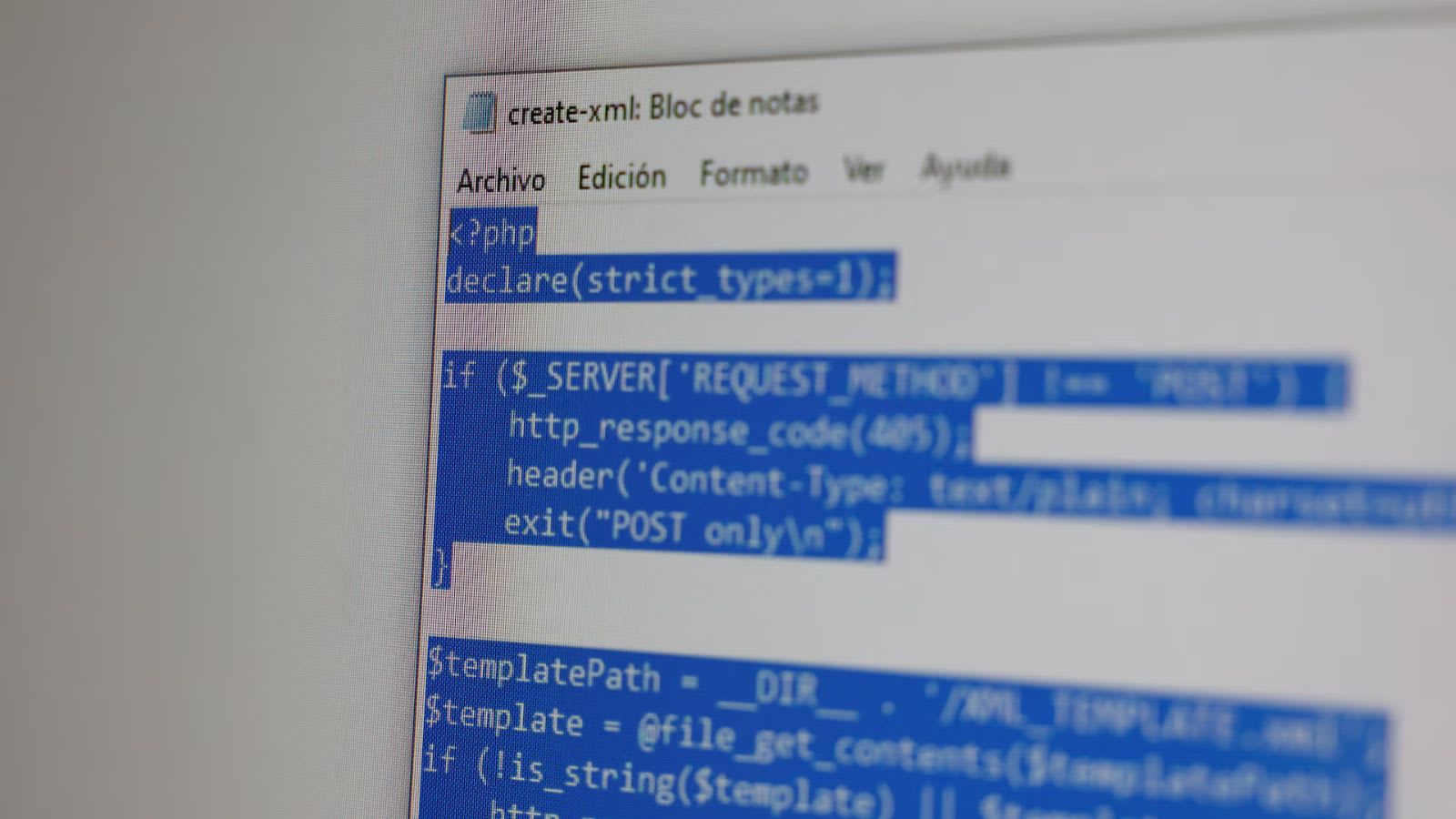
A critical vulnerability in the widely used PHP programming language has triggered a global security crisis, forcing governments and corporations to rush emergency patches. Cybersecurity experts describe the event as a massive exploitation effort, highlighting the systemic risk to millions of internet-facing services.
The PHP Security Crisis: A Global Digital Emergency
The technological landscape is currently grappling with a severe cybersecurity incident involving critical vulnerabilities within the PHP programming language. This situation, characterized by industry leaders as a rare and unprecedented event, has forced a massive, coordinated response from governments and global corporations alike. The urgency stems from the fact that PHP powers nearly 70% of the world's websites, making the discovery of these flaws a systemic risk to the stability of the modern internet.
The Anatomy of the 'Black October' Vulnerabilities
The crisis began following the disclosure of two critical flaws that allow for remote code execution on servers without the need for authentication. Security researchers identified these vulnerabilities in August, utilizing advanced AI models from OpenAI and Google to uncover the weaknesses. As these details permeated the digital ecosystem, the result was an immediate and aggressive wave of automated exploitation attempts that have overwhelmed security teams worldwide.
Unprecedented Scale and Industry Reaction
The sheer volume of attacks has been described as staggering. John Milinovich, senior director of product management at Figma, noted that the intensity of these cyberattacks over a 48-hour period eclipsed what would typically be considered a 'worst-case' scenario for an entire year. Microsoft CEO Satya Nadella publicly addressed the gravity of the situation, noting that he had not witnessed a security scramble of this magnitude in a long time. The ripple effects have been felt across every sector, from banking and education to major technology infrastructure, causing organizations to temporarily suspend online operations to prioritize the deployment of emergency patches.
Mitigation and Technical Response
In direct response to the escalating threats, the PHP project issued urgent guidance on October 21 and October 23. The primary mitigation strategy involves temporarily disabling the 'session upload progress' feature, a move intended to neutralize the risk until a permanent bugfix release can be distributed. The vulnerability specifically impacts applications where specific session settings are active alongside this feature. Users who have proactively disabled this functionality have been advised that no further immediate action is required, though vigilance remains high.
Broader Implications for Global Security
This incident serves as a stark reminder of the fragile nature of our digital infrastructure. With India ranking ninth globally in terms of exposed services running PHP, the geographical reach of this event is truly borderless. The fact that AI tools were instrumental in both the discovery of these flaws and the subsequent rapid weaponization of the code underscores a new, precarious era in cybersecurity. As organizations navigate this 'Black October,' the event will likely lead to a long-term shift in how software dependencies are managed and how quickly security teams can respond to AI-assisted threat discovery.