Opposition must play constructive role in passing Delimitation Bill: Kiren Rijiu
Source Entity
Lalmani Verma
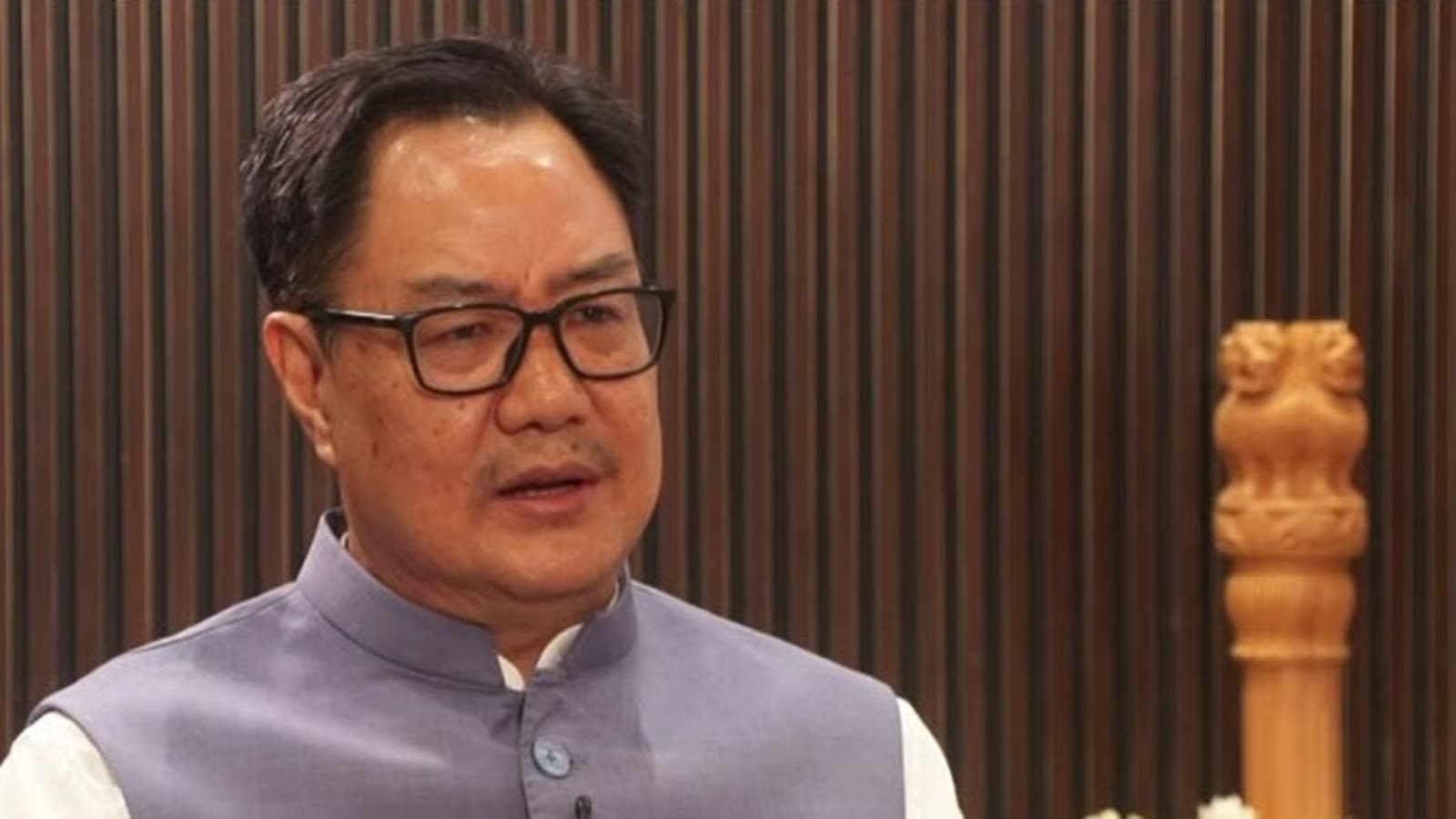
The Indian government has rejected Congress's demand for fresh delimitation talks, citing prior consultations with other opposition parties. Tensions remain high following the failure of the 2026 Constitution Amendment Bill to secure a two-thirds majority.
The Delimitation Deadlock: Government and Opposition at Odds
Recent developments in New Delhi indicate a deepening rift between the Union government and the Congress party regarding the proposed delimitation of Lok Sabha constituencies. Parliamentary Affairs Minister Kiren Rijiju has publicly rebuffed demands from Congress president Mallikarjun Kharge for an all-party meeting to discuss fresh delimitation proposals. The government maintains that it has already engaged in sustained dialogue with various opposition entities, including the Samajwadi Party, DMK, and NCP (SP), casting the Congress party’s repeated requests as unnecessary and obstructive.
The Legislative Context of 2026
At the heart of this confrontation is the Constitution (One Hundred and Thirty-First Amendment) Bill, 2026. This landmark legislation sought to expand the Lok Sabha's seating capacity to 850 while concurrently implementing a 33% reservation for women. The bill reached a critical impasse on April 17, 2026, when it failed to pass the Lok Sabha. Despite gathering significant support, the 298 votes in favor fell short of the required two-thirds majority, as 230 members voted against the motion.
Claims of Consultation vs. Obstructive Politics
Minister Kiren Rijiju has been vocal in defending the government's procedural record. By emphasizing that the administration has actively sought consensus, he aims to counter the narrative that the government is bypassing parliamentary norms. The government’s stance is that the Congress party’s insistence on further consultation ignores the reality of previous outreach efforts. This has fueled speculation that the government may soon call for a special, short-duration Parliament session to reintroduce or push forward with the legislation.
The Need for Constructive Cooperation
The government’s rhetoric suggests a shift toward blaming the opposition for legislative stagnation. Rijiju has explicitly called for a more 'constructive role' from opposition parties, arguing that repeating demands for dialogue without acknowledging past efforts hinders the democratic process. This friction highlights a broader challenge in the Indian parliamentary system: the difficulty of achieving the supermajority required for constitutional amendments when the political climate is highly polarized.
Future Trends and Implications
As the 2029 general elections approach, the pressure to finalize the delimitation process and the women’s reservation rollout is mounting. The failure of the 2026 bill serves as a cautionary tale for the government, suggesting that without a broader consensus, significant constitutional changes remain vulnerable to defeat. If the government proceeds with a new session, it will likely be a high-stakes effort to secure the necessary votes by either building new alliances or pressuring the opposition to align with the proposed expansion of the lower House.
Multiple Citing Sources