Revenue plots allotted only after following rules: Gujarat govt defends move to gift land to Yusuf Pathan
Source Entity
Parimal A Dabhi
The Gujarat government has defended its decision to allot a disputed plot of land to former cricketer Yusuf Pathan, asserting that all legal regulations were followed. The move has drawn attention due to Pathan's recent shift in political affiliation from the TMC to the NCPI.
Controversy Over Land Allotment to Yusuf Pathan
The Gujarat government has recently found itself at the center of a public and political debate following the decision to allot a disputed plot of land to former Indian cricketer Yusuf Pathan. The move, which surfaced shortly after Pathan’s departure from the Trinamool Congress (TMC) and his subsequent alignment with the Nationalist Citizens Party of India (NCPI), has prompted questions regarding the transparency and criteria used for such government land distributions.
Government Defense and Procedural Stance
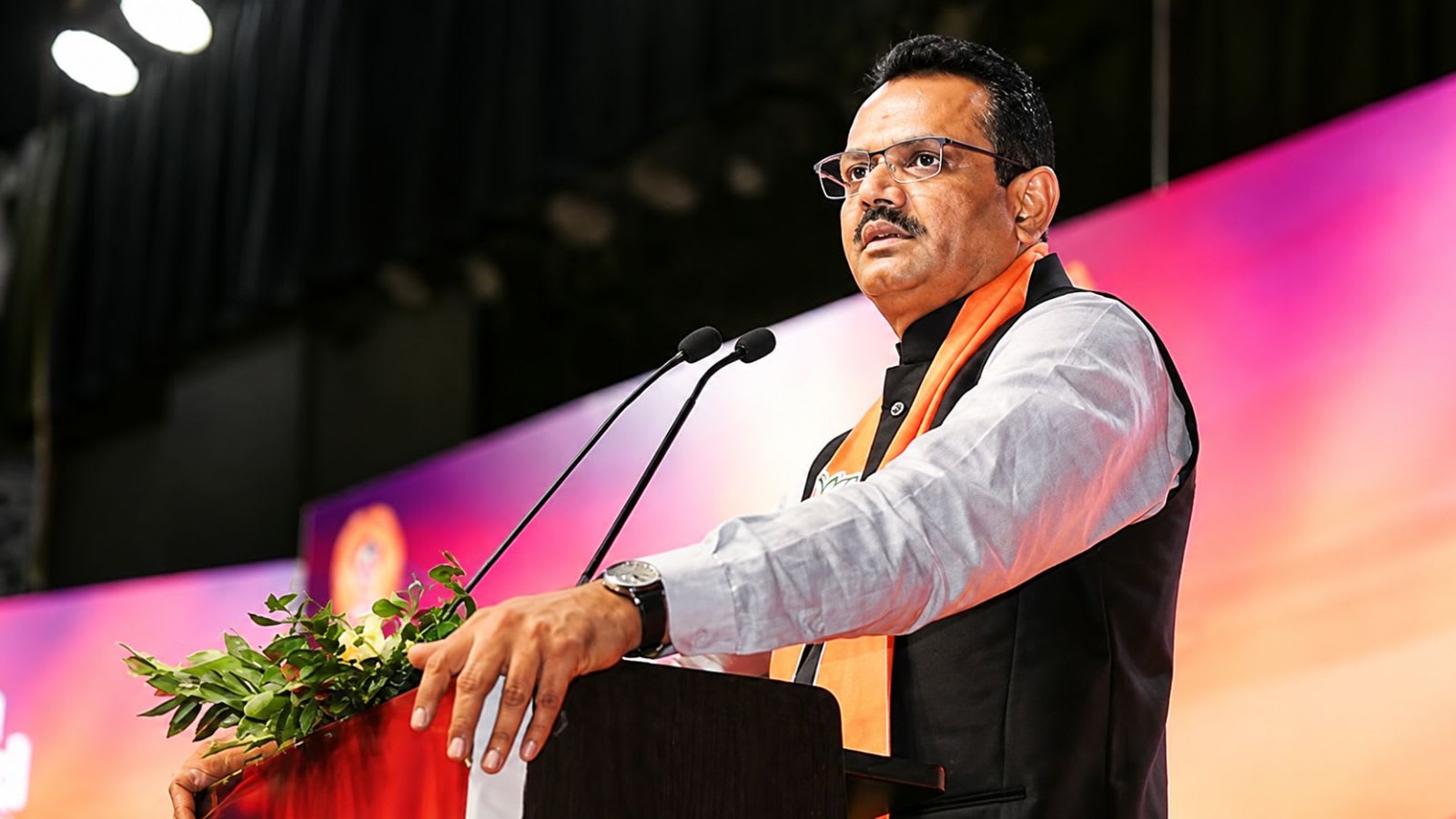
During a weekly media briefing following a state Cabinet meeting, Gujarat government spokesperson and senior minister Jitu Vaghani addressed the controversy head-on. Vaghani defended the administration's actions by emphasizing that the allotment was processed strictly in accordance with prevailing rules and regulations. By asserting that the government does not bypass legal frameworks, the administration seeks to insulate itself from accusations of political favoritism, especially given the high-profile nature of the beneficiary.
Broader Context of Land Regularization
Beyond the specifics of the Pathan case, Minister Vaghani contextualized the decision by highlighting the broader administrative efforts of the Bhupendra Patel-led government. He noted that the state has been actively facilitating land allotments and regularizing land parcels for the general public. This framing suggests that the government views the Pathan case as part of a routine administrative process rather than an exceptional or politically motivated concession.
Political Implications of the Shift
The timing of this land resolution is particularly sensitive given Yusuf Pathan’s recent political maneuvering. His transition from the TMC to the NCPI adds a layer of political scrutiny to any government-granted benefits. In the Indian political landscape, land allotment cases involving public figures are frequently scrutinized for potential conflicts of interest, making the government's insistence on adherence to 'prevailing rules' a critical component of their defensive strategy.
Procedural Transparency and Future Trends
The Gujarat government’s recent resolution to grant approval for the plot indicates a commitment to finalizing long-standing disputes. As the state continues to manage land resources, the public expectation for transparency in these allotments will likely grow. The government's ability to demonstrate that such allocations are merit-based and legally sound will be essential in maintaining public trust and avoiding further political litigation.
Conclusion
In conclusion, while the allotment of the disputed plot to Yusuf Pathan has ignited debate, the Gujarat government maintains that the decision is legally defensible and consistent with their broader policies on land regularization. By emphasizing that the process followed established guidelines, the administration aims to quell skepticism. Moving forward, the case will likely serve as a benchmark for how the state handles similar land-related requests involving high-profile individuals.