Attacks on CPI(M) book stalls unacceptable: Bengal Minister Swapan Dasgupta
Source Entity
Atri Mitra
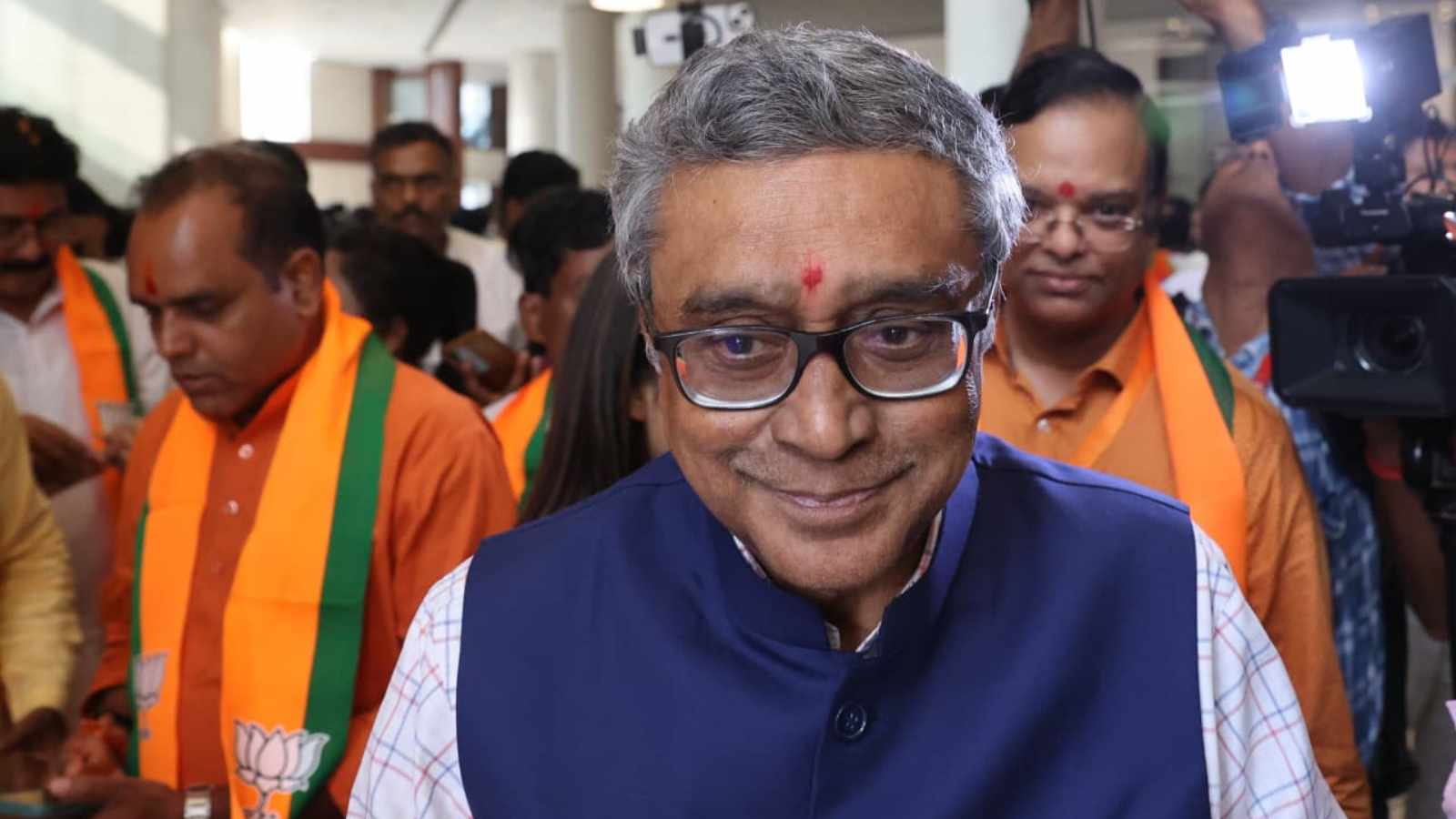
Prominent leaders from the RSS and the West Bengal BJP have publicly condemned the recent vandalism of CPI(M) book stalls at Durga Puja pandals. These officials labeled the attacks as cowardly and unacceptable, distancing their ideological factions from the disruptive behavior.
The Clash of Ideology at West Bengal's Durga Puja
The recent spate of vandalism targeting book stalls set up by Left parties at various Durga Puja pandals across West Bengal has triggered an unusual alignment of criticism from across the political spectrum. While West Bengal's political landscape is notoriously fraught with intense rivalry between the Left, the BJP, and the ruling party, the condemnation of these attacks by senior RSS functionary Jishnu Basu and BJP leader Swapan Dasgupta highlights a rare moment of consensus regarding the sanctity of intellectual expression.
Condemnation from the Right
Jishnu Basu, the Saha Khetra Prachar Pramukh of South Bengal for the RSS, issued a stern rebuke against those responsible for the destruction. He explicitly categorized those who use police power to shutter book stalls or resort to physical vandalism as "cowards" who fail to grasp the deeper tenets of Hinduism. By framing the act as a lack of "valour," the RSS leadership has sought to distance its ideological base from the aggressive tactics employed against the CPI(M) literature displays.
A Defense of Intellectual Dissent
West Bengal Minister Swapan Dasgupta echoed these sentiments with significant moral weight. Despite his well-documented and long-standing ideological opposition to the Left, Dasgupta characterized the recurring nature of these attacks as "unacceptable." His statement that he felt "ashamed" after witnessing the destruction in multiple locations underscores a commitment to the democratic principle that political disagreement should not manifest as the suppression of literature or physical intimidation.
The Pattern of Political Anarchy
Contextually, these incidents are being viewed as part of a broader, volatile atmosphere of political friction in the state. West Bengal Leader of the Opposition Suvendu Adhikari has framed the current climate as an attempt by supporters of various factions to incite anarchy. The recurring nature of these attacks at multiple locations suggests a coordinated effort to silence opposition, which has drawn the ire of even those who are staunchly opposed to the Left's political ideology.
Broader Implications for Civil Discourse
The involvement of the state police in closing down certain stalls, as noted by RSS leadership, raises critical questions regarding the role of law enforcement in political disputes. When police action is perceived as an extension of political patronage rather than a neutral arbiter of legality, it risks eroding public trust. The demand for transparency and a return to civil discourse, as voiced by BJP and RSS figures, suggests that the normalization of political violence in West Bengal is facing resistance from within the right-wing ecosystem itself.
Conclusion
As West Bengal navigates this period of intense political polarization, the condemnation of attacks on CPI(M) book stalls serves as a vital indicator of the boundaries of political conduct. By rejecting the destruction of books—even those written by ideological adversaries—these leaders are attempting to reclaim a space for democratic debate. Whether this stance will effectively curb the trend of political vandalism remains to be seen, but it marks a significant attempt to preserve the cultural and intellectual heritage of the state during its most celebrated festival.