The real reasons US politicians are getting older
Source Entity
BBC News
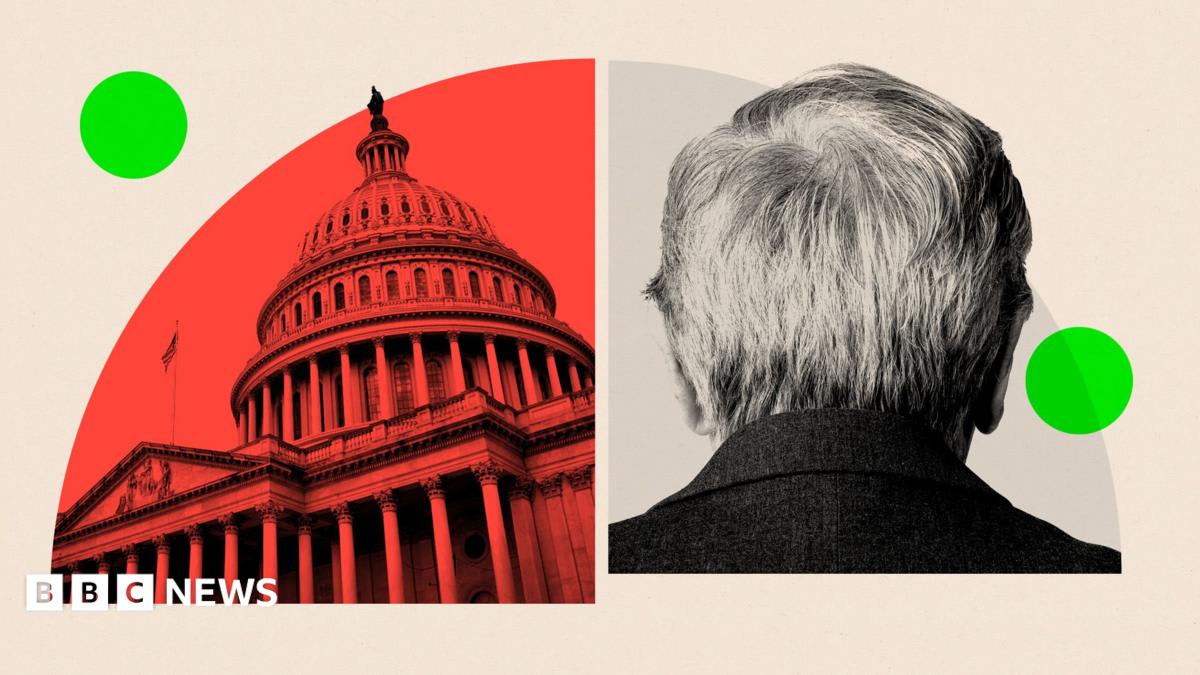
The aging of the U.S. political class, or gerontocracy, is under scrutiny as young candidates like Riley Owen struggle to break through. This shift highlights a widening generational divide and a growing desire for reform in congressional representation.
The Rise of Gerontocracy in American Politics
The American political landscape is increasingly defined by a phenomenon often described as a gerontocracy—a system of government where the leadership is significantly older than the general population. This trend is not merely a matter of demographics but represents a structural consolidation of power among career politicians who have occupied seats for decades. The emergence of young candidates like 27-year-old Republican Riley Owen serves as a stark reminder of the uphill battle facing Gen Z, who remain vastly underrepresented in the halls of Congress despite the urgent need for fresh perspectives on modern issues.
The Generational Divide and Policy Priorities
Riley Owen’s candidacy in Utah’s newly created 1st congressional district highlights the disconnect between the current political establishment and the younger electorate. While traditional political platforms are often dominated by entrenched interests, Owen has centered his campaign on issues that resonate deeply with younger voters, such as paid maternity leave, stricter regulations on congressional stock trading, and aggressive environmental action. By championing these causes, Owen is attempting to bridge the gap between his generation and the Democratic-leaning demographic of his district, demonstrating how younger candidates are forced to navigate ideological flexibility to find a foothold.
The Challenge of the 'Career Politician' Model
At the core of the issue is the culture of the career politician. As Owen noted, the grip of aging leaders is a bipartisan struggle that transcends traditional party lines. The institutional advantages—such as seniority, established fundraising networks, and name recognition—make it incredibly difficult for candidates in their early teens to late 20s to compete. This creates a cycle where the legislative agenda is consistently tailored to the priorities of older generations, potentially alienating younger voters who feel their concerns regarding the 'American Dream' are being ignored or misunderstood by those who have been in power for decades.
Symbolic Shifts and the Call for Renewal
Owen’s campaign launch, underscored by the choice of Billy Joel’s 'We Didn't Start the Fire,' functions as a symbolic critique of the current political environment. By framing his run as a necessity for 'renewing the American Dream,' he highlights the frustration felt by many in his generation who believe the current guard is failing to address long-term systemic problems. This sentiment is not limited to his district; it reflects a broader national fatigue with a political system that appears increasingly static and resistant to the influx of new, younger voices.
Future Implications and Reform
The prevalence of older politicians in the U.S. system suggests that without significant shifts in voter behavior or potential structural reforms, the gerontocracy will likely persist. The future of American politics will depend on whether younger generations can successfully challenge the status quo or if they will continue to be sidelined by the institutional barriers that favor longevity over innovation. If candidates like Owen can gain traction, they may signal the beginning of a generational transition, but for now, they remain the exception rather than the rule in a system designed to keep the status quo firmly in place.