Beyond the name: The fault lines in the Centre’s Ladakh proposal
Source Entity
Bashaarat Masood
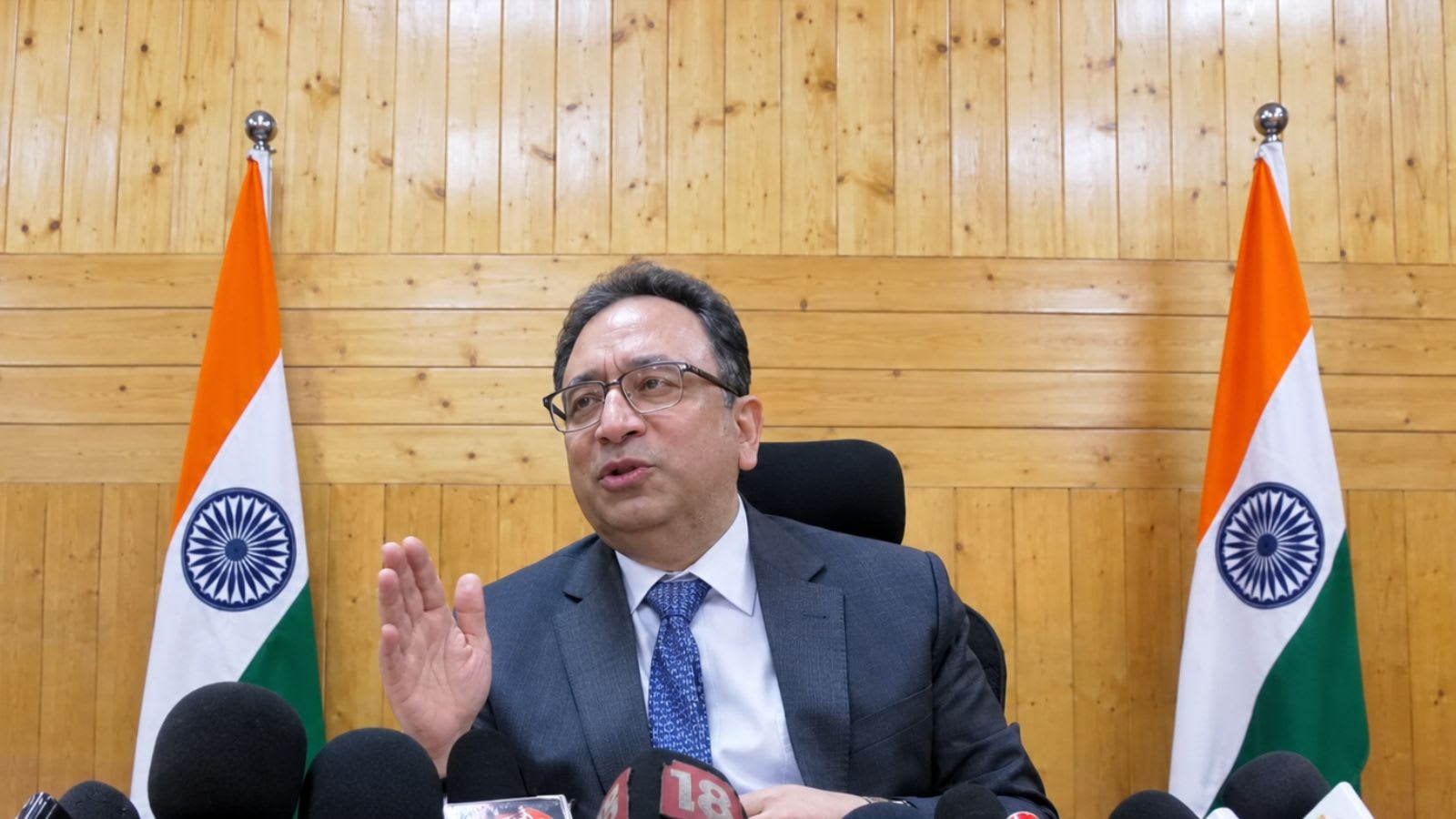
Negotiations between the Indian government and Ladakh representatives regarding constitutional safeguards have stalled. Despite initial progress toward an Article 371(K) body, both sides remain divided over naming conventions and deeper structural demands.
The Fragile Path to Ladakh’s Constitutional Status
Following the violent protests earlier this year that resulted in four fatalities and 44 injuries, the geopolitical landscape of Ladakh has remained volatile. The unrest, fueled by demands for statehood and protection of local identity, prompted the Union Home Ministry to initiate a dialogue with a sub-committee of regional representatives. The initial optimism observed in May, when both parties signaled a breakthrough regarding a "first-of-its-kind" constitutional body, has since evaporated, revealing deep-seated mistrust and divergent priorities.
The Article 371(K) Proposal
The central government’s proposal centers on the creation of a specialized Union Territory-level body under Article 371(K). This legislative maneuver is intended to provide a bespoke framework for safeguards that respects the unique cultural and demographic sensitivities of the Ladakh region. However, the requirement for Parliamentary approval adds a layer of complexity, as it necessitates a formal codification of these rights that must satisfy both the legal requirements of the Union and the political aspirations of the local populace.
The October 15 Standoff
The most recent negotiations held on October 15 in Leh served as a stark reminder of the fragile nature of these talks. While Chief Secretary Ashish Kundra indicated that the discourse had become bogged down in semantics—specifically the "question of the name" of the proposed body—regional representatives argue that the impasse is far more systemic. The breakdown suggests that while the nomenclature is a point of contention, it likely masks fundamental disagreements regarding the actual power, autonomy, and jurisdictional authority the body would wield.
Divergent Perspectives and Trust Deficits
The blame game currently unfolding between the Union Home Ministry and the local stakeholders highlights a significant trust deficit. For the local representatives, the memories of the recent protests and the loss of life remain a potent driver, pushing them toward seeking ironclad guarantees rather than symbolic gestures. Conversely, the Centre appears to be attempting to balance regional demands with the broader administrative framework of a Union Territory, leading to a clash between local self-determination and central oversight.
Broader Implications for Himalayan Governance
This standoff is not merely a local administrative dispute; it represents a broader challenge in how the Indian state integrates and governs sensitive border regions. The precedent set by any agreement in Ladakh will likely influence future dialogues regarding constitutional safeguards in other parts of the country. If the parties fail to reach a compromise, the potential for renewed unrest remains high, which would further complicate the security and administrative stability of this strategic region.
Future Outlook
Looking ahead, the path toward a resolution will require a shift from rigid bargaining to a more flexible model of cooperative federalism. Unless the government can address the substantive concerns of the Ladakhi people—beyond the naming of institutions—the current impasse is likely to persist. Future progress will depend on whether the Centre is willing to delegate meaningful legislative authority through Article 371(K) or if the current deadlock will lead to a long-term suspension of the dialogue process.