Gujarat records 49.79 million-tonnes drop in carbon emissions in 2025-26
Source Entity
India Latest News: Top National Headlines Today & Breaking News | The Hindu
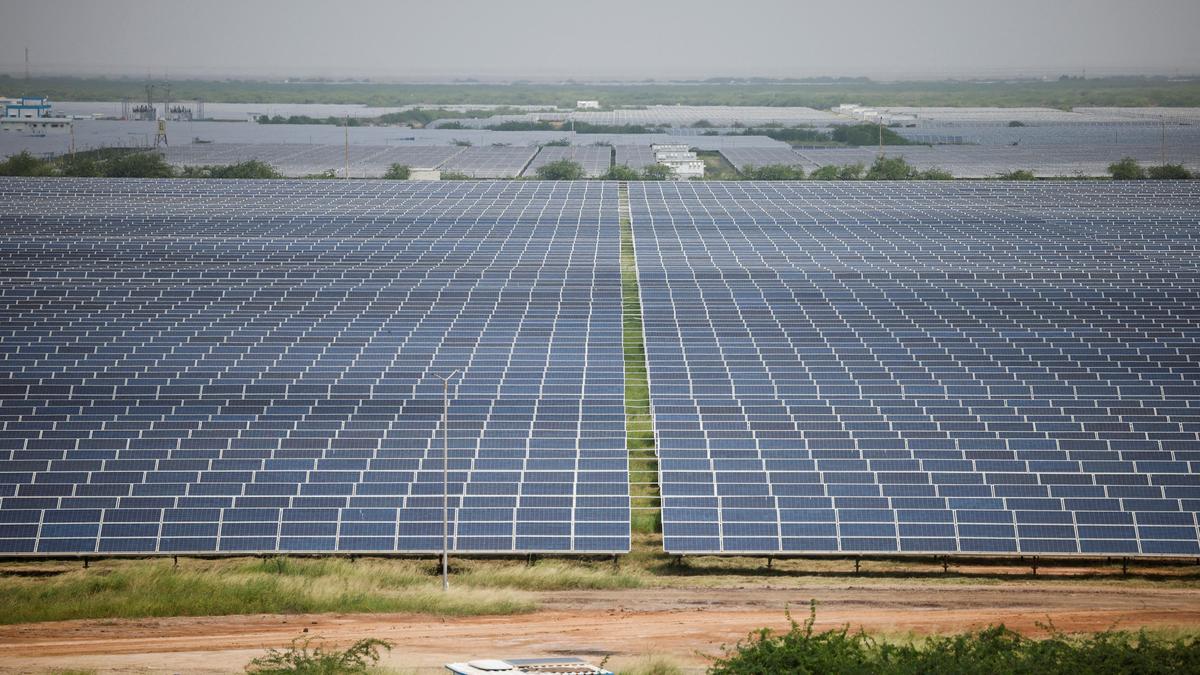
Gujarat has achieved a record reduction of 49.79 million tonnes of carbon emissions in the 2025-26 fiscal year. This milestone was driven by a historic surge in renewable energy generation, totaling 67,655 million units.
Gujarat's Landmark Achievement in Decarbonization
In a significant development for India's environmental trajectory, Gujarat has reported its most substantial annual reduction in carbon emissions to date. During the 2025-26 financial year, the state successfully prevented an estimated 49.79 million tonnes of carbon dioxide equivalent (MtCO₂e) from entering the atmosphere. This achievement highlights a pivotal shift in the state's industrial and energy landscape, moving away from traditional carbon-heavy dependencies toward a more sustainable framework.
The Renewable Energy Catalyst
The primary driver behind this record-breaking reduction is the state's aggressive pivot toward clean energy. Gujarat generated a historic 67,655 million units of electricity through renewable sources, marking a major milestone in its infrastructure development. By scaling solar, wind, and other green energy projects, the state has effectively decoupled its economic growth from rising greenhouse gas emissions, setting a blueprint for other industrial hubs across the nation.
A Five-Year Strategic Outlook
This recent performance is not an isolated success but the culmination of a broader five-year strategy. Over this period, the state has prevented a cumulative 179 million tonnes of carbon emissions. This success is attributed to a combination of proactive environment-friendly policies and consistent support for green initiatives. The cumulative data suggests that the state’s long-term planning regarding land allocation and grid integration for renewable energy is yielding tangible results.
Addressing Industrial Challenges
Despite the scale of this achievement, officials have contextualized the figures against the state's overall annual greenhouse gas output. As an industrial powerhouse, Gujarat faces unique challenges in decarbonizing heavy sectors. The current reduction is a critical step in mitigating the environmental impact of these industries, proving that large-scale manufacturing and aggressive climate targets are not mutually exclusive when supported by robust renewable energy infrastructure.
Future Implications and Trends
Looking forward, the success of the 2025-26 fiscal year suggests that Gujarat is well-positioned to meet even more stringent climate goals. The trajectory of renewable energy generation indicates that future trends will likely involve further diversification of the energy mix, potentially integrating advanced storage solutions to manage the intermittency of solar and wind power. As the state continues to refine its green policies, it is likely to remain a central player in India’s national commitment to achieving net-zero targets.
Conclusion
In summary, Gujarat's record-breaking reduction in carbon emissions represents a watershed moment for environmental governance in India. By leveraging record-high renewable energy output and sustained policy efforts, the state has demonstrated that measurable climate action is achievable at scale. This performance provides a vital benchmark for future sustainability efforts both within the state and across the broader region.
Verification Required?