Over 1000 rescued in 48 hours from flooded industrial park, Amazon warehouse in rural Ahmedabad
Source Entity
Brendan Dabhi
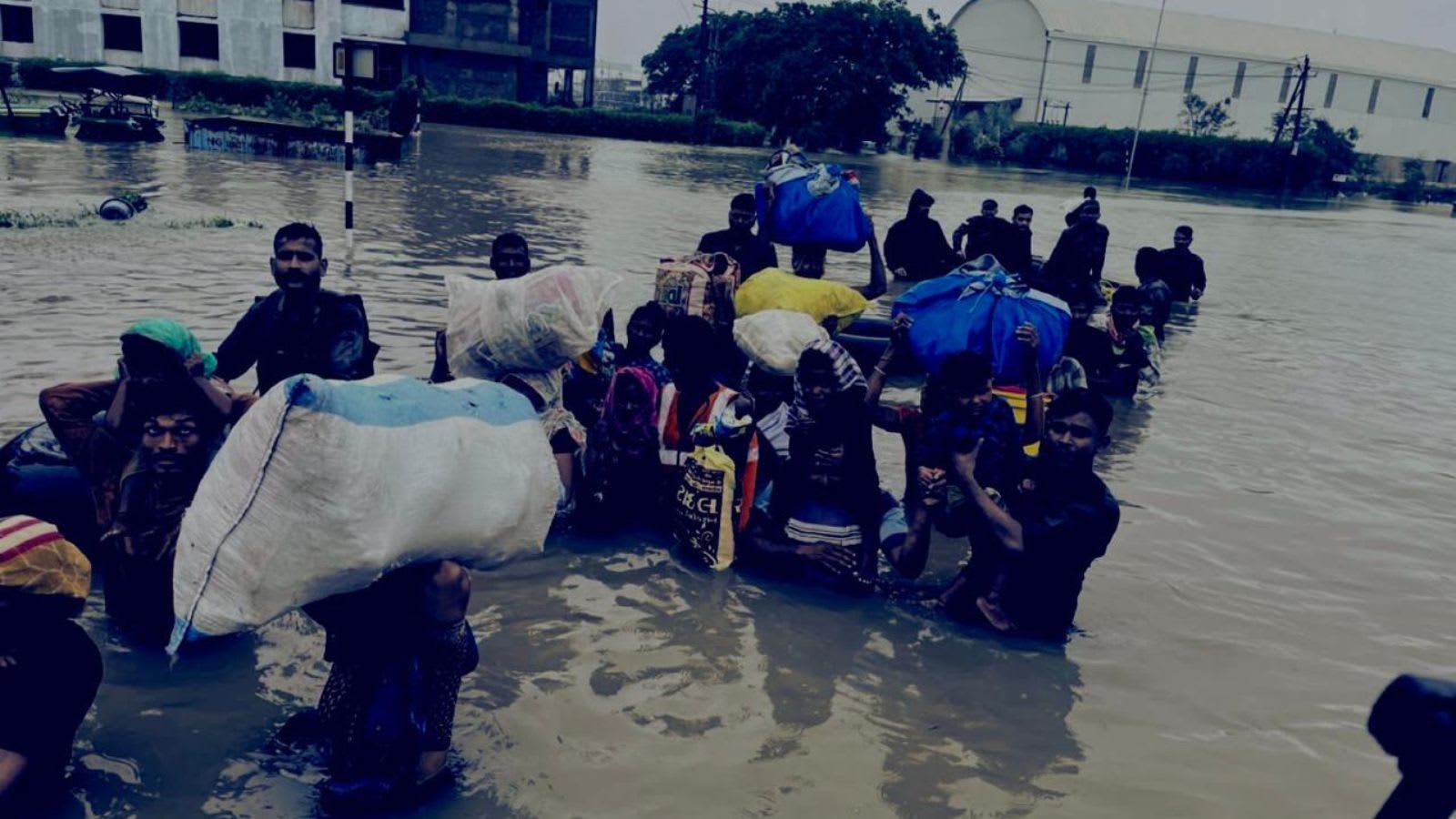
Gujarat is facing a severe flood crisis after heavy rainfall caused 14 dams to reach full capacity and triggered over 40 deaths. Emergency operations have seen the Army and police rescue over 1,000 people from trapped industrial hubs and warehouses.
Gujarat's Sudden Shift: From Monsoon Deficit to Flood Crisis
Gujarat, a state often characterized by its complex water management challenges, has experienced a dramatic and dangerous reversal of fortune. After navigating a period of significant concern regarding a delayed monsoon, the region was struck by intense rainfall that delivered over 750 million cubic meters (MCM) of water into its reservoir network within a mere 120-hour window. This rapid influx has turned a state-wide water security worry into an urgent, high-stakes flood watch, highlighting the vulnerability of the region's infrastructure to extreme weather volatility.
Infrastructure Under Pressure
The strain on Gujarat's water resources is evidenced by the state of its reservoirs. According to the State Water Resources Department, 14 major dams have reached 100% capacity, with eight of these situated in the critical South Gujarat region. An additional 21 dams remain under high alert. Major infrastructure projects, such as the Damanganga scheme, are currently operating on a knife-edge, managing massive inflows of 55,300 cusecs while discharging 53,000 cusecs to maintain structural integrity. In Navsari, the Jhuj and Kelia dams are similarly engaged in controlled spillages to prevent overflow.
Human Toll and Disaster Response
The human cost of this sudden deluge has been severe, with nearly 40 rain-related deaths reported across the state as of Saturday. The districts of Valsad and Navsari have been hardest hit, accounting for 33 of these fatalities, primarily due to drowning and electrocution. These figures serve as a sobering reminder of the lethal potential of flash flooding in densely populated and rural areas alike, as emergency responders struggle to manage the dual threats of rising water levels and failing electrical infrastructure.
Industrial Hubs and Logistics Disruption
The flooding has caused profound disruption to Gujarat’s economic lifeline, particularly along the Ahmedabad-Rajkot corridor. In one of the most significant rescue operations in recent memory, the Army’s Golden Katar Division and local police rescued over 1,000 individuals from the Sarkhej-Bavla industrial belt. This included the dramatic evacuation of 82 people from an Amazon warehouse in Rajoda village and over 900 workers from the Gallops Industrial Park. The physical damage to logistics is equally concerning; the 60-km NH 47 remains closed, paralyzing transport between major commercial centers.
Broader Implications and Future Trends
This event underscores the inherent fragility of rapid industrialization in flood-prone zones. The closure of critical transport links like the Ahmedabad-Viramgam state highway, which serves key auto hubs in Sanand and Mandal, illustrates how localized flooding can have cascading effects on the state's manufacturing output. Furthermore, despite the current deluge, the state technically remains in a deficit compared to historical storage levels from July 2025, suggesting that Gujarat’s water management policy must evolve from mere storage to sophisticated, real-time flood mitigation and disaster-resilient industrial planning.
Conclusion
As the waters begin to recede, the focus in Gujarat will inevitably shift toward recovery and the long-term assessment of its disaster response mechanisms. The success of the Army and police in rescuing over 1,000 stranded individuals is a testament to the efficacy of the state's emergency protocols, yet the loss of life remains a tragic indictment of the challenges posed by unpredictable weather patterns. Moving forward, the state must balance its need for water security with the imperative of protecting its industrial workforce and infrastructure from the increasing frequency of extreme climate events.