Just Like That: The collapse beneath our feet
Source Entity
Latest News: Todays Latest News Headlines from India & World | Hindustan Times | Hindustan Times
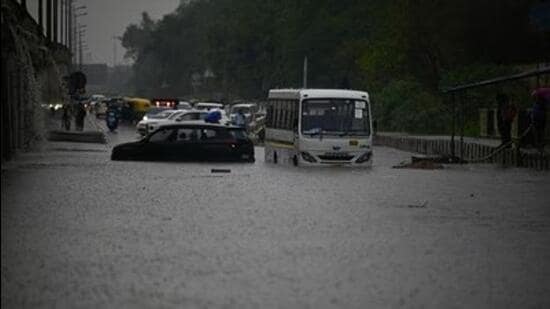
India's urban infrastructure is suffering from systemic neglect, leading to frequent collapses, waterlogging, and failing public services. This recurring crisis highlights deep-seated issues in municipal governance and long-term urban planning.
The Erosion of Urban Resilience in India
India’s urban centers are currently grappling with a crisis of infrastructure that has transcended mere episodic failure, evolving into a systemic collapse of municipal governance. From waterlogged streets that paralyze transit to road surfaces that cave in after minimal rainfall, the physical foundation of the nation's cities is showing extreme signs of degradation. This deterioration is not merely a byproduct of weather events but a reflection of deep-seated structural neglect.
The Anatomy of Municipal Neglect
At the core of this failure is a cycle of inadequate maintenance and poor execution. Newly laid asphalt, often touted as a mark of progress, frequently develops dangerous potholes within months, signaling a lack of accountability in contractual oversight. When garbage collection contracts fail to keep pace with urban density and sewage systems overflow into residential zones, the result is a public health crisis that further diminishes the quality of life for millions of urban dwellers.
Systemic Corruption and Infrastructure Longevity
Experts point to systemic issues—ranging from corruption in public works tendering to the absence of long-term urban planning—as the primary drivers of this decay. When the focus shifts from durable, high-quality engineering to short-term, low-cost fixes, the long-term cost to the exchequer and the public increases exponentially. This culture of 'quick fixes' leaves the citizenry with inadequate services that are ill-equipped to handle the pressures of rapid urbanization.
The Paradox of Water and Power
The irony of modern Indian urban life is the coexistence of severe water shortages alongside frequent, paralyzing flooding. This dichotomy highlights a failure in water management and drainage infrastructure. Similarly, the uncertainty of electricity supply in vast swathes of the country, coupled with the loss of open green spaces to relentless, unplanned concrete construction, underscores a disregard for sustainable development. These factors collectively render the urban environment increasingly unbreathable and dysfunctional.
Future Implications and Policy Challenges
Looking ahead, if these infrastructure failures continue unabated, the economic productivity of India’s cities will inevitably suffer. Reliable transport and utility services are the bedrock of a functioning economy. Without a radical overhaul of municipal accountability and a transition toward climate-resilient engineering, Indian cities risk falling into a cycle of permanent repair rather than sustainable growth. The path forward requires a shift from reactive crisis management to proactive, transparent, and robust infrastructure maintenance.
Verification Required?