Gujarat's Lion Paradox: Why Big Cat Boom Poses A New Test For Authorities
Source Entity
NDTV News Search Records Found 1000
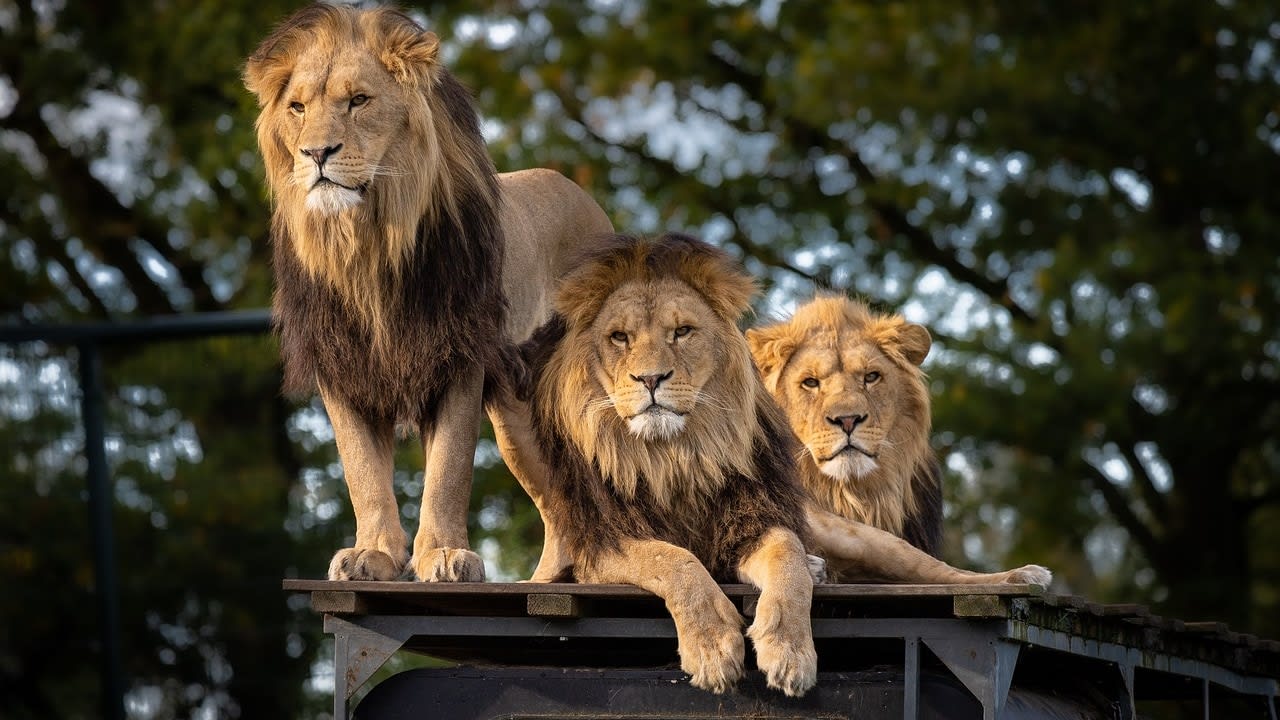
The Gujarat forest department has implemented a strict new framework to manage the movements of predators. This initiative aims to address the challenges arising from a significant increase in the Asiatic lion population.
The Lion Paradox: Balancing Conservation Success with Management Reality
Gujarat is currently facing a unique ecological challenge termed the "Lion Paradox." While the state has seen a successful "big cat boom"—a significant increase in the population of Asiatic lions—this growth has created a new set of complexities for wildlife authorities. The very success of conservation efforts has led to a situation where the current habitats may no longer be sufficient to contain the expanding population, leading to predators venturing into human-dominated landscapes.
The Necessity of a Management Framework
In response to this population surge, the Gujarat forest department has rolled out a strict framework specifically designed to manage predator movements. This strategic move indicates a shift in priority from simple population growth to active spatial management. When predators move beyond protected boundaries, the risk of human-wildlife conflict increases, making it imperative for authorities to have a structured approach to monitor and direct these movements to ensure the safety of both the animals and the local populace.
Implications of Predator Movement
The "big cat boom" suggests that lions are seeking new territories to establish dominance and find prey. This natural expansion, while a sign of a healthy population, puts immense pressure on the forest department to maintain a delicate balance. The implementation of a strict framework suggests that the authorities are now focusing on mitigating the risks associated with lions entering agricultural lands or residential areas, which could otherwise lead to negative perceptions of conservation efforts among local communities.
Broader Ecological and Social Context
Historically, the conservation of the Asiatic lion has been a point of pride for Gujarat. However, the current situation highlights the limitation of static protected areas. As the lion population grows, the "paradox" emerges: more lions are a victory for biodiversity but a logistical nightmare for administration. The new framework likely addresses the need for better surveillance, rapid response teams, and potentially the identification of new corridors that allow lions to move safely between fragmented forest patches.
Future Trends in Wildlife Management
Looking forward, the Gujarat forest department's approach will likely serve as a blueprint for other regions dealing with successful predator recovery programs. The trend is moving toward "dynamic conservation," where management is not just about protecting a core zone but about managing the interface between wildlife and human settlements. The success of this strict framework will depend on its ability to adapt to the real-time movements of the lions while maintaining the ecological integrity of the region.
Conclusion
Gujarat's transition toward a more rigorous management framework for predator movements is a necessary evolution in its conservation strategy. By addressing the challenges posed by the population boom, the state aims to sustain its wildlife success without compromising public safety, effectively attempting to solve the Lion Paradox through structured administrative intervention.
Verification Required?