Gujarat CM Bhupendra Patel announces scheme to relocate Maldharis from lions’ ‘second home’
Source Entity
The Indian Express
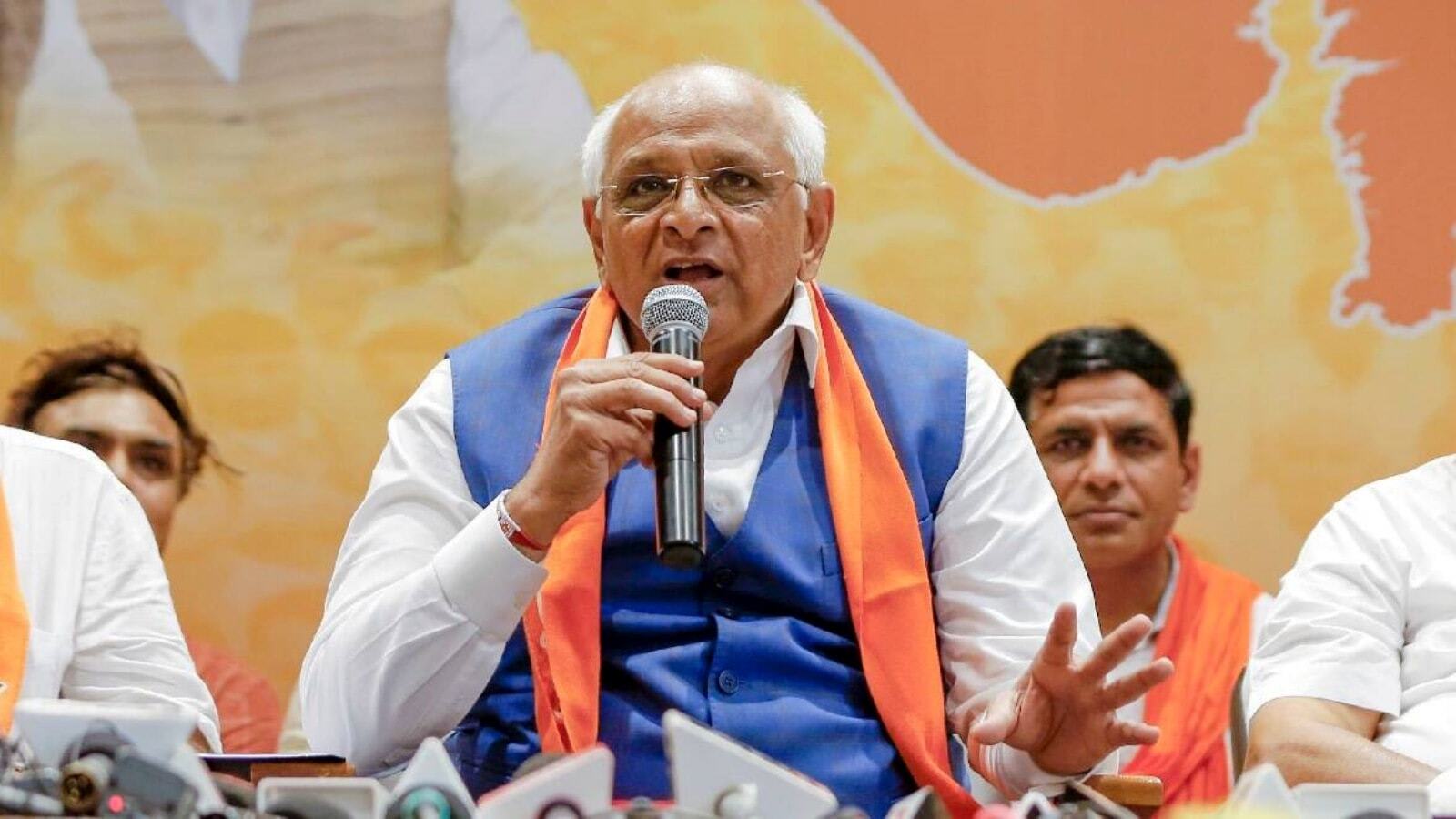
Gujarat Chief Minister Bhupendra Patel has launched a voluntary relocation scheme for Maldhari pastoralists living in the Barda Wildlife Sanctuary. The initiative offers Rs 15 lakh per family to facilitate their move, supporting the sanctuary's development as a secondary habitat for Asiatic lions.
Strategic Conservation: Relocating Maldharis to Protect Asiatic Lions
Chief Minister Bhupendra Patel recently announced a significant voluntary relocation scheme for the Maldhari community residing within the Barda Wildlife Sanctuary in Gujarat. This initiative, unveiled during the 77th Van Mahotsav in Porbandar, is a critical component of the state government’s broader environmental strategy to establish Barda as a viable 'second home' for the Asiatic lion. By providing financial incentives, the government aims to balance the needs of traditional pastoralists with the urgent requirements of wildlife conservation.
Understanding the Maldhari Pastoralists
The Maldharis are a semi-nomadic pastoralist community that has historically inhabited the lands currently designated as protected sanctuaries. Living in 'nesses' (small settlements), their traditional lifestyle often intersects with the habitats of endangered species. The decision to incentivize their relocation is rooted in the necessity of minimizing human-wildlife conflict and ensuring that the designated sanctuary areas remain undisturbed, allowing for the natural expansion of lion populations.
The Role of Barda as a Secondary Habitat
The Barda Wildlife Sanctuary, encompassing approximately 192.31 sq km, has been earmarked as the primary candidate for a secondary Asiatic lion population. Currently, the Gir National Park remains the only wild habitat for these lions, which creates a significant risk of localized extinction due to disease or natural disasters. By expanding the habitat to Barda, the Gujarat government is effectively creating a biological buffer, ensuring the long-term survival of the species through geographic dispersal.
Financial Framework and Government Policy
The government has structured the scheme to provide a direct financial incentive of Rs 15 lakh per family to eligible beneficiaries who choose to relocate outside the sanctuary boundaries. This approach acknowledges the socio-economic challenges faced by the herdsmen community while ensuring that the relocation process remains voluntary. By providing substantial capital, the government intends to help these families transition to new livelihoods or more sustainable living conditions outside the protected zone.
Future Implications for Wildlife Management
The success of this relocation initiative will likely serve as a blueprint for future conservation efforts in India. Balancing the preservation of cultural heritage and the rights of indigenous communities with the protection of endangered biodiversity is a delicate task. As Barda begins to accommodate lions, the monitoring of both the ecological impact on the sanctuary and the socio-economic integration of the relocated Maldhari families will be paramount for policymakers.
Conclusion
In conclusion, the announcement by CM Bhupendra Patel represents a proactive step toward securing the future of the Asiatic lion. By integrating financial support with environmental planning, the state of Gujarat is taking decisive action to mitigate habitat constraints. This move not only addresses the immediate spatial needs of the lion population but also demonstrates a structured approach to land-use management within the state's protected wildlife network.