3,400 lipstick kiss marks in 4 hours: Gwalior man fined after girlfriend’s viral car makeover
Source Entity
The Indian Express
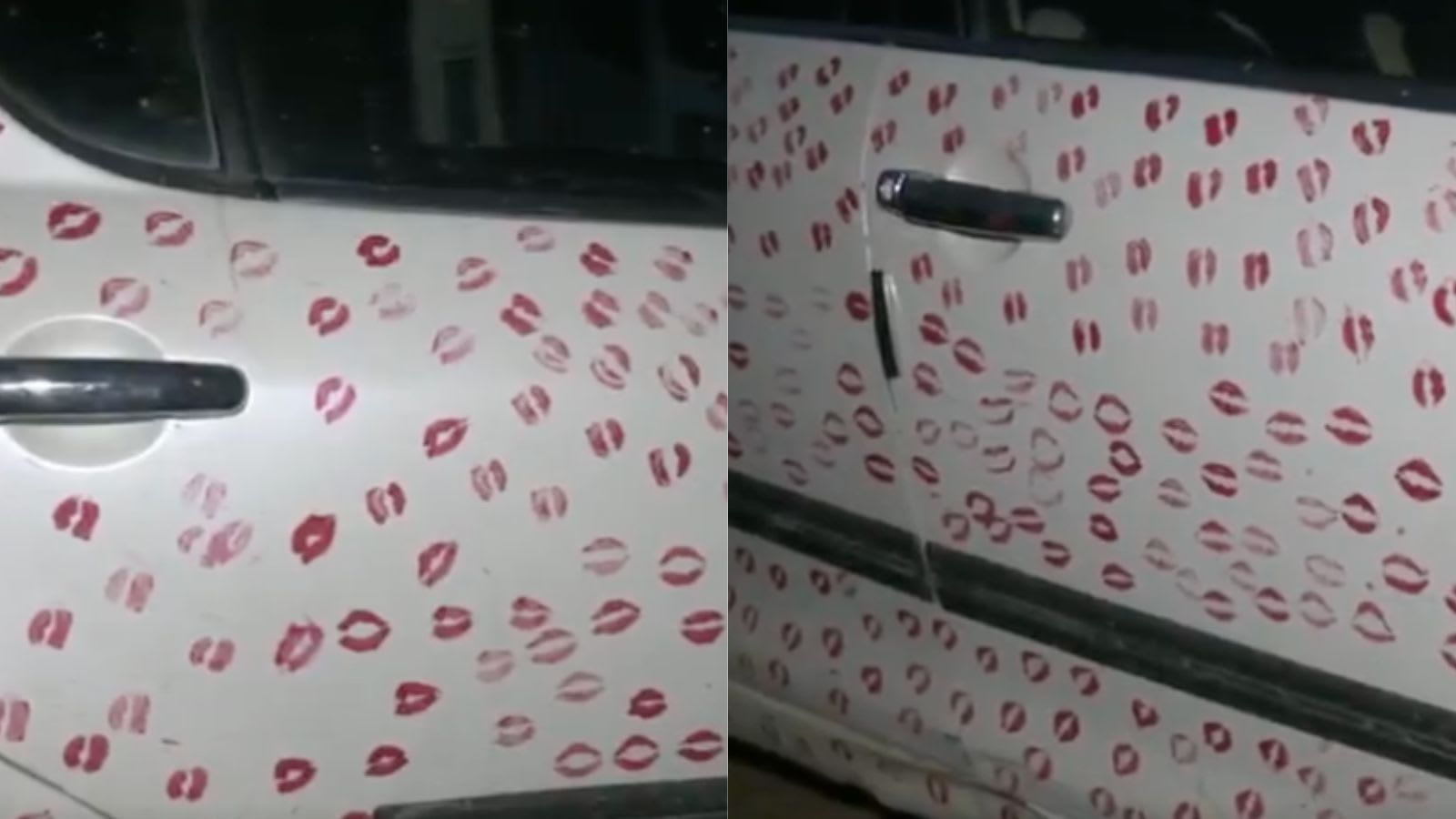
A Gwalior man was fined Rs 5,500 after his girlfriend covered his car in 3,400 lipstick kisses as part of a viral social media stunt. Local police intervened after the images circulated online, citing traffic regulations and vehicle modification rules.
The Viral 'Lipstick Art' Incident in Gwalior
A seemingly romantic gesture in Gwalior, Madhya Pradesh, turned into a legal headache for local resident Aditya Sikarwar when his vehicle became the subject of a viral social media stunt. The car, which was covered in approximately 3,400 lipstick kiss imprints applied by his girlfriend over a four-hour period, drew immediate attention from both onlookers and the Gwalior traffic police. While the couple reportedly viewed the act as a creative homage to a 'foreign trend,' the authorities perceived it as a violation of existing road safety and vehicle modification norms.
Legal Implications and Police Intervention
The intervention by the Gwalior traffic police underscores the growing trend of law enforcement agencies using social media as a tool for monitoring public behavior. Traffic Police Inspector Abhishek Raghuvanshi confirmed that the department took notice of the vehicle after videos and images of the kiss-covered car began circulating in the City Centre area. The authorities quickly identified the car owner, leading to a fine of Rs 5,500. This enforcement highlights the strict stance taken by Indian authorities regarding any vehicle modifications that deviate from standard registration norms or obstruct clear visibility and safety standards.
The Intersection of Social Media and Public Space
This incident serves as a prime example of how digital trends can lead to real-world consequences. In the age of viral content, individuals often attempt to replicate stunts seen on global platforms without fully understanding the local regulatory environment. For Sikarwar and his partner, the intent was artistic expression, yet the consequence was a mandatory cleanup order. By requiring the owner to wash the vehicle and remove the marks, the police ensured that the 'moving canvas' did not continue to pose a potential distraction to other motorists on public roads.
Regulatory Frameworks for Vehicle Appearance
Under the Motor Vehicles Act in India, there are stringent guidelines regarding the alteration of a vehicle’s appearance. While lipstick marks may seem harmless, police classify such extensive exterior modifications as violations of road safety regulations. Distraction is a key component of traffic safety; a vehicle covered in thousands of bright, contrasting marks can divert the attention of other drivers, thereby increasing the risk of accidents. The fine serves not only as a penalty for the specific act but also as a broader deterrent against unconventional vehicle modifications.
Broader Trends and Future Outlook
As social media continues to influence personal behavior, we are likely to see more instances of 'lifestyle stunts' colliding with municipal and traffic laws. Authorities are increasingly proactive in monitoring digital platforms to maintain public order. For the public, this incident serves as a cautionary tale: the pursuit of viral fame requires a thorough understanding of local laws, as what may be considered a harmless aesthetic choice in a private setting often carries heavy penalties when displayed on public infrastructure.
Conclusion
Ultimately, the Gwalior incident concludes with the owner paying a Rs 5,500 fine and restoring his vehicle to its original state. While the story offers a lighthearted look at a romantic gesture gone wrong, it reinforces the necessity of adhering to traffic protocols. The case effectively highlights the balance between personal expression and the collective need for road safety, ensuring that public spaces remain governed by law rather than social media trends.
Multiple Citing Sources