Heating your home with oil could cost $750 more this winter. Read this before you pay the price.
Source Entity
Charlie Garcia
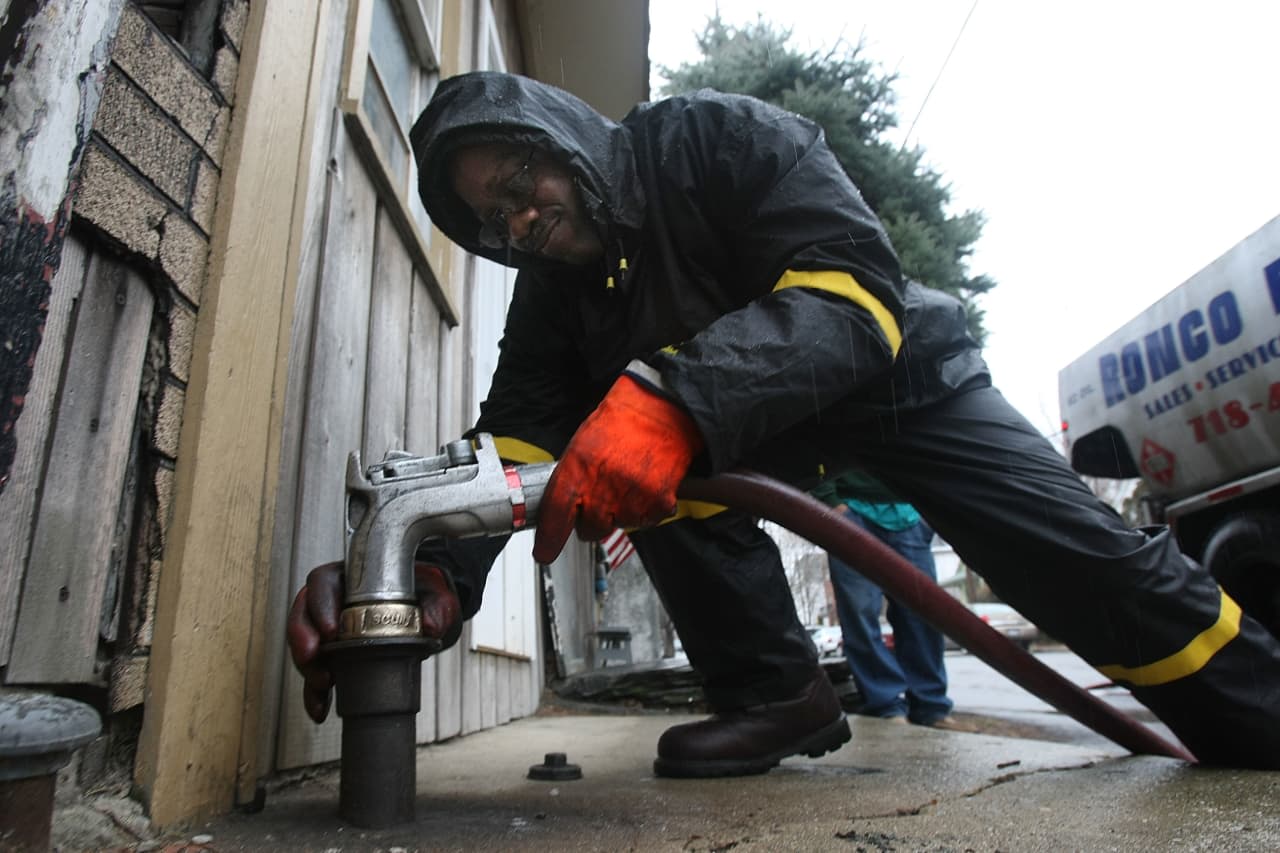
Heating oil costs are surging to record highs, placing a significant financial burden on households this winter. Critics argue that current government policy responses, including proposed loans and infrastructure projects, remain insufficient or purely theoretical.
The Rising Economic Burden of Winter Heating
As winter approaches, homeowners reliant on heating oil are facing a precarious financial landscape characterized by record-high prices. This surge in energy costs represents a significant inflationary pressure on household budgets, with estimates suggesting that families could face an additional $750 in expenses this season. The volatility of heating oil prices is not merely a seasonal fluctuation but a systemic issue impacting the affordability of basic living requirements for millions of residents.
The Failure of Policy Intervention
The current discourse surrounding this crisis highlights a widening gap between government rhetoric and tangible relief. While policymakers in Washington have proposed various measures to mitigate the impact of these price hikes, many of these solutions—such as specialized low-interest loans—have been criticized as inaccessible or purely aspirational. For the average consumer, these financial instruments remain theoretical constructs that fail to address the immediate cash-flow challenges presented by soaring utility bills.
Infrastructure and Strategic Misalignment
A central point of contention in the current energy debate is the reliance on proposed infrastructure projects that have yet to materialize. The mention of a 'pipeline that does not exist' underscores a frustration with long-term energy planning that fails to provide near-term security. Relying on future infrastructure to solve acute, present-day energy crises creates a disconnect that leaves homeowners vulnerable to global market fluctuations that dictate local heating oil prices.
Broader Economic Implications
The economic ripple effects of high heating costs extend beyond the individual household. When families are forced to allocate an extra $750 to keep their homes warm, discretionary spending in other sectors of the economy inevitably contracts. This shift in spending patterns can dampen local economic activity, creating a secondary layer of concern for small businesses and service providers who rely on consistent consumer demand throughout the winter months.
Future Trends and Energy Security
Looking forward, the reliance on heating oil presents a long-term challenge for energy security and sustainability. As long as residential heating remains tethered to volatile commodity markets and under-developed infrastructure, consumers will remain exposed to price shocks. Future policy trends will likely need to pivot toward more robust, immediate relief mechanisms or a transition toward diversified heating sources that are less susceptible to the supply chain disruptions currently driving these record-high costs.
Conclusive Summary
In summary, the record-high cost of heating oil serves as a stark reminder of the limitations of current energy policy. The gap between promised government support and the reality of the market creates a difficult environment for consumers. Moving forward, the focus must shift toward bridging the divide between long-term infrastructure goals and the immediate necessity of protecting households from unsustainable energy costs.
Verification Required?