David Brouillette: ICE officer who killed Johan Sebastián in Maine had troubled past; all you need to know
Source Entity
Latest News: Today's Latest News Headlines from India & World | Hindustan Times | Hindustan Times
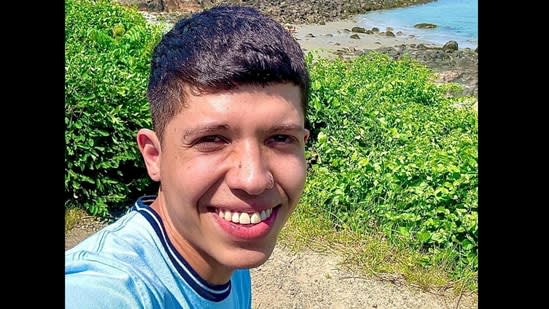
ICE officer David Michael Brouillette fatally shot Colombian national Johan Sebastián Durán Guerrero during an operation in Maine. Relatives of the officer allege he had a long history of mental health issues and violent behavior.
Fatal ICE Operation in Maine: A Case of Systemic Failure?
In a tragic encounter in Biddeford, Maine, a 25-year-old Colombian national, Johan Sebastián Durán Guerrero, was fatally shot by an officer from U.S. Immigration and Customs Enforcement (ICE). The incident occurred during an enforcement operation, but the aftermath has shifted focus from the operation itself to the troubling personal history of the officer involved, David Michael Brouillette. This event highlights the critical intersection of law enforcement authority and the psychological fitness of those entrusted with lethal force.
The Profile of David Michael Brouillette
David Michael Brouillette, a 37-year-old Army veteran, is the officer identified as the shooter. While his military background typically suggests a level of discipline and training, reports emerging from his own family paint a starkly different picture. The revelation of his identity has opened a Pandora's box of allegations regarding his stability and suitability for a role in federal law enforcement, where split-second decisions can result in the loss of human life.
Allegations of Long-term Mental Instability
According to multiple relatives interviewed by the Associated Press, Brouillette has struggled with severe mental illness since childhood. These claims suggest that his psychiatric struggles were not recent developments but were longstanding issues that spanned years. The family's testimony indicates a pattern of behavior that they believe should have disqualified him from serving in a capacity that requires high emotional regulation and the ability to handle high-stress environments without resorting to unnecessary violence.
Family Testimony and Claims of Violence
Beyond general mental health struggles, the family has alleged a history of violent behavior and abuse. One specific and harrowing detail comes from Ashley Brouillette, who informed the AP that during a Facebook audio call, her ex-husband admitted to killing Durán Guerrero. This alleged admission, coupled with Ashley's statement that she watched her father struggle significantly, adds a layer of personal corroboration to the claims that Brouillette was unfit for duty.
Questions of Vetting and Accountability
The core of the controversy lies in the vetting process of the U.S. Immigration and Customs Enforcement agency. Relatives have explicitly stated that Brouillette "should never have been entrusted with a badge and firearm" given his psychiatric history. This raises profound questions about the rigor of background checks for federal agents. If the allegations of childhood mental illness and a history of violence are accurate, the failure to identify these red flags represents a significant lapse in agency oversight and a risk to public safety.
Broader Implications for Law Enforcement
This incident underscores the dangers of employing individuals with untreated or ignored psychiatric issues in roles that grant them the legal authority to use deadly force. When agents are deployed in high-tension enforcement operations—particularly those involving non-citizens who may already be in vulnerable positions—the psychological state of the officer is paramount. The death of Johan Sebastián Durán Guerrero may not have been an isolated tactical error but rather the culmination of a lifelong struggle with mental health that was ignored by the state.
Conclusion: Seeking Justice and Reform
The fatal shooting in Biddeford is more than a legal case; it is a call for transparency in how ICE and other federal agencies vet their personnel. As the family of David Brouillette comes forward with claims of violence and mental instability, the focus must remain on the victim, Johan Sebastián Durán Guerrero, and the systemic failures that allowed an allegedly unstable individual to carry a weapon of the state. Future trends in law enforcement will likely demand more stringent, ongoing psychological evaluations to prevent such preventable tragedies.
Verification Required?