‘We are here after 8 deaths’: Rare protest at IIT Delhi after student’s suicide sparks anger
Source Entity
Pragynesh
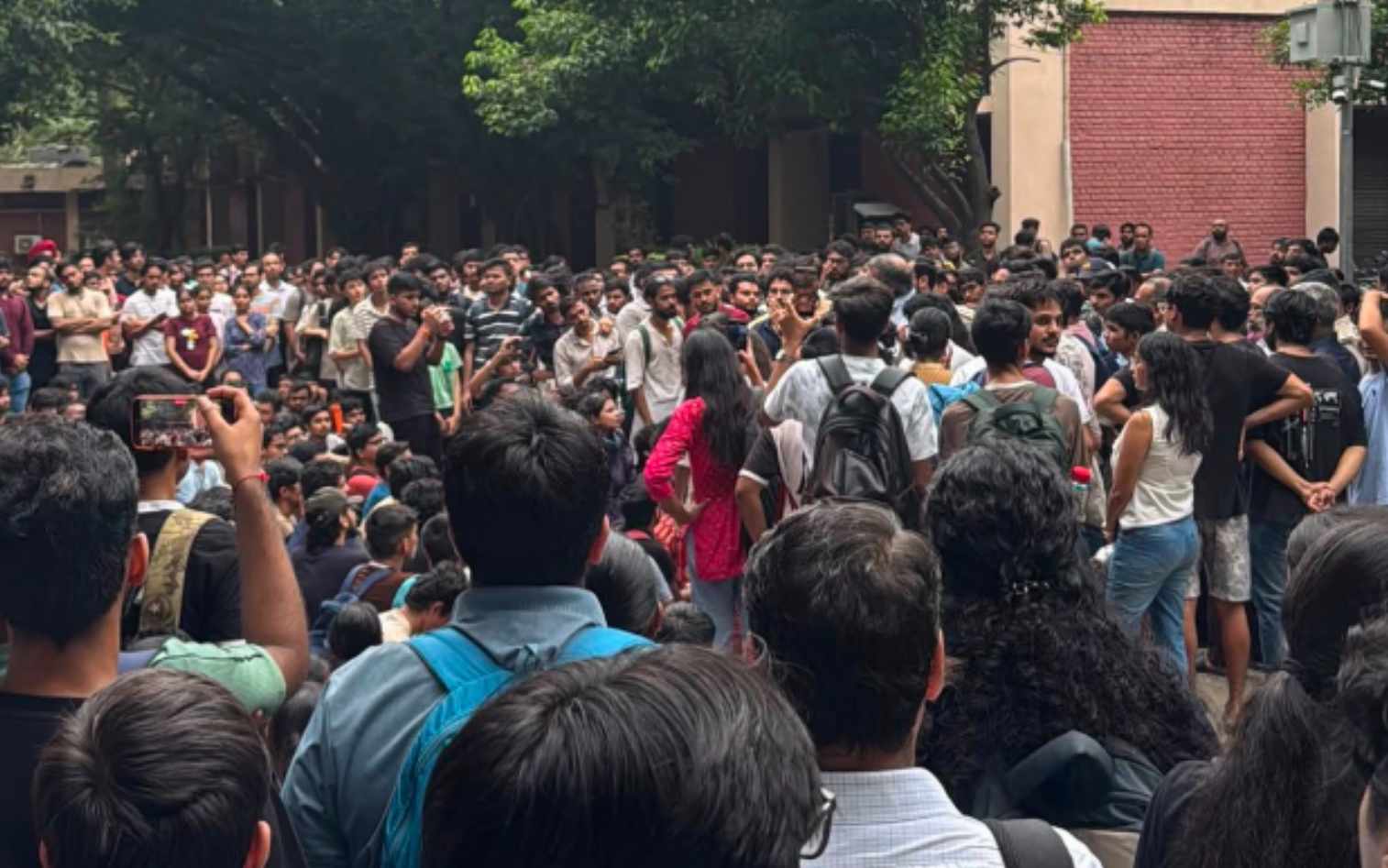
IIT Delhi students are protesting following the death of a 31-year-old MSc student, marking the eighth suicide at the institute since 2023. Protesters are demanding administrative accountability, an independent inquiry, and systemic changes to address mental health support.
Crisis at the Campus: The IIT Delhi Protest
A Rare Outcry for Accountability
On Monday, the serene academic atmosphere of the Indian Institute of Technology (IIT) Delhi was disrupted by a significant student mobilization. Beginning at 9 a.m. near the Lecture Hall Complex, approximately 300 students converged on the main building, specifically the first-floor lobby outside the director’s office. This protest, which is highly uncharacteristic for the institute, serves as a poignant manifestation of the grief and frustration felt by the student body following the death of a 31-year-old MSc Physics student, identified as Rishikesh, who allegedly died by suicide.
The Human Cost of Systemic Failure
Reports indicate that Rishikesh had been struggling with his mental health, exacerbated by the recent loss of his father. Advocates and student groups argue that the institution failed to provide the necessary support systems during his period of vulnerability. This tragedy is not an isolated incident; it is the eighth suicide at IIT Delhi since 2023. The protesters are now demanding the resignation of the Dean and Associate Deans of the Students’ Welfare Office, as well as the head of the physics department, citing a profound lack of administrative empathy and support.
Structural Concerns and Broader Implications
The Cockroach Janta Party (CJP) has highlighted a harrowing statistic: there have been 65 suicides across all IIT campuses in the last five years. This data points to a systemic crisis that transcends individual campus management. The protesters, carrying signs reading “IIT-D: Dreams or Death,” argue that the current academic culture, which reportedly includes moral profiling and the denial of academic project support, is fundamentally flawed. These structural issues suggest that the high-pressure environment of India’s premier technical institutes may be failing to prioritize the holistic well-being of its scholars.
Demands for Systemic Reform
The students have boycotted classes to force a dialogue with the administration, seeking more than just symbolic gestures. Their demands include an independent inquiry into the administrative failures that preceded these deaths, fair compensation for the families of the deceased, and a complete overhaul of the student welfare mechanisms. The administration has met with the protesters and agreed to consider these demands, marking a small but necessary step toward addressing the grievances.
Future Trends and Conclusion
The intensity of this protest signals a turning point in how students at elite Indian institutions engage with administrative authorities. As the dialogue between the IIT Delhi administration and the students continues, the focus must shift from reactive crisis management to proactive mental health reform. If these institutions hope to preserve their reputations as centers of excellence, they must reconcile their rigorous academic standards with a robust, compassionate support system that recognizes the human element behind every student ID.
Multiple Citing Sources