Imran Khan's sons claims he 'won't survive' in prison; lawyer alleges 'slow-motion murder' plot
Source Entity
Latest News: Todays Latest News Headlines from India & World | Hindustan Times | Hindustan Times
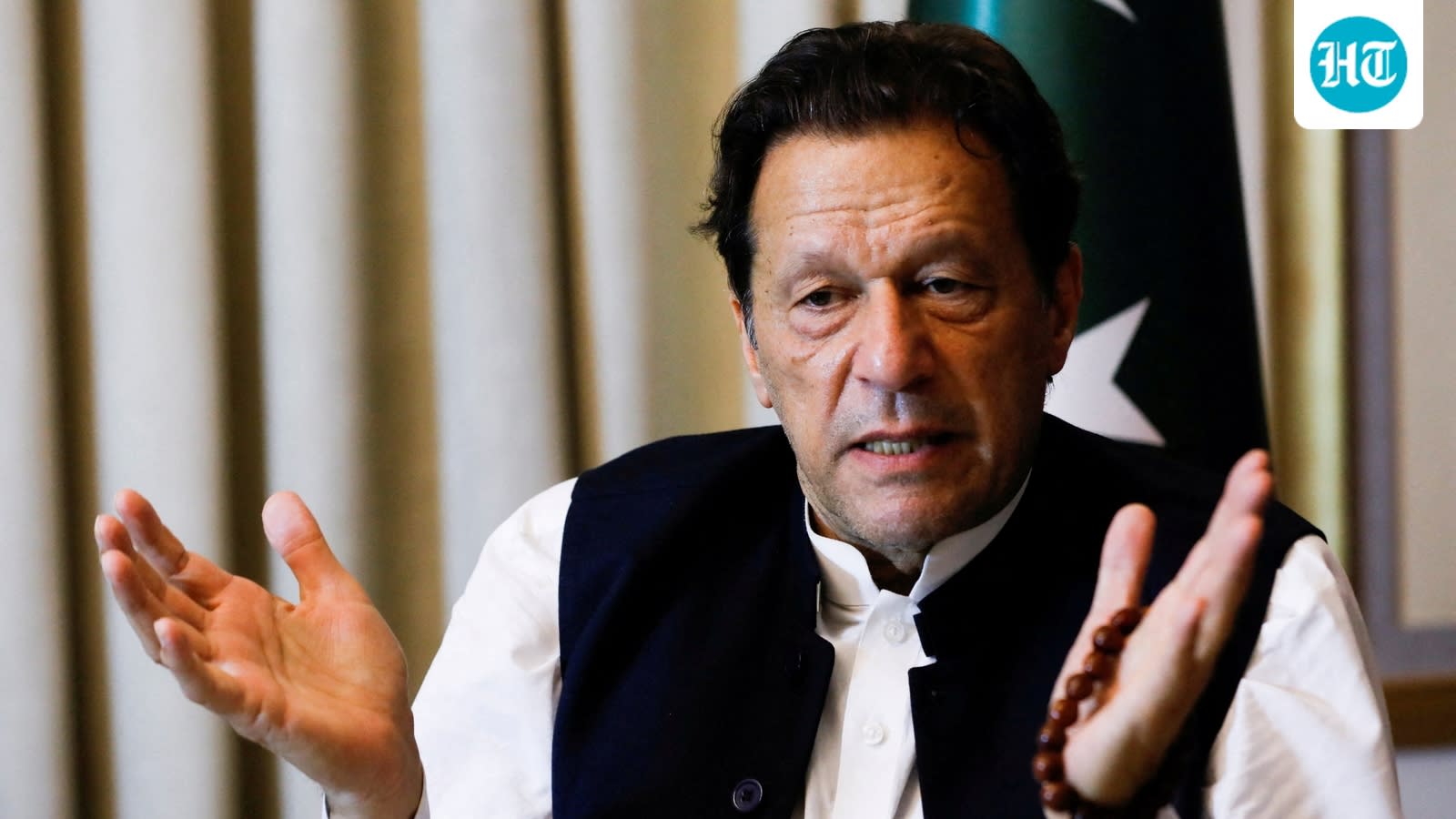
Imran Khan's sons have raised grave concerns regarding his health, alleging that the Pakistani government is defying Supreme Court orders for his medical care. They describe his continued incarceration and lack of access to private healthcare as a deliberate 'slow-motion murder' plot.
The Imprisonment and Health Crisis of Imran Khan
Former Pakistani Prime Minister Imran Khan, currently incarcerated following his 2023 convictions for state secrets disclosure and corruption, faces a worsening health crisis that has prompted his sons, Sulaiman and Kasim Khan, to speak out. In a recent online press conference, the family expressed severe alarm, suggesting that the 73-year-old leader may not survive his current detention. These allegations have ignited a firestorm of controversy regarding the treatment of political prisoners within the Pakistani judicial and penal systems.
Allegations of Judicial Non-Compliance
A central point of contention is the assertion by Khan’s legal representatives and his family that the Pakistani government is actively ignoring a Supreme Court order. This mandate was intended to grant the former Prime Minister access to a private hospital for medical examinations, acknowledging the deterioration of his health. By failing to facilitate this care, the government stands accused of obstructing the judiciary's efforts to ensure the basic human rights and medical dignity of a high-profile political figure.
The 'Slow-Motion Murder' Narrative
The rhetoric surrounding Khan's imprisonment has escalated significantly, with his legal team characterizing the current situation as a 'slow-motion murder' plot. This grave accusation suggests that the denial of adequate medical intervention is not a bureaucratic oversight but a calculated strategy to eliminate a political opponent. Such claims further polarize an already fractured political landscape in Pakistan, where Khan remains a deeply influential figure despite his legal incapacitation.
Historical Context and Political Polarization
Imran Khan’s transition from a celebrated international cricketer to a populist politician has been marked by intense scrutiny. His conviction in 2023 on charges of corruption and leaking state secrets was framed by his supporters as politically motivated—a claim Khan has consistently maintained. The current impasse reflects broader historical tensions between Pakistan’s political leadership and its state institutions, where legal proceedings are frequently viewed through the lens of power struggles rather than impartial justice.
Broader Implications for Pakistan
The ongoing debate over Khan’s health and the government’s adherence to Supreme Court rulings has profound implications for Pakistan’s democratic stability. When the executive branch is perceived as defying the judiciary, it undermines the rule of law and risks further civil unrest. The international community, including reports from outlets like the Financial Times and Reuters, continues to monitor these developments closely, as they reflect the fragility of Pakistan's current political climate.
Conclusion and Future Outlook
As the situation develops, the focus remains on whether the Pakistani government will comply with the Supreme Court's instructions to allow private medical access and regular family contact. The persistence of these allegations of torture and medical neglect, as echoed by Khan's sister and his sons, suggests that this issue will continue to be a rallying point for his supporters. The resolution of this crisis will likely serve as a litmus test for the independence of Pakistan's judiciary and the government's commitment to due process.
Verification Required?