U.S. still watching allies for alignment of interests even amid defense pullback, analyst says
Source Entity
US Top News and Analysis
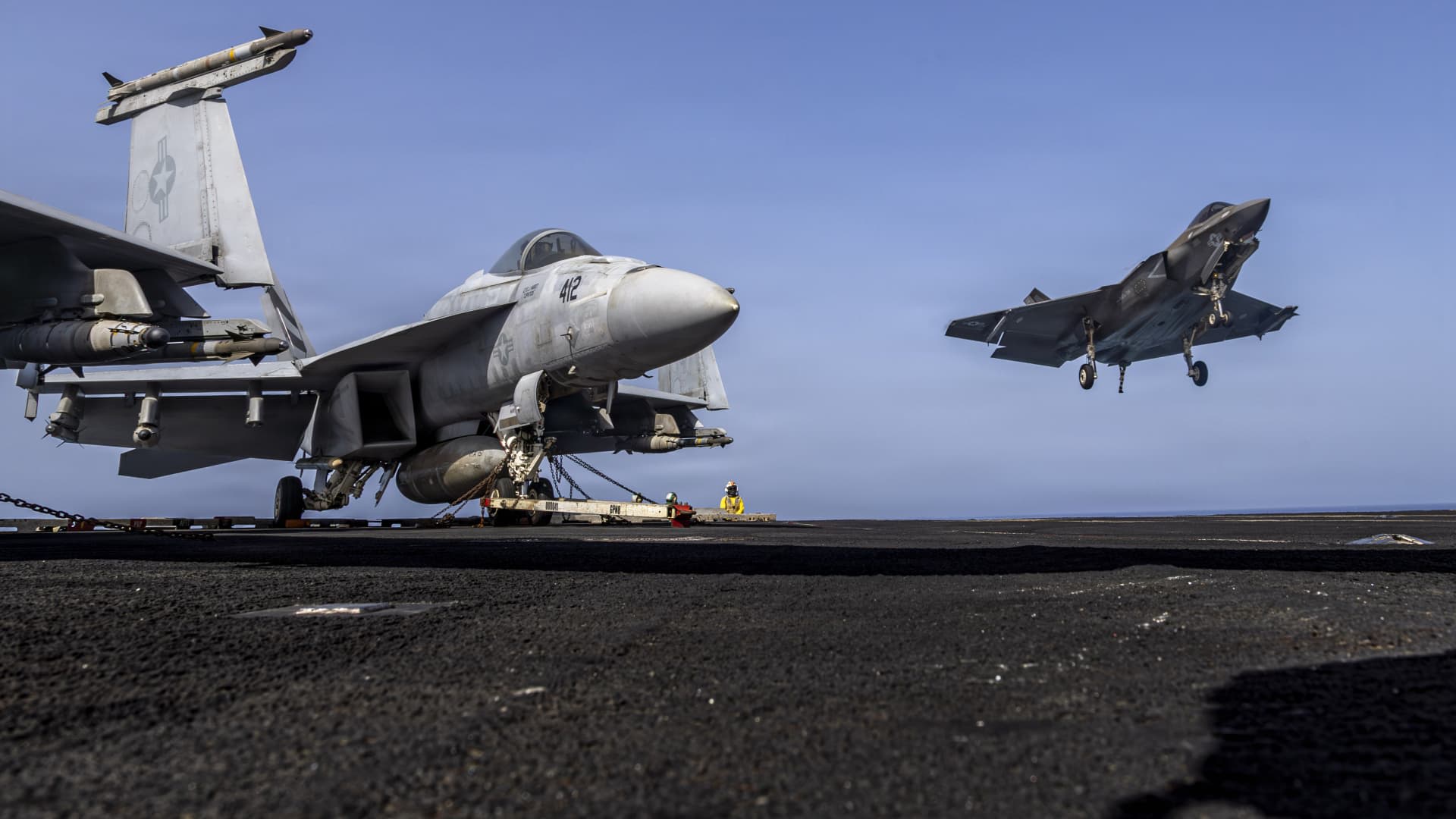
The U.S. is shifting toward a defense strategy that encourages regional allies to take on greater responsibility for their own security. Despite this pullback, Washington remains focused on ensuring that these nations' geopolitical actions remain strictly aligned with U.S. strategic interests.
The Evolving Landscape of U.S. Global Defense Strategy
The contemporary geopolitical environment is witnessing a significant recalibration of U.S. foreign policy, characterized by a transition toward encouraging regional allies to assume greater responsibility for their own defense. This shift, highlighted by recent reports, suggests that while the United States is recalibrating its physical presence—symbolized by the ongoing operations of assets like the F-35C Lightning II aboard the USS Abraham Lincoln—its strategic expectations remain rigid.
The 'Less is More' Strategic Doctrine
According to Derek Grossman, a professor of political science at the University of Southern California, the current U.S. approach is governed by a nuanced mantra: "less of the U.S. is more," provided that regional actions mirror Washington’s priorities. This doctrine implies that the U.S. is willing to reduce its overt military footprint in areas like Asia, but only if the resulting power vacuum is filled by allies whose agendas are synchronized with American interests.
Balancing Autonomy and Alignment
This policy creates a complex dynamic for regional partners. As these nations are prompted to increase their defense spending and operational capabilities, they face the dual challenge of achieving strategic autonomy while simultaneously ensuring their maneuvers do not deviate from the broader U.S. geopolitical framework. The U.S. is effectively outsourcing the burden of regional stability while maintaining a high-level oversight role to ensure no divergence occurs.
The Impact of Presidential Rhetoric
Recent calls from President Donald Trump to substantially increase the defense burden on allies serve as the catalyst for this broader policy shift. By emphasizing that the U.S. will no longer be the sole guarantor of global security, the administration is forcing a structural change in how alliances function, shifting from a model of dependency to one of transactional alignment.
Future Trends in Regional Security
Looking ahead, we can expect a more fragmented yet aligned security architecture. As allies invest in their own military hardware, such as advanced fighter squadrons, the U.S. will likely pivot toward a role of strategic coordinator rather than a primary first responder. This future trend suggests that the strength of U.S. alliances will be measured not by the number of U.S. troops on the ground, but by the degree to which allied defense policies mirror Washington's own strategic goals.
Conclusion
The U.S. approach represents a sophisticated attempt to maintain global influence without the traditional costs of an expanded military presence. While the pullback is real, the expectation of alignment remains absolute, setting the stage for a new era of partner-led defense operations that are tethered firmly to U.S. national security objectives.