Inside India's $25.6 Billion Push To Build Core EV Tech, Cut Imports
Source Entity
NDTV News Search Records Found 1000
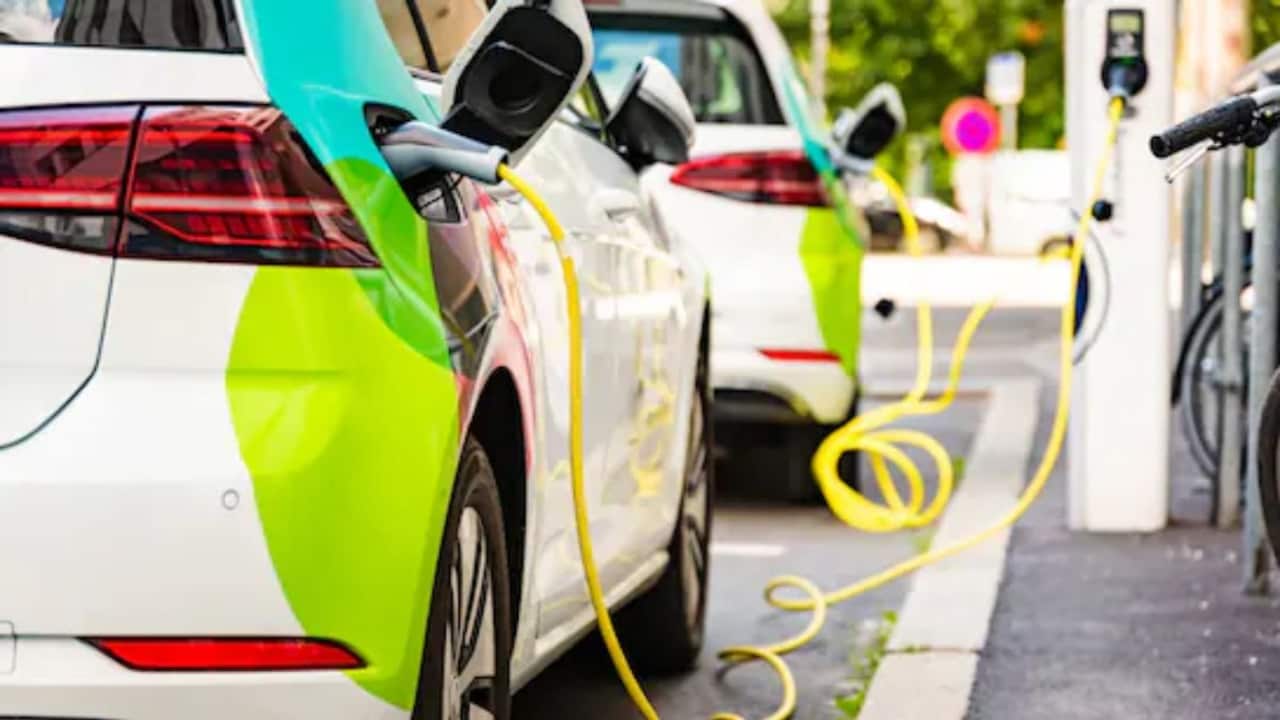
India has launched a $25.6 billion initiative to foster indigenous electric vehicle technology. This strategic shift moves away from importing designs to creating products specifically engineered for local environmental and infrastructure conditions.
India’s Strategic Pivot to Indigenous EV Innovation
India has officially embarked on a transformative $25.6 billion initiative designed to overhaul its electric vehicle (EV) ecosystem. By shifting away from the historical reliance on imported designs and foreign intellectual property, the nation is positioning itself to become a global hub for core EV technology. This massive capital injection is not merely a subsidy program; it represents a fundamental change in industrial policy aimed at fostering deep-tech capabilities within the domestic automotive sector.
Designing for Local Realities
The core philosophy driving this shift is the recognition that global EV standards do not always align with India’s unique environmental and infrastructural challenges. Imported designs often struggle with the extreme heat, high humidity, and rugged road conditions prevalent across the subcontinent. By pivoting to indigenous engineering, Indian companies are now developing powertrains, battery management systems, and thermal cooling solutions that are specifically optimized for local usage patterns, ensuring higher durability and efficiency than off-the-shelf foreign alternatives.
Reducing Import Dependencies
A primary driver for this $25.6 billion investment is the urgent need to reduce the country’s high import bill for critical EV components. By localizing the production of essential tech stacks, India aims to mitigate supply chain risks and insulate its burgeoning EV market from global geopolitical volatility. This move encourages domestic manufacturers to invest in R&D, which in turn nurtures a localized supply chain and creates high-skilled jobs, effectively moving India up the value chain from an assembly-based economy to an innovation-led one.
The Economic and Industrial Impact
This initiative serves as a catalyst for the broader 'Make in India' vision, specifically targeting the mobility sector. As companies move toward localized product development, the focus shifts to creating robust battery chemistries and motor architectures that can withstand Indian traffic dynamics and power grid fluctuations. This transition is expected to lower the total cost of ownership for consumers, making electric mobility more accessible to the mass market while simultaneously bolstering the nation's manufacturing prowess.
Future Trends and Market Sustainability
Looking ahead, the success of this $25.6 billion push will likely trigger a wave of consolidation and innovation within the Indian startup and corporate landscape. We can expect to see a surge in patents filed by Indian firms as they move toward self-reliance in core EV technologies. This trend will likely attract further private investment, as global players seek to partner with Indian firms that possess localized, battle-tested technology. The long-term trajectory suggests that India will not only satisfy its domestic demand for clean mobility but may eventually emerge as a significant exporter of specialized EV technology tailored for other emerging markets with similar environmental constraints.
Verification Required?