No shots fired at students, says Union Minister Jitendra Singh as Lok Sabha passes tougher anti-paper leak Bill
Source Entity
India Latest News: Top National Headlines Today & Breaking News | The Hindu
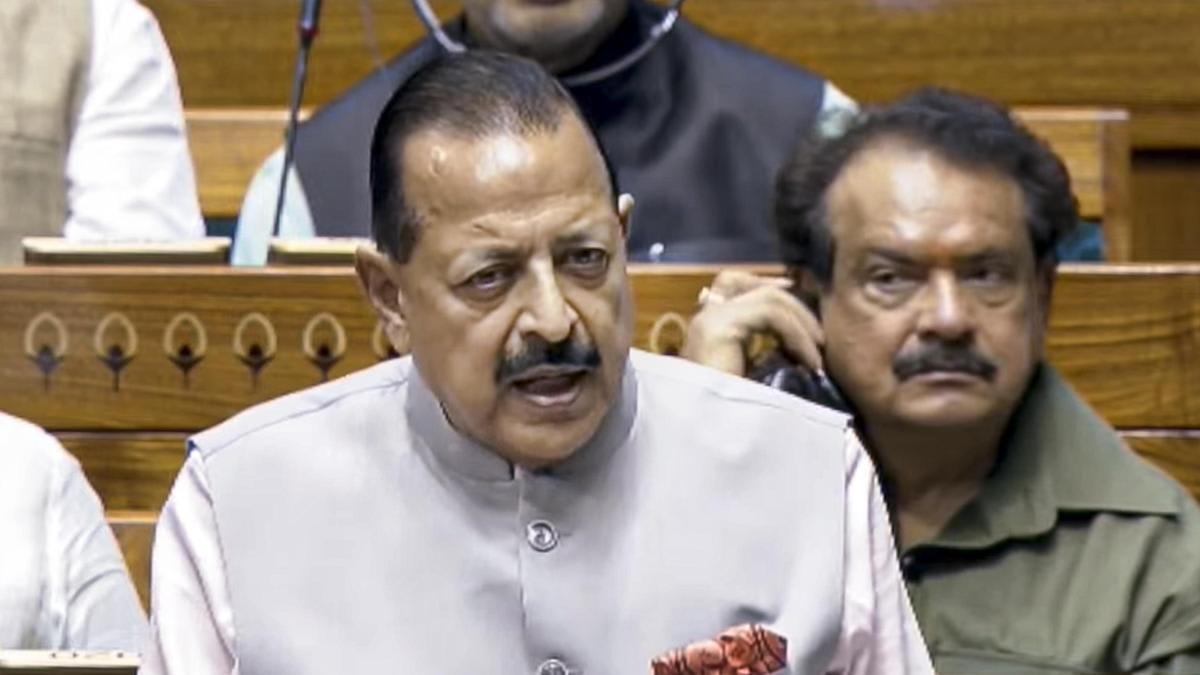
The Indian government has introduced the Public Examinations (Prevention of Unfair Means) Amendment Bill, 2026, to impose harsher penalties for paper leaks. This legislative move follows intense student protests and the resignation of Education Minister Dharmendra Pradhan.
Strengthening Academic Integrity: The 2026 Anti-Paper Leak Bill
The introduction of the Public Examinations (Prevention of Unfair Means) Amendment Bill, 2026, marks a pivotal moment in India's legislative approach to education reform. By proposing a 10-year prison sentence and a substantial fine of ₹50 lakh for those involved in examination malpractices, the government is signaling a zero-tolerance policy toward the systemic corruption that has plagued national testing. This bill aims to amend the existing two-year-old framework, transforming it into a more robust deterrent against the organized syndicates that compromise the future of millions of students.
The Catalyst: Protests and Political Accountability
The necessity for this legislative overhaul was underscored by prolonged, nationwide student protests spearheaded by the Cockroach Janta Party (CJP). These demonstrations, fueled by the NEET(UG) question paper leak, created a political firestorm that culminated in the resignation of Union Education Minister Dharmendra Pradhan. The intensity of these protests not only paralyzed Parliament for a week but also forced a breakthrough in negotiations between the government and the Opposition, facilitated by Speaker Om Birla.
Procedural Efficiency: Time-Bound Justice
A critical component of the 2026 Amendment is its focus on judicial and investigative efficiency. Recognizing that justice delayed is justice denied, the bill introduces a mandatory two-month cap on investigations and provides statutory backing to fast-track courts. This structural change is designed to bypass the traditional legal bottlenecks that often allow perpetrators of exam fraud to evade consequences for years, thereby restoring faith in the credibility of public examinations.
Government Commitment and Opposition Dynamics
Union Minister of State in the PMO, Jitendra Singh, has framed this bill as a fundamental reaffirmation of the government’s commitment to the welfare of the youth. However, the legislative process was not without friction. The debate in the Lok Sabha followed significant tension surrounding allegations of police excesses during student demonstrations, particularly the July 20 march to Parliament. The passage of this bill represents a rare moment of consensus in a volatile political climate, as both sides sought to address the urgent public demand for accountability.
Future Implications for National Testing
The implementation of these stringent measures is expected to reshape the landscape of competitive examinations in India. By establishing harsh penalties and a clear, time-bound legal pathway for prosecution, the 2026 Act creates a high-stakes environment for potential offenders. As the country moves toward a more digitized and regulated examination system, the success of this legislation will depend on the effective coordination between central investigative agencies and the newly empowered fast-track courts to ensure that the law is not just a symbolic gesture, but an enforceable reality.
Multiple Citing Sources
Verification Required?