10 years' jail, ₹50 lakh fine, two-month probes: How 2026 bill would rewrite the anti-paper leak law
Source Entity
Latest News: Todays Latest News Headlines from India & World | Hindustan Times | Hindustan Times
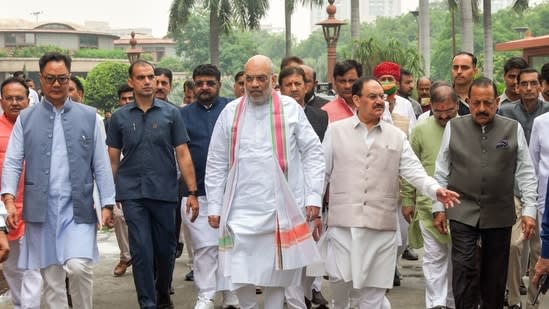
The Indian government has introduced the Public Examinations (Prevention of Unfair Means) Amendment Bill, 2026, proposing harsher penalties for paper leaks. This follows nationwide protests and the resignation of Education Minister Dharmendra Pradhan, amid intense parliamentary debate over the efficacy of past legislation.
The Legislative Response to Examination Integrity
In a significant legislative move, the Indian government has introduced the Public Examinations (Prevention of Unfair Means) Amendment Bill, 2026, in the Lok Sabha. This development follows a period of intense national unrest, characterized by widespread student protests against recurring question paper leaks. The proposed legislation seeks to impose stringent penalties, including a 10-year prison sentence and a fine of Rs 50 lakh for individuals found guilty of orchestrating or facilitating examination malpractice.
Political Turmoil and the CJP Protests
The introduction of this Bill is inextricably linked to the sustained pressure exerted by the Cockroach Janta Party (CJP). Their month-long agitation, specifically targeting the NEET-UG examination leaks, culminated in a significant political shift: the resignation of Union Education Minister Dharmendra Pradhan on Saturday. This departure underscores the gravity of the situation, as the government attempts to regain public trust following accusations of systemic failures in maintaining the sanctity of national competitive examinations.
Parliamentary Discord and the 'Admission of Failure'
The legislative process has been marked by a fierce standoff between the treasury and opposition benches. During the debate on July 28, 2026, Congress deputy leader Gaurav Gogoi characterized the amendment as a tacit admission of the government's previous policy failures. By questioning the necessity of amending a law that was touted as "historic" just two years prior, the Opposition has framed the new Bill as a cosmetic, reactive measure rather than a proactive solution to a deep-seated crisis.
Breaking the Legislative Deadlock
The path to this debate was paved by a fragile consensus between the government and the Opposition. After a week of repeated adjournments and parliamentary paralysis, Speaker Om Birla facilitated negotiations to break the logjam. This resolution followed intense scrutiny regarding alleged police excesses during the July 20 march to Parliament, where students and activists faced a heavy-handed crackdown. The agreement to discuss the Bill reflects the urgent need for a political resolution to the ongoing instability.
Future Implications and Policy Efficacy
As the nation watches the progression of this Bill, the core question remains whether punitive measures alone can resolve the structural vulnerabilities inherent in the examination system. History suggests that while harsher sentencing may act as a deterrent, the efficacy of such laws depends on the integrity of the administrative bodies overseeing these examinations. Moving forward, the effectiveness of the 2026 Amendment will likely be measured by the reduction in leaks and the government's ability to navigate the trust deficit created by the events of recent months.
Conclusion
The 2026 Amendment Bill represents a critical juncture in India's governance of academic testing. While the government positions this as a necessary evolution of the law to combat organized cheating, the Opposition's critique highlights the broader challenges of legislative consistency and accountability. Whether this bill succeeds in safeguarding the future of millions of students or remains a temporary fix in a cycle of reform and failure, remains a pivotal issue in the current political landscape.
Multiple Citing Sources
Verification Required?