'First of kind' vs 'showpiece amendment': Fiery paper leak bill debate in Parliament
Source Entity
Latest News: Todays Latest News Headlines from India & World | Hindustan Times | Hindustan Times
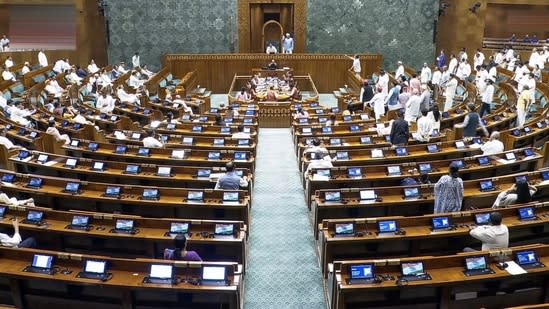
The Indian government has introduced the Public Examinations (Prevention of Unfair Means) Amendment Bill, 2026, following massive protests over paper leaks. The legislation mandates severe penalties, including up to 10 years of imprisonment and Rs 50 lakh fines, amid a shifting political climate.
The Legislative Response to Examination Integrity
The introduction of The Public Examinations (Prevention of Unfair Means) Amendment Bill, 2026, in the Lok Sabha marks a critical pivot in the Indian government's approach to educational governance. Following sustained, nationwide student protests—most notably those organized by the Cockroach Janta Party (CJP)—the administration has moved to replace administrative ambiguity with stringent statutory deterrents. By proposing a 10-year jail term and a Rs 50 lakh fine for those involved in paper leaks, the government is signaling a shift toward 'zero-tolerance' policies regarding the sanctity of public examinations.
The Catalyst: Political Accountability and Resignation
The urgency behind this Bill is inextricably linked to the resignation of Union Education Minister Dharmendra Pradhan. His departure on Saturday, triggered by months of intense pressure following the NEET(UG) question paper leak, created a political vacuum that necessitated a swift legislative response. The protests, which culminated in a notable march to Parliament on July 20, exposed deep-seated systemic vulnerabilities that the government is now attempting to address through this legislative amendment.
Navigating Parliamentary Deadlock
The legislative process has been far from smooth, characterized by a week of repeated disruptions in the Lok Sabha. The impasse was finally broken through behind-the-scenes negotiations facilitated by Speaker Om Birla and government floor managers. This consensus-building was essential to move beyond the Opposition’s focus on the alleged police excesses during the July 20 protests, allowing the House to pivot toward substantive policy debate regarding the amendment.
Political Rhetoric and Public Sentiment
Amidst the legislative maneuverings, political discourse remains polarized. BJP leader Tejasvi Surya’s recent comments, labeling the Congress party’s stance as "delulu," highlight the ongoing battle for the narrative surrounding the paper leak crisis. Surya emphasized that students are less concerned with political point-scoring and more focused on long-term systemic fixes, a sentiment that the government aims to capitalize on as it seeks to restore public confidence in the examination system.
Broader Implications and Future Trends
Looking ahead, the success of this Bill will depend on effective implementation rather than just the severity of the proposed penalties. If passed, the 2026 Amendment will likely serve as a foundational pillar for future exam security protocols. However, the government must balance these punitive measures with transparent administrative reforms to satisfy the concerns of the student body. The transition from a climate of protest to one of policy implementation represents a high-stakes turning point for the current administration's education policy agenda.
Multiple Citing Sources
Verification Required?