India-Bangladesh Joint River Commission | Explained
Source Entity
India Latest News: Top National Headlines Today & Breaking News | The Hindu
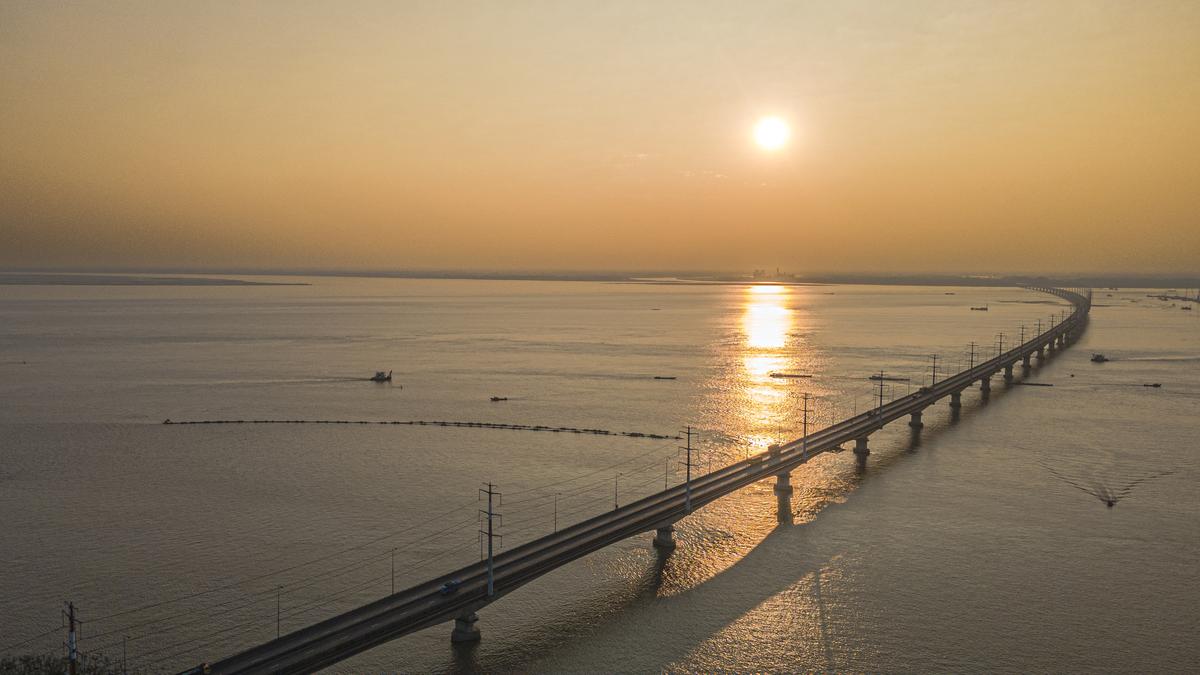
The India-Bangladesh Joint River Commission remains the primary structured mechanism for managing transboundary water issues as the 1996 Ganga Water Treaty nears its 2026 expiration. Both nations continue to utilize this platform to address complex water-sharing concerns across their 54 shared rivers.
The Future of India-Bangladesh Hydro-Diplomacy
Following the historic events of 1971, India and Bangladesh established the Joint River Commission (JRC) to navigate the complexities of their shared hydrology. As the 1996 Ganga Water Treaty approaches its expiration date on December 12, 2026, the JRC has regained prominence as the primary diplomatic anchor for bilateral water relations. Recent statements from the Indian Ministry of External Affairs confirm that this body remains the official, structured mechanism intended to manage the transition and any subsequent negotiations regarding the Ganga and beyond.
The Complexity of Shared Waterways
The hydro-geography of the region is defined by 54 transboundary rivers, creating a deep interdependency between the two neighbors. Among these, the Ganga, Brahmaputra, and Teesta rivers serve as the lifeblood for Bangladesh’s agricultural sector and are critical components of the nation's flood-mitigation infrastructure. Because these rivers cross international borders, the JRC acts as the essential forum for technical data exchange and policy coordination, ensuring that unilateral actions do not exacerbate regional water scarcity or seasonal flooding.
Beyond the Treaty: A Structured Mechanism
The upcoming expiration of the Ganga Water Treaty has sparked significant discussion regarding the future of water management. However, the Indian government’s insistence on the JRC as the primary channel suggests a pivot toward institutionalized, ongoing dialogue rather than a reliance on singular, fixed-term treaties. By positioning the JRC as the locus of control, both nations emphasize the importance of continuous technical cooperation that can adapt to changing climate patterns and shifting water flow volumes.
Historical Context and Regional Stability
Historically, the JRC was born out of the necessity to manage the post-1971 geopolitical landscape. It was designed to move water sharing away from purely political posturing and toward a framework based on hydrological data and mutual necessity. This structure has been vital in maintaining regional stability, as water remains a highly sensitive issue in domestic politics for both nations. The longevity of the JRC demonstrates that despite periodic fluctuations in bilateral relations, the technical necessity of managing shared rivers provides a resilient foundation for diplomacy.
Future Trends and Strategic Implications
Looking toward 2026 and beyond, the role of the JRC is likely to evolve from a treaty-monitoring body into a more dynamic platform for integrated water resource management. As climate change alters the predictability of monsoons and river flows, the commission will likely face increased pressure to implement modern water-sharing protocols that account for ecological sustainability. The commitment to this mechanism suggests that both New Delhi and Dhaka recognize that the management of their 54 shared rivers is a long-term strategic priority that requires a permanent, rather than ad-hoc, diplomatic approach.
Verification Required?