Kharge accuses CEC Gyanesh Kumar of 'treason', levels 6 charges during INDIA bloc's mock impeachment
Source Entity
Latest News: Todays Latest News Headlines from India & World | Hindustan Times
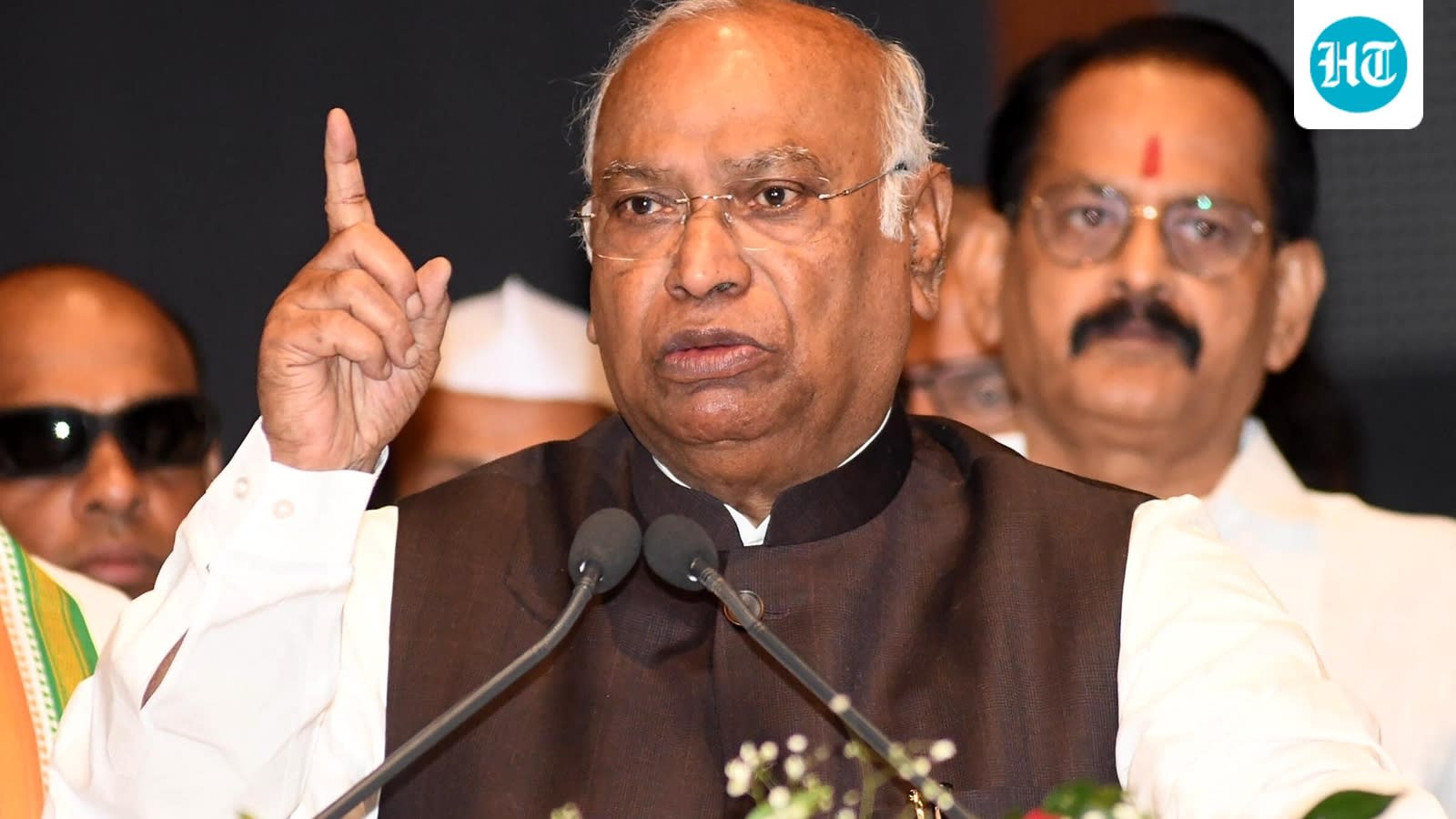
The INDIA bloc is staging a protest in Delhi, including a symbolic 'public impeachment' of CEC Gyanesh Kumar over alleged electoral roll irregularities. Opposition leaders claim 13.2 crore voters were unfairly removed during the Special Intensive Revision (SIR) process.
The INDIA Bloc’s Mobilization Against the Election Commission
The Indian National Developmental Inclusive Alliance (INDIA) bloc has initiated a significant political mobilization in New Delhi, centered on allegations of systemic electoral manipulation. At the heart of this confrontation is a demand for the resignation of Chief Election Commissioner (CEC) Gyanesh Kumar, following claims that the Election Commission has compromised the integrity of the democratic process through the Special Intensive Revision (SIR) of electoral rolls.
The Charges of 'Vote Chori'
The opposition coalition has levelled six specific charges against CEC Gyanesh Kumar, most notably accusing the commission of conspiring with the ruling BJP to facilitate 'vote chori' or electoral theft. Central to their argument is the allegation that 13.2 crore voters were removed from the electoral rolls during the recent SIR process. By framing this as a deliberate disenfranchisement, the INDIA bloc seeks to challenge the legitimacy of current administrative oversight within the Election Commission.
Internal Dissent and Institutional Scrutiny
These protests gained momentum following reports that internal dissent exists within the Election Commission itself. According to accounts citing the Indian Express, fellow election commissioners Sukhbir Singh Sandhu and Vivek Joshi reportedly raised objections on record multiple times over the past ten months regarding decisions related to the SIR process. This revelation has provided the opposition with a narrative anchor, suggesting that the concerns regarding electoral transparency are not merely political posturing but are rooted in administrative friction within the commission.
The 'Public Impeachment' and Symbolic Protest
To amplify their grievances, the INDIA bloc conducted a symbolic 'public impeachment' of CEC Gyanesh Kumar. Originally slated for Friday, the event was delayed to October 31, 2026, due to heavy rainfall in the national capital. The ceremony involved a show of hands to adopt a motion of impeachment, a move intended to delegitimize the CEC’s leadership in the eyes of the public and signal a unified opposition front.
The 'Chalo Dilli' March and Future Implications
Following the symbolic impeachment, the coalition organized the 'Chalo Dilli' march on November 1, 2026, moving from the Minto Road–Connaught Place junction to the historic Ramlila Maidan. Opposition leader Rahul Gandhi has been a vocal proponent of this protest, accusing the Home Minister of attempting to obstruct supporters from reaching the capital. As the rally proceeds, the event serves as a bellwether for the intensity of the opposition's campaign against the current electoral framework.
Conclusion: A Test of Democratic Trust
The ongoing protests at Ramlila Maidan represent a critical juncture in Indian political discourse. By focusing on the mechanics of voter registration and the independence of the CEC, the INDIA bloc is attempting to shift the national conversation toward the technical integrity of elections. Whether this pressure leads to structural reforms or remains a high-profile political demonstration, it underscores a deepening divide regarding the perceived neutrality of constitutional bodies in the current political climate.
Multiple Citing Sources
Verification Required?