India, China To Resume Silk Route Border Trade Via Nathu La Pass From August 1
Source Entity
NDTV News Search Records Found 1000
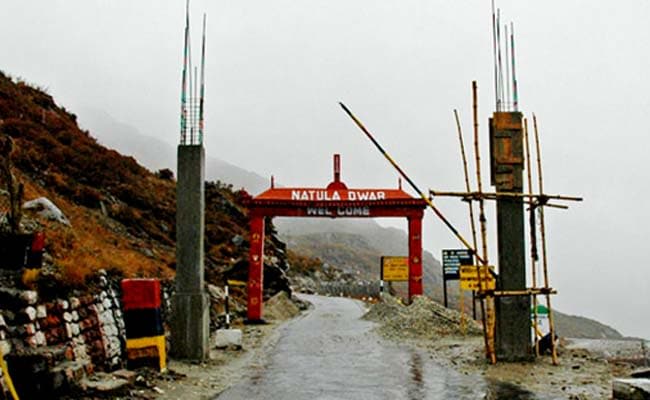
India and China are set to resume border trade via the Nathu La Pass on August 1. This move ends a six-year suspension that had significantly impacted local traders and border communities.
Resumption of Historic Trade Ties at Nathu La
The announcement that India and China will resume border trade via the Nathu La Pass on August 1 marks a significant geopolitical and economic development. After a six-year hiatus, this reopening signals a restoration of one of the world's highest and most historic trading routes, serving as a vital artery for exchange between the Indian state of Sikkim and the Tibet Autonomous Region of China. The resumption is a welcome reprieve for the local border communities that have suffered economically since the suspension of activities.
The Impact of a Six-Year Suspension
For the past six years, the closure of the Nathu La border post has created a vacuum in the local economy. Border trade has historically been the lifeblood of these high-altitude regions, facilitating the exchange of essential goods and maintaining cultural connectivity. The suspension did not merely halt the movement of commodities; it disrupted the livelihoods of countless families who relied on the cross-border commerce permitted under previous bilateral agreements. The return to normalcy is expected to provide immediate financial relief to these vulnerable populations.
Historical Significance of the Silk Route
Nathu La is not just a modern border point; it is a legendary segment of the ancient Silk Route. Historically, this pass served as the primary gateway for trade between India and Tibet, fostering centuries of cultural and economic synergy. By restoring this route, both nations are acknowledging the enduring importance of traditional trade corridors. While the modern geopolitical landscape is complex, the decision to reopen this specific passage reflects a pragmatic approach to regional cooperation and the recognition of historical ties that transcend contemporary diplomatic friction.
Broader Geopolitical Implications
While the primary focus is the resumption of trade, the decision carries broader implications for India-China relations. Trade has long served as a stabilizing factor in bilateral relations, often acting as a bridge even when political tensions arise. By facilitating trade, both governments are creating a mechanism for interaction that benefits local stakeholders and promotes stability along the border. This move could potentially serve as a confidence-building measure, suggesting a willingness to prioritize economic normalization despite larger, unresolved regional disputes.
Future Trends and Economic Outlook
Looking ahead, the success of this initiative will depend on the logistical efficiency of the reopening and the ability of both nations to maintain a peaceful border environment. If the resumption of trade at Nathu La proceeds smoothly, it could serve as a model for revitalizing other border trade points. Regional analysts will be watching closely to see if this economic opening leads to increased cross-border investment or broader cooperation. Ultimately, the August 1 restart is a positive step toward integrating the economies of the border regions and leveraging the historical legacy of the Silk Route for modern prosperity.
Verification Required?