India turns to US for LPG, LNG as Strait of Hormuz crisis hits Gulf supplies
Source Entity
The Indian Express
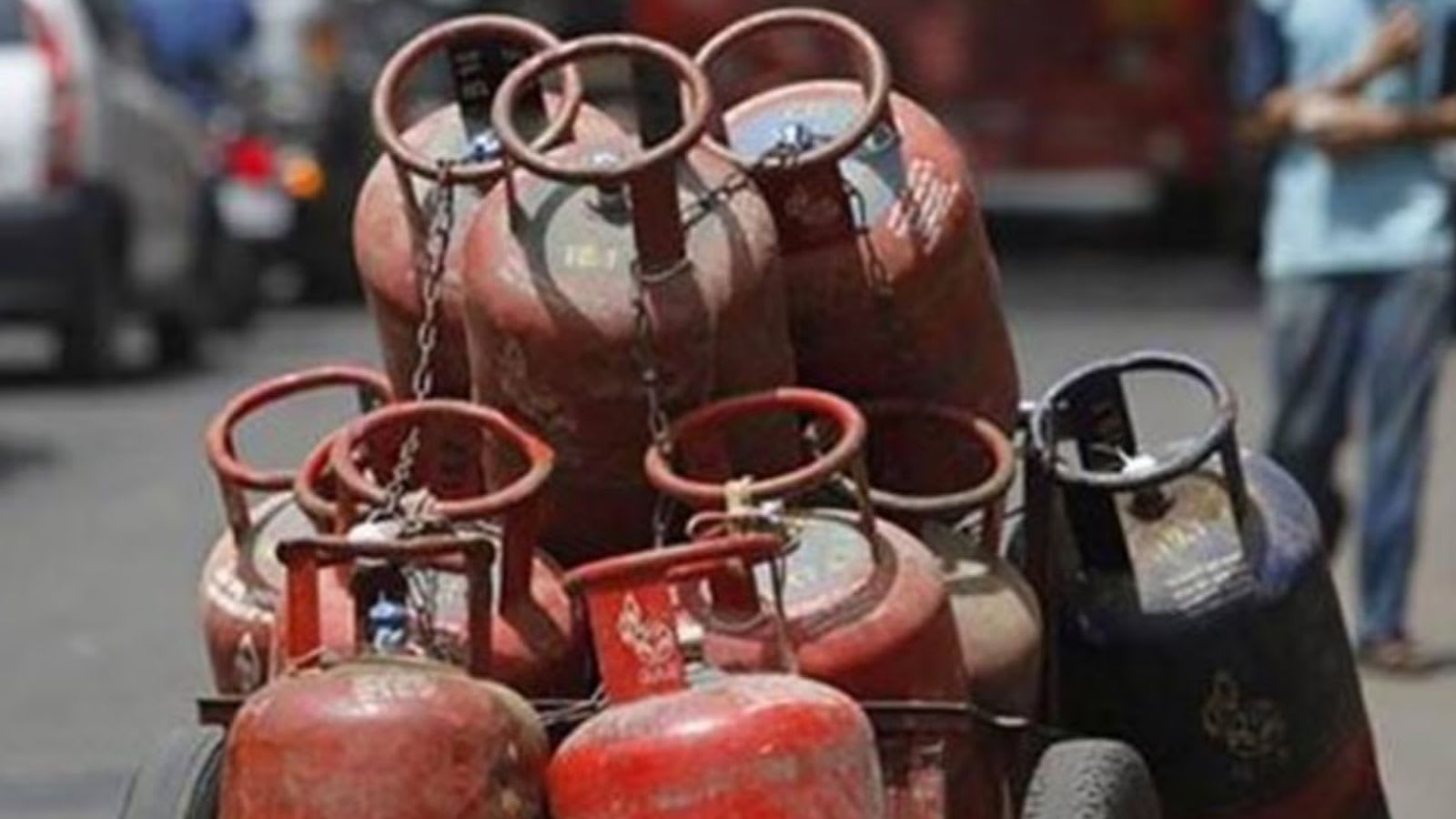
India is pivoting toward the United States for LPG and LNG supplies as conflict in the Strait of Hormuz disrupts traditional Gulf imports. Soaring freight rates and supply chain bottlenecks have forced a strategic shift in India's energy procurement strategy.
Strategic Pivot: India’s Energy Security Amidst Strait of Hormuz Crisis
India is undergoing a significant transformation in its energy procurement strategy as the ongoing conflict in West Asia renders traditional supply routes through the Strait of Hormuz increasingly volatile. Data from Kpler confirms that India has effectively ceased LPG imports from Saudi Arabia during July and August, marking a sharp departure from historical trade patterns. This shift is not merely a preference but a reactive necessity driven by geopolitical instability that has choked off reliable access to Middle Eastern energy corridors.
The Shift to Trans-Atlantic Supplies
As Gulf supplies dwindle, the United States has emerged as the primary beneficiary and critical partner for India’s energy needs. In August alone, the U.S. accounted for over 73% of India's LPG imports, supplying approximately 0.62 million tonnes. This reliance on the U.S. represents a broader diversification effort, as India seeks to insulate its domestic market from the supply shocks originating in the Persian Gulf. Imports from major regional players like the UAE and Qatar have seen marked declines, signaling a long-term recalibration of India’s trade dependencies.
The Economic Toll of Maritime Instability
Beyond the logistical challenges of sourcing fuel, India is facing a severe financial burden due to the conflict. The closure of the Strait of Hormuz has created a perfect storm for the Indian economy: benchmark crude prices have spiked, while shipping and insurance costs have reached unprecedented levels. Freight rates for very large crude carriers (VLCC) on the route from Ras Tanura to India have surged by over 400% since the conflict escalated in late February. This quadrupling of shipping costs has directly inflated the nation's crude import bill, placing immense pressure on India's foreign exchange reserves and domestic fuel pricing mechanisms.
Historical Context and Supply Chain Vulnerability
The Strait of Hormuz has long been the jugular vein of global energy trade, and its disruption highlights a critical vulnerability in India’s energy infrastructure. For decades, India’s proximity to the Gulf provided a cost-effective logistics advantage. However, the current crisis demonstrates how quickly regional geopolitical tensions can dismantle these logistical efficiencies. By being forced to look toward the U.S., India is essentially trading lower freight costs for greater supply reliability, a trade-off that will likely define its energy policy for the foreseeable future.
Future Trends and Resilience
The current situation suggests a lasting change in how India manages its energy security. Moving forward, we can expect India to continue diversifying its import sources to mitigate the risk of over-reliance on any single region. Furthermore, the volatility in freight rates and insurance premiums will likely accelerate India's investment in strategic petroleum reserves and potentially influence its transition toward alternative energy sources to reduce total dependence on imported fossil fuels. The era of relying exclusively on the Gulf for energy security is clearly being tested, and India is responding with a rapid, decisive pivot toward global trade partners like the United States.