Population census begins Jan 25, barring snow-bound regions
Source Entity
Latest News: Todays Latest News Headlines from India & World | Hindustan Times
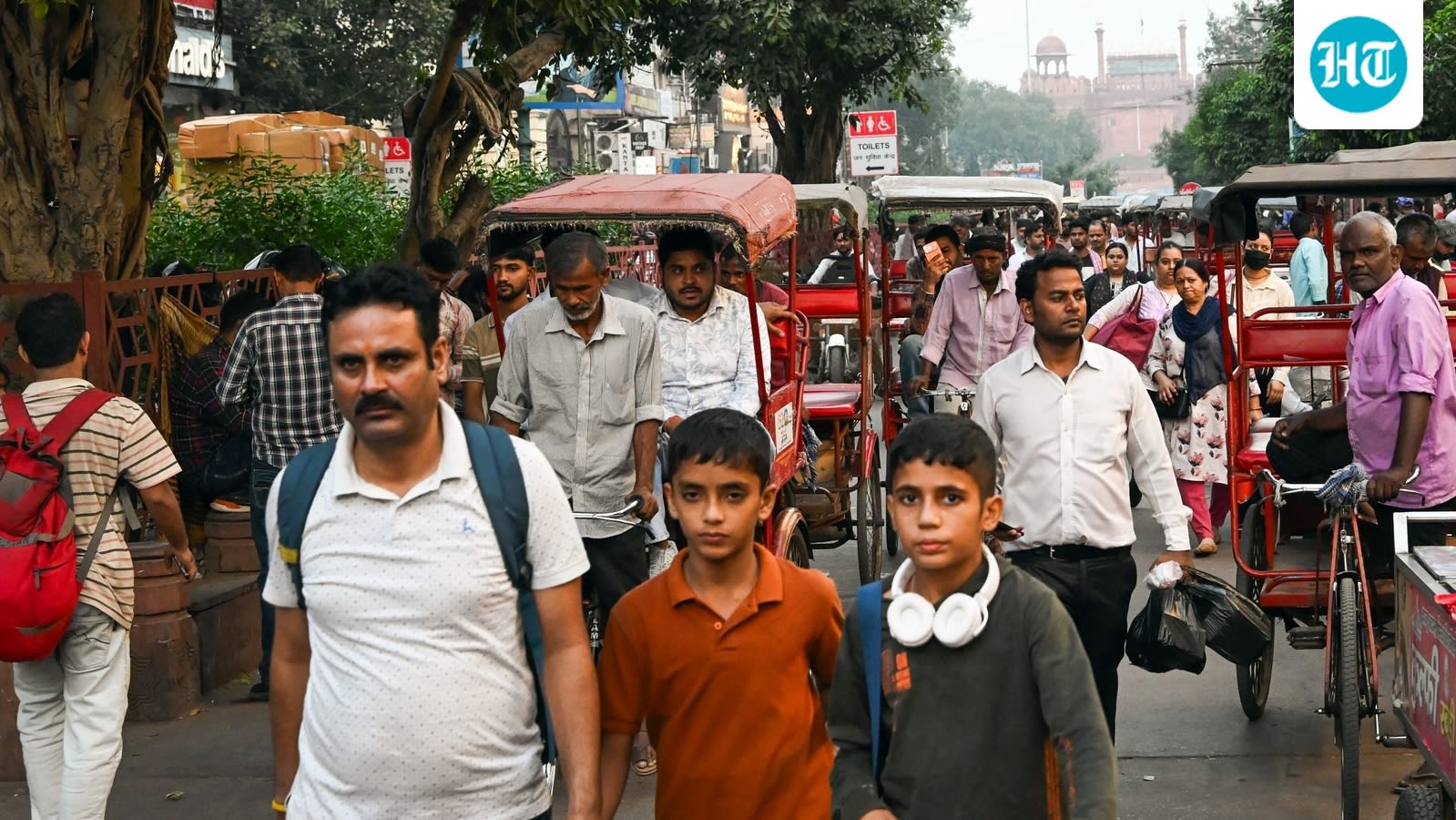
India's 2027 population census is scheduled to take place from January 25 to February 28, 2027. The exercise will exclude regions impacted by upcoming assembly elections and areas currently inaccessible due to winter snow conditions.
India Initiates 2027 Census: A Strategic Roadmap
The Government of India has officially announced that the 2027 population census will be conducted between January 25 and February 28, 2027. This massive administrative undertaking, overseen by the Registrar General of India and Census Commissioner Mritunjay Kumar Narayan, serves as the cornerstone for national policy planning, resource allocation, and demographic mapping. By setting the reference date at 00:00 hours on March 1, 2027, the government establishes a definitive temporal anchor to ensure statistical consistency across the nation.
Navigating Logistical and Political Constraints
The decision to exclude specific regions from the primary enumeration window reflects the complexities of governing a nation as vast and diverse as India. The exclusion of states scheduled for assembly elections—specifically Manipur, Goa, Uttar Pradesh, Punjab, and Uttarakhand—is a standard administrative safeguard. By avoiding these areas during the heat of electoral campaigns, the government ensures that the census machinery is not distracted by political activities, and that enumerators can focus entirely on the accuracy of the data collection process.
Addressing Geographic and Climate Challenges
Beyond political logistics, the government has wisely accounted for the harsh realities of India’s topography. The exclusion of Ladakh, as well as specific snow-bound, non-synchronous areas within Himachal Pradesh and Jammu and Kashmir, highlights the practical necessity of timing in census operations. In these high-altitude regions, winter conditions render vast swathes of territory inaccessible and pose significant safety risks to personnel. Postponing enumeration in these zones ensures that the data collected is comprehensive rather than compromised by environmental limitations.
The Importance of the Reference Date
Establishing the reference date at midnight on March 1, 2027, is a critical technical requirement. This 'snapshot' approach allows the census to provide a clear, static view of the population at a single moment in time, effectively neutralizing the noise created by constant migration, births, and deaths. This methodology is essential for maintaining the integrity of the data, which will eventually inform everything from parliamentary delimitation to the distribution of public welfare subsidies.
Future Implications and Data Utility
The 2027 Census represents more than just a headcount; it is an essential tool for evidence-based governance. Accurate demographic data is vital for assessing the effectiveness of previous development schemes and identifying emerging trends in urbanization, literacy, and employment. While the current exclusion of certain states and regions creates a multi-phase approach, the overall commitment to conducting this census underscores the administration's focus on maintaining updated national records.
Conclusion
In conclusion, the 2027 Census is a carefully calibrated operation designed to balance administrative efficiency with the practical challenges of India's electoral cycle and diverse climate. By systematically excluding poll-bound and snow-bound regions, the government aims to ensure high-quality data collection that will serve as the foundation for the nation's socio-economic planning for the coming decade. As the country prepares for the January start date, the success of this exercise will depend on the logistical coordination of the Census Commissioner’s office and the cooperation of the public.
Verification Required?