After Jantar Mantar protest ends, CJP says no protester will be left alone
Source Entity
The Indian Express
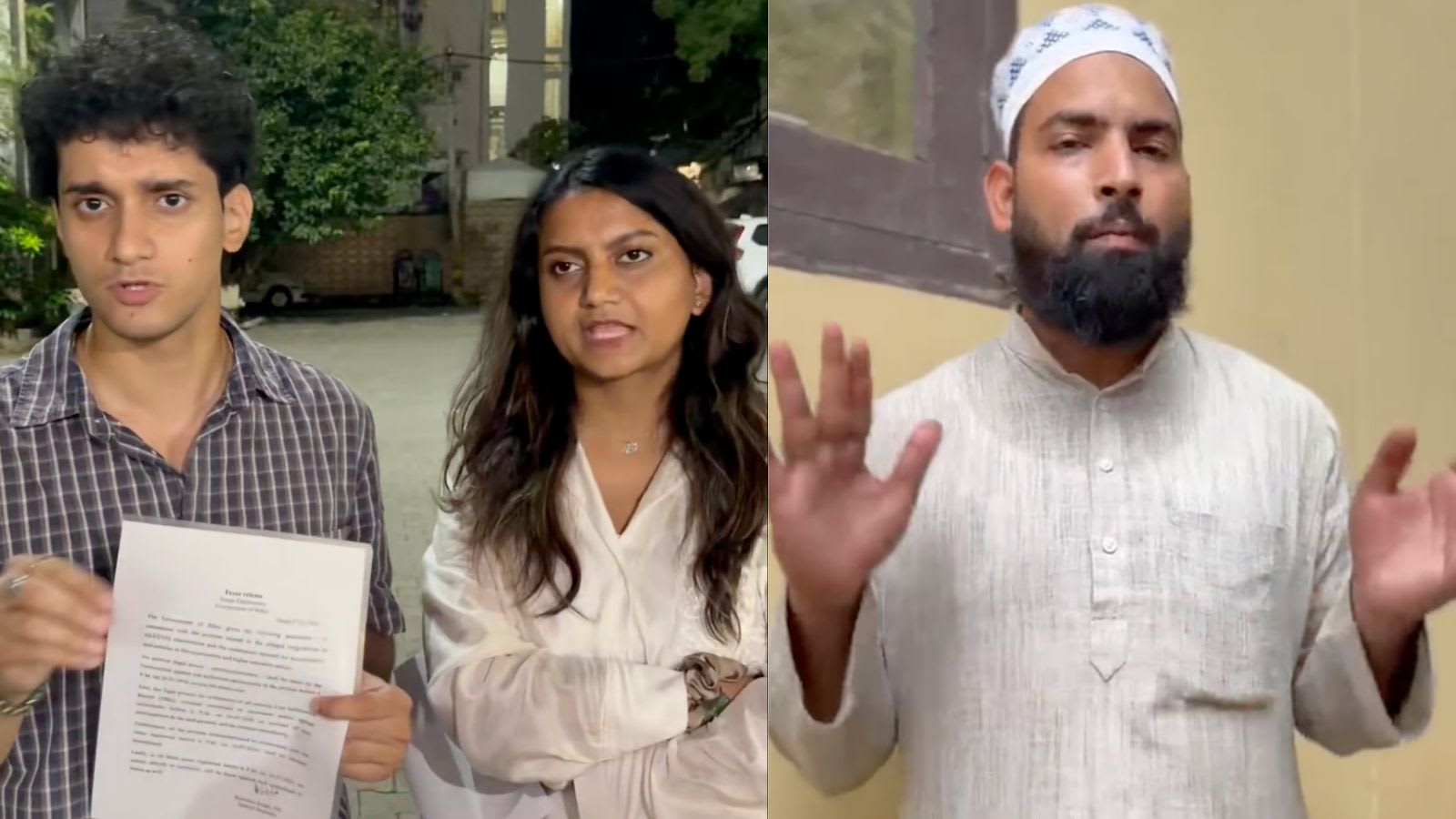
The Cockroach Janta Party and the Union government reached an agreement to drop cases against student protesters following late-night talks. Meanwhile, a police constable in Siwan, Bihar, was suspended for unauthorized firing of an AK-47 during related protests.
Political Tensions and Protest Agreements
The recent developments involving the Cockroach Janta Party (CJP) and the Union government mark a significant shift in the handling of student protests in India. Following a marathon late-night meeting that concluded in the early hours of Monday, CJP leaders Saurav Das and Ashutosh Ranka, supported by senior advocate Kapil Sibal, confirmed that the government has provided assurances regarding the protection of protesters. This move follows widespread allegations that FIRs filed against students in various states remained active despite previous verbal agreements.
The Role of Negotiated Settlements
The intervention of legal counsel like Kapil Sibal underscores the gravity of the situation, as the primary point of contention was the failure to withdraw FIRs. The government’s decision to share official notifications from Bihar and Assam acts as a formal guarantee. These documents promise the withdrawal of cases, the immediate release of detainees, and a cessation of further punitive actions against the student demonstrators. This development is crucial for de-escalating tensions that have simmered across multiple states in recent weeks.
Accountability in Law Enforcement
Parallel to the national political discourse, the incident in Siwan, Bihar, highlights the volatility on the ground. The suspension of police constable Abhishek Kumar, who fired an AK-47 into the air during the NEET-related protests, serves as a direct response to public and parliamentary outrage. District Magistrate Vivek Ranjan Maitrey and SP Puran Kumar Jha confirmed that the firing was entirely unauthorized, emphasizing that the administration does not condone such excessive use of force during civil unrest.
Institutional Response to Police Excesses
The fact that three individuals sustained bullet injuries at locations removed from the primary firing site highlights the potential for collateral damage when law enforcement personnel operate without strict adherence to established protocols. By initiating departmental proceedings against the constable, the Bihar administration is attempting to signal a commitment to accountability. This administrative action is essential to restore public trust in the wake of allegations regarding police excesses during the recent wave of student activism.
Future Implications and Policy Trends
Looking forward, the dual tracks of government negotiations and disciplinary action against rogue elements suggest a dual-pronged strategy to manage civil unrest. By addressing the protesters' legal grievances while simultaneously curbing police misconduct, the state aims to find a balance between maintaining public order and respecting the right to protest. However, the efficacy of these measures will depend on the consistent implementation of the promised case withdrawals and the transparency of the ongoing investigations into the Siwan incident.
Conclusion
In summary, the events of July 28, 2026, represent a critical juncture in the ongoing dialogue between the government and student groups. While the CJP has secured significant concessions for the protesters, the shadow of police violence in Siwan remains a point of concern. The coming weeks will be vital in observing whether the government honors its commitment to dropping charges and whether the judicial and administrative systems can effectively address the lapses in police conduct that led to the injuries in Bihar.
Multiple Citing Sources