India’s message to US offers cues
Source Entity
Latest News: Todays Latest News Headlines from India & World | Hindustan Times
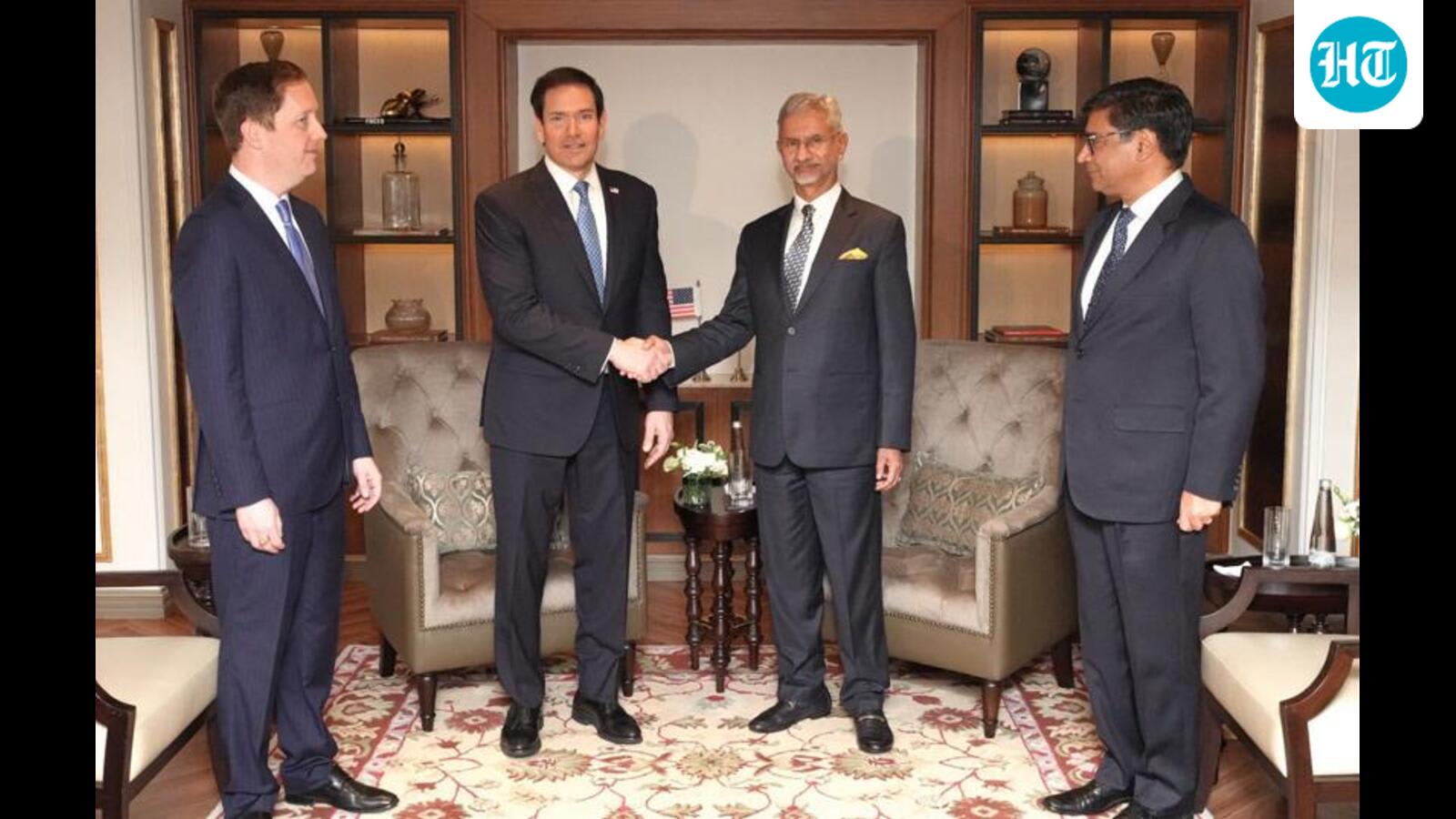
Defense Minister Rajnath Singh expressed concerns to US counterpart Pete Hegseth regarding ongoing American military support for Pakistan. The meeting highlights a critical balancing act in US-India relations as both nations mark one year of their strategic defense partnership.
Strategic Friction: India’s Diplomatic Push on Pakistan
During the recent ASEAN defence ministers’ meeting in Cebu, Philippines, Indian Defence Minister Rajnath Singh engaged in a critical bilateral discussion with his US counterpart, Pete Hegseth. The primary focus of this dialogue was India’s long-standing apprehension regarding continued American military support for Pakistan. While such diplomatic exchanges might appear routine in the context of international relations, this specific interaction carries profound weight due to the current geopolitical climate and the evolving nature of the US-India strategic partnership.
The Timing of the Dialogue
The significance of this meeting is underscored by the timing, which coincides with the first anniversary of the Framework for the US-India Major Defence Partnership. This 10-year policy roadmap serves as the bedrock of bilateral security cooperation, aiming to elevate the two nations to the status of primary defense partners. By raising the issue of Pakistan during this milestone year, India is signaling that the depth of the US-India relationship is inextricably linked to how Washington manages its military engagement with Islamabad.
Interoperability vs. Strategic Interests
India and the US have recently concluded the joint exercise 'Yudh Abhyas,' a series of drills designed to enhance interoperability and tactical cohesion between the two militaries. This increased cooperation demonstrates a shared desire to address regional security challenges. However, India’s core security concerns remain localized, rooted in its immediate neighborhood. When the US provides military upgrades to Pakistan, it creates a strategic paradox that complicates India’s defense planning, effectively forcing New Delhi to weigh its cooperation with Washington against the potential security implications of American hardware being deployed in its vicinity.
The Diplomatic Balancing Act
The core of India’s message is a clear diplomatic boundary: Washington cannot reasonably expect deeper, more integrated military cooperation from New Delhi while simultaneously upgrading the capabilities of the military force that India views as its primary regional adversary. This tension reflects a broader shift in Indian foreign policy, which has moved toward a more assertive stance on protecting its strategic interests rather than silently accommodating the conflicting foreign policy objectives of its partners.
Future Implications for US-India Ties
Looking ahead, the trajectory of the US-India defense relationship will likely be defined by how effectively these two nations can reconcile their divergent views on South Asian security. The success of the 10-year framework depends on the US recognizing that Indian security concerns are not secondary to broader global alliances but are central to the stability of the Indo-Pacific region. If the US continues to prioritize legacy military relationships with Pakistan, it may find that its aspirations for a comprehensive, high-level defense partnership with India face persistent, structural friction.
Conclusion
Ultimately, Rajnath Singh’s intervention in Cebu serves as a reminder that strategic partnerships are not immune to the realities of regional security architectures. As India continues to integrate its defense systems with the US, it will continue to press for greater alignment on Pakistan. The future of this relationship will hinge on whether Washington can harmonize its global strategic goals with the specific, non-negotiable security requirements of its most significant democratic partner in Asia.
Verification Required?