As winter curbs kick in, Congress rally-goers on Nov 1 may have to park vehicles at Delhi borders
Source Entity
Alok Singh
The VHP has accused the Congress of targeting Hindu festivals and the economy by refusing to postpone a November 1 rally in Delhi. Traders warn of a Rs 10,000 crore loss, while Rahul Gandhi claims the administration is responsible for the disruption.
Tensions Escalate Over Delhi's November 1 Rally
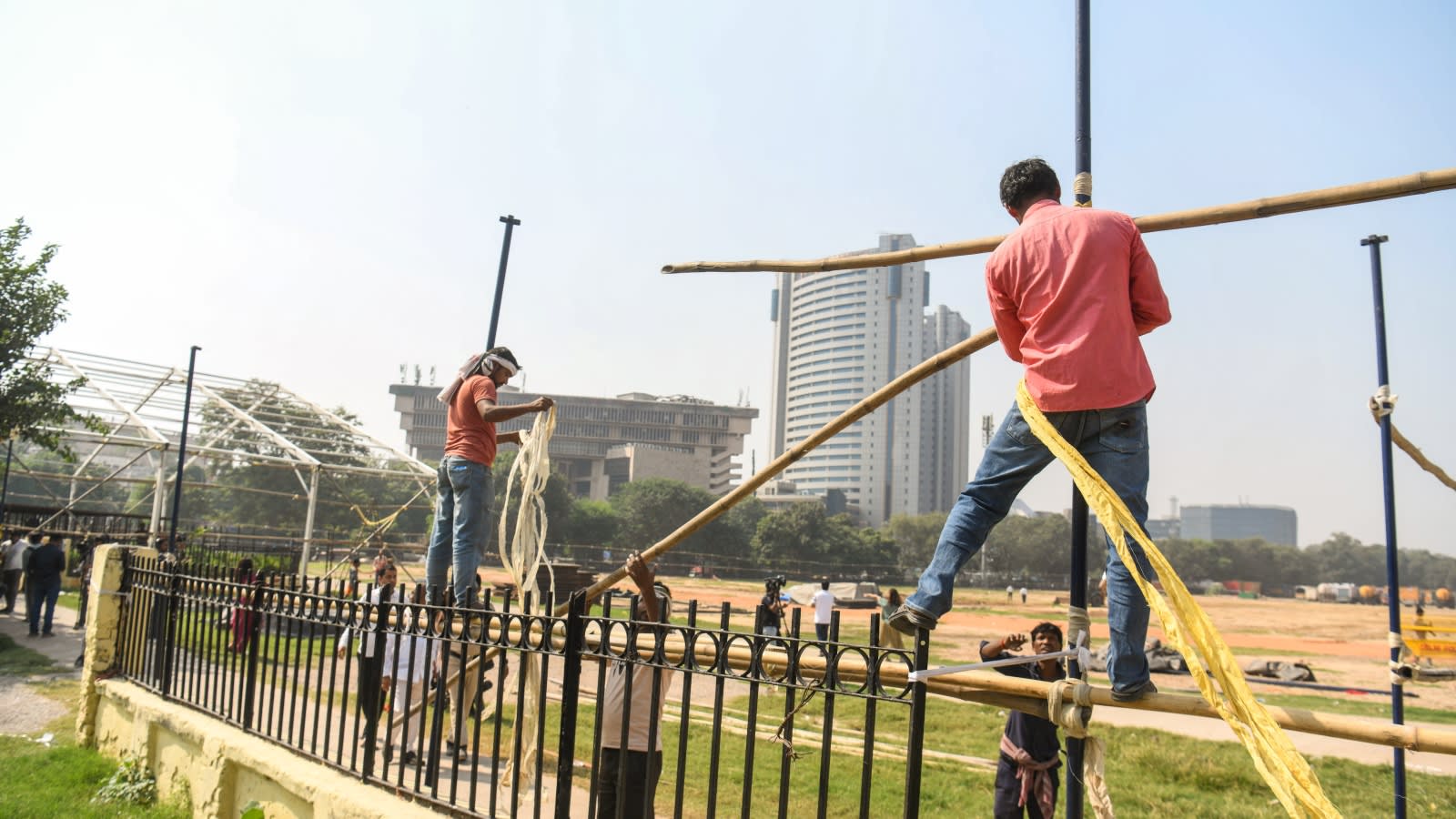
The political landscape in New Delhi has become increasingly volatile as the Congress party’s proposed rally at Ramlila Maidan, scheduled for November 1, 2026, faces intense scrutiny. The Vishva Hindu Parishad (VHP) has leveled serious allegations against the Congress and the broader Opposition, claiming a deliberate conspiracy to disrupt Hindu festivals and destabilize the national economy. Central to this controversy is the timing of the event, which coincides with the peak festive shopping season, specifically overlapping with Ahoi Ashtami.
The Economic Impact of Political Demonstrations
The Chamber of Trade and Industry (CTI) has sounded a dire alarm, projecting potential losses of up to Rs 10,000 crore. With 21 major wholesale and retail markets at risk, the logistical implications are significant. Estimates suggest that the rally could involve 10 lakh people and upwards of 20,000 vehicles, creating a bottleneck that threatens to paralyze commerce in the capital. Traders have cited previous October protests as a precursor to these economic hardships, noting that recent disruptions have already cost the business community approximately Rs 3,000 crore.
Clash of Narratives: VHP vs. Congress
VHP national spokesperson Vinod Bansal has framed the issue as an ideological conflict, asserting that the refusal of Congress leaders to postpone the rally demonstrates a disregard for Hindu sentiments. Bansal explicitly stated that the party’s rejection of the traders' appeal reflects a bias, suggesting that such a request might have been accommodated had it originated from different cultural or political groups. This rhetoric positions the rally not merely as a political gathering, but as a test of the Opposition's sensitivity toward religious observances.
Rahul Gandhi’s Response and Counter-Allegations
In response to the mounting pressure, Congress leader Rahul Gandhi has adopted a conciliatory yet defensive posture. Utilizing the message, "We hear you," Gandhi has sought to acknowledge the plight of the traders while redirecting the blame toward the current administration. He contends that the financial strain on the business community is a direct result of government-imposed restrictions, such as the suspension of metro services and the strategic blocking of roads during political demonstrations.
Broader Implications for Delhi's Festive Season
The intersection of high-stakes political mobilization and the peak retail period highlights the fragility of Delhi's urban infrastructure. As the city prepares for Diwali, the competing interests of political expression and economic survival create a tense atmosphere. The standoff underscores a recurring conflict in Indian urban politics: the right to protest versus the right to conduct business in a densely populated, logistics-sensitive environment.
Outlook and Conclusion
Looking forward, this situation represents a critical juncture for both the Congress party's public image and the economic stability of Delhi’s markets. The refusal to shift the rally date ensures that the confrontation between political activists, the business community, and religious advocacy groups will likely continue. The resolution of this dispute will depend on whether the administration and the organizers can find a middle ground that mitigates the projected Rs 10,000 crore loss while preserving the democratic right to assembly.
Multiple Citing Sources