Trump says US voter fraud is 'rampant' - evidence suggests it is extremely rare
Source Entity
BBC News
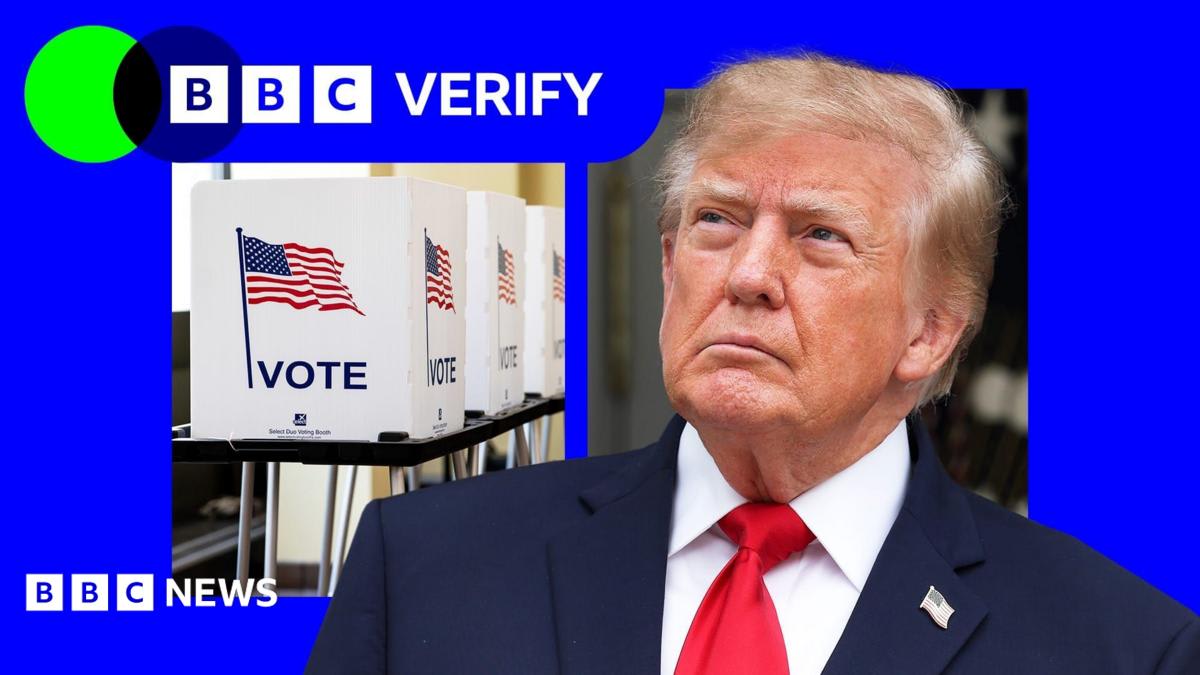
Former President Barack Obama and incumbent Donald Trump are actively campaigning to boost voter turnout in critical midterm elections. Meanwhile, concerns persist over the president's unsubstantiated claims regarding the prevalence of voter fraud in postal ballots.
The Battle for Midterm Influence: Trump vs. Obama
As the American political landscape intensifies during the midterm election cycle, the presence of former President Barack Obama and President Donald Trump on the campaign trail highlights the enduring power of political figureheads. Both parties are leveraging these high-profile leaders to galvanize their respective bases, aiming to drive turnout in contests that will determine the legislative balance of power in Washington. The involvement of these two figures underscores the deep polarization within the electorate and the reliance on 'star power' to motivate voters.
The Mechanics of Voter Turnout
The strategy of utilizing former and current presidents to stump for candidates is a time-tested maneuver in American politics. By visiting key districts, Obama and Trump act as lightning rods for enthusiasm, helping to define the stakes of the election for voters who might otherwise remain disengaged. Reports from the campaign trail indicate that attendees at these rallies view these figures as the ultimate arbiters of party ideology, signaling that the midterms are as much a referendum on presidential legacy as they are on local policy issues.
Contesting the Integrity of the Ballot
A significant point of contention throughout this cycle has been the discourse surrounding election security. President Trump has frequently characterized voter fraud as 'rampant,' particularly concerning postal ballots. However, independent verification and historical data suggest that such incidents are extremely rare. This tension creates a complex environment for voters, who must navigate conflicting narratives regarding the sanctity of the democratic process versus the convenience of modern voting methods.
The Paradox of Postal Voting
The rhetoric regarding mail-in voting has been notably inconsistent. While President Trump has warned against the potential for fraud, he has also encouraged supporters to utilize the postal system in specific instances and has personally participated in mail-in voting himself. This duality highlights a strategic dilemma for the Republican party: balancing the need to secure votes via mail-in ballots while simultaneously maintaining a narrative of skepticism toward the security of those same systems.
Legislative Hurdles and State Sovereignty
Efforts to restrict mail-in voting have faced significant resistance, particularly as the majority of U.S. states have moved toward 'no-excuse' absentee voting. President Trump’s attempts to pass federal legislation limiting mail-in access to specific groups—such as the ill, disabled, or military personnel—have largely been unsuccessful. Furthermore, executive efforts to mandate that the U.S. Postal Service only deliver ballots to specific government-vetted lists have met with institutional and legal scrutiny, reinforcing the role of states in managing their own election procedures.
Conclusion: The Future of Election Discourse
Looking ahead, the debate over election integrity and the role of 'star power' in mobilizing voters is likely to persist well beyond the midterm cycle. As seen in the 2024 election, where approximately 48 million postal ballots were cast, the infrastructure for remote voting is deeply embedded in the American electoral system. The ongoing friction between executive rhetoric and established state practices will remain a defining feature of the American political discourse, influencing how future elections are administered and perceived by the electorate.